Motor Starters
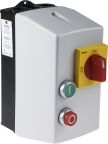
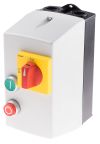
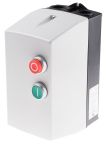
Motor starters are devices that are widely used in the Philippines to control and protect electric motors. They provide the necessary means to start, stop, and regulate the operation of electric motors, ensuring their safe and efficient functioning. Motor starter controllers typically consist of several components working together and are available in various types including soft starters, single phase and 3-phase starters, direct-on-line (DOL) starters, reversing starters, and star-delta starters.
How Motor Starters Work
Motor starters control the starting and stopping of electric motors by managing the flow of electrical current. When you press the start button or send a remote signal, the motor starter controller energizes a contactor, a heavy-duty switch, that connects the motor to the power supply. This allows electricity to flow and the motor to begin running.
Motor starter controllers also protect motors from damage by monitoring electrical current and stopping the motor if it detects overloads or faults. Key functions include:
- Contactor Operation: Opens and closes the power circuit to start or stop the motor.
- Controlled Startup: Limits inrush current and mechanical stress depending on starter type.
- Overload Protection: Detects excessive current and disconnects power to prevent damage.
- Reversing Capability: Allows motors to run forward or backward safely (in reversing starters).
- Integration: Can be connected to automated control systems for remote or programmed operation.
This coordinated control ensures motors start safely, run efficiently, and are protected from electrical faults, making motor starters essential for reliable industrial and commercial motor operation.
Benefits of Using Motor Starters
Motor starters are indispensable components in electrical systems, playing a crucial role in the efficient, safe, and controlled operation of electric motors. They go beyond simple on/off switching, providing essential protective and control functions that extend motor lifespan and enhance operational reliability.
Key benefits of utilizing a motor starter controller include:
- Safe Motor Startup: Motor starters manage the initial surge of current that occurs when a motor begins operation, preventing electrical and mechanical damage to both the motor and the power system.
- Reduced Wear and Power Surges: By regulating the starting current and torque, motor starters minimize mechanical stress on the motor and connected machinery, reducing wear and tear. This controlled acceleration also mitigates power surges, which can impact grid stability and other connected equipment, unlike a direct connection which would cause a massive inrush current.
- Integration with Control Systems: Motor starters are designed to be easily integrated into larger control systems, allowing for remote starting, automated sequences, and advanced motor management.
- Protection from Overload or Voltage Dips: These devices incorporate built-in protection mechanisms against electrical faults such as overcurrents, voltage drops, and phase loss, safeguarding equipment and maintaining operational continuity.
Types of Motor Starters
Motor starters are categorized based on their method of controlling the motor's startup, offering varying levels of current reduction, torque control, and functionality. The selection of a specific motor starter controller depends heavily on the motor's size, application, and power requirements. Here are the major types of motor starters:
Direct-On-Line (DOL) Starter
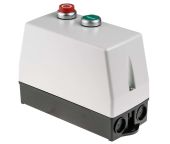
This is the most basic and common type, providing a full-voltage startup directly to the motor. A direct online starter is typically used for small to medium-sized motors where the high inrush current doesn't significantly impact the electrical system or mechanical load.
Star-Delta Starter
Designed for larger motors, this starter reduces the initial inrush current by connecting the motor windings in a star configuration during startup, then switching to a delta configuration for normal running. This method is effective for mitigating high startup currents in a 3-phase motor starter.
Soft Starter
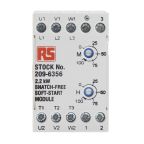
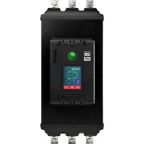
Utilizing solid-state electronics, a soft starter provides a gradual and smooth increase in voltage and current to the motor, minimizing mechanical stress and electrical surges during acceleration. This results in controlled startup and shutdown, ideal for sensitive applications or high-inertia loads.
Reversing Starter
This type of motor starter enables both forward and reverse rotation of a motor. It typically incorporates two contactors and an interlock system to prevent simultaneous engagement of both directions, commonly found in applications requiring bidirectional movement.
Industrial Applications of Motor Starters
Motor starters in the Philippines are fundamental components across nearly every industrial sector, ensuring the efficient, safe, and controlled operation of machinery driven by electric motors.
Common industrial applications for motor starters include:
- Industrial Equipment: In manufacturing and processing plants, motor starters are essential for providing controlled startup and robust protection for a wide array of machinery. This includes critical equipment such as compressors, conveyors, pumps, fans, and mixers. A direct online starter (DOL starter) is commonly used for simpler applications, while more advanced motor starters manage larger or sensitive loads.
- Agriculture & Construction: These sectors rely on durable motor starters for heavy-duty equipment operating in challenging outdoor environments. Applications range from irrigation pumps and grain mixers to drills, cranes, and excavators. A 3-phase electric motor starter is frequently employed for the powerful motors found in larger agricultural machinery and construction vehicles, ensuring reliable and protected operation.
- Marine: Motor starters are critical for propulsion and auxiliary systems in marine vessels, managing the massive motors that power ships and boats.
- Automotive: In automotive manufacturing, motor starter controllers are responsible for the drive of various components on assembly lines.
- HVAC Systems: In commercial and industrial buildings, motor starters manage the large motors found in air handling units, chillers, and cooling towers. They ensure smooth startup, protect against overloads, and integrate with building management systems for energy-efficient operation.
- Water Treatment and Utilities: Motor starters are indispensable for pumps, agitators, and blowers in water treatment plants, wastewater facilities, and power generation sites. They provide the necessary control and protection for motors operating continuously in demanding, often corrosive, environments.
- Material Handling: In logistics and warehousing, motor starters are vital for systems like conveyor belts, automated storage and retrieval systems (AS/RS), and hoists, ensuring precise and reliable movement of goods throughout facilities.
How to Choose the Right Motor Starter
Selecting the appropriate motor starter is a critical decision that impacts the longevity of your motor, the efficiency of your system, and overall operational safety. A proper choice ensures controlled startup, protection against electrical faults, and seamless integration with your specific application.
- Motor Type (Single-Phase vs. 3-Phase): The fundamental characteristic of your motor dictates the starter type. A single-phase motor starter is suitable for simple motors, while a 3-phase electric motor starter is essential for more complex machinery. This basic distinction directly influences the motor starter controller's design and wiring.
- Startup Torque and Current Requirements: For smaller motors where a sudden current draw is acceptable, a direct online starter (DOL) might suffice. However, for larger motors or those driving sensitive loads, high inrush currents must be mitigated. Solutions like a star-delta starter or a soft starter are chosen to reduce initial current and torque, protecting both the motor and the power supply.
- Application Scale and Environment: Consider the size and complexity of your application, as well as the operating environment. Harsh conditions might require more robust enclosures or specialized motor starters with higher ingress protection (IP) ratings. The scale of the project can also influence the overall motor starter price versus more advanced options.
- Desired Control (Manual vs. Automated): Determine the level of control needed for your motor. Basic applications might only require a manual DOL starter, while automated industrial processes will require a motor starter controller that can integrate with PLCs, sensors, or remote control systems. This capability is key for modern automated operations.
Buy Motor Starters in the Philippines
Looking to buy motor starters in the Philippines at a great price? RS is your leading source for high-quality motor starter controller and power control solutions. We stock an extensive range of motor starters from industry leaders such as Siemens, Schneider Electric, Eaton, and many more.
Our comprehensive inventory covers all major types, including cost-effective direct online starter (DOL starter) units, efficient star-delta starters, and advanced soft starters for every industrial need. Besides motor starters, we also offer a wide array of electric motors such as DC motors, inverter drives and servo motors.
For more details on our streamlined ordering process, reliable delivery services, and associated fees, please refer to our dedicated delivery page.
Popular Searches
Related links
- Motor Protection
- Siemens 3RW55 DOL Starter 480V ac 3 Phase, IP20
- Schneider Electric TeSys Motor Starter 500V 3 Phase
- Eaton MSC-DE Motor Starter 415V 3 Phase, IP20
- Phoenix Contact Contactron Motor Starter 500V ac 3 Phase, IP20
- Schneider Electric TeSys Motor Starter 660V 3 Phase, IP65
- Schneider Electric TeSys Motor Starter 440V 3 Phase, IP65
- Phoenix Contact Contactron Motor Starter 550V ac 3 Phase, IP20