Rocker Switches
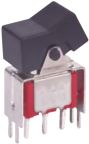
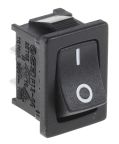
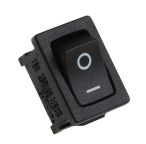
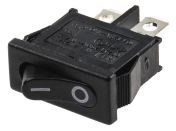
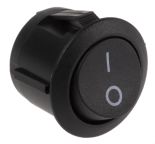
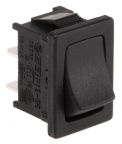
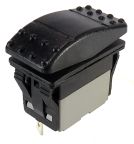
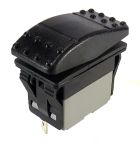
A rocker switch is a widely used electrical component that provides a simple on/off control for electrical circuits. It features a rectangular or square housing with a hinged actuator, known as the “rocker”, that pivots around a central axis. Pressing one side of the rocker completes the circuit (turns it on), while pressing the opposite side breaks the circuit (turns it off).
These types of switches are commonly found in household appliances, industrial equipment, automotive systems, and consumer electronics, valued for their ease of use and compact form factor. Available in a variety of configurations, rocker switches cater to both basic and complex switching needs.
How Does a Rocker Switch Work?
Operating a rocker switch is simple and intuitive; typically, only light pressure on one end is needed to shift it between positions. In many cases, a rocker switch is even easier to use than a toggle switch, as they require minimal force or fine motor control.
The number of switch positions and build quality can influence performance. Some rocker switches may occasionally stick between positions more than toggle types. To counteract this, many models are spring-loaded, allowing the switch to automatically return to a neutral position when released. This feature is commonly found in applications like electric window or seat controls in vehicles.
Thanks to their straightforward design, rocker switches are easily enhanced with extra features such as indicator lighting. Even budget-friendly models often include an on/off LED, providing a clear visual cue that shows whether power is flowing through the circuit (on), or the switch is currently open (off).
Rocker Switch Types
Rocker switches can be categorized based on two key factors:
- Switch operation method (momentary, maintained, illuminated, etc.)
- Electrical contact configuration (pole and throw arrangement)
Both aspects determine how and where the switch can be used effectively.
Rocker Switch Types Based on Switch Operation
The most common rocker switch operation types you can find in RS Philippines include:
- On-Off (Maintained) Rocker Switch: An on-off rocker switch allows the user to toggle power between two states: on and off. These switches are typically used to control power delivery to one or more circuits at the same time.
- Momentary Rocker Switch: Unlike standard rocker switches that latch into position, a momentary rocker switch only remains active while being pressed. It automatically returns to its default state once released, thanks to a built-in spring mechanism. Also referred to as push switches or non-latching switches, they are available in normally off or normally on variants, though normally off is more common.
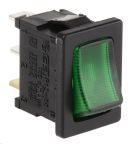
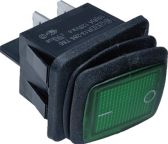
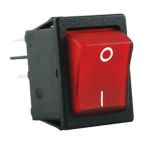
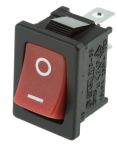
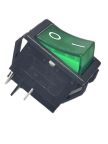
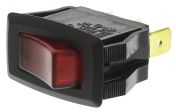
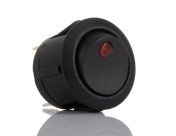
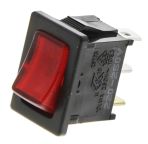
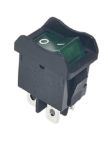
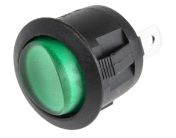
- Illuminated Rocker Switch: Many rocker switches include built-in illumination, using an LED or neon indicator, to visually display whether power is on or off. These illuminated rocker switches are usually mounted on devices like power strips, surge protectors, and control panels, where clear power status is essential. You’ll also find them widely used in vehicle dashboards, instrument clusters, wall-mounted switches, and appliance breakers, offering both functionality and user convenience.
- Changeover (Transfer) Rocker Switch: A changeover switch diverts voltage from one circuit to another. It’s commonly used in power distribution setups to shift load between primary power sources (like the mains) and secondary sources (such as backup generators). These can be operated manually or automatically, and some versions also function as dual circuit breakers, switching both circuits simultaneously but in opposite directions.
Rocker Switch Types Based on Contact Configuration
Rocker switches are also classified by their pole (number of circuits controlled) and throw (number of output paths per pole). These configurations determine how many circuits can be switched and how they're connected.
- Single Pole Single Throw (SPST) Rocker Switch: The SPST rocker switch controls a single circuit with a simple on/off function. Pressing one side completes the circuit (on), and pressing the opposite side breaks it (off). It's the most basic type, commonly used in straightforward applications like lights or small appliances.
- Single Pole Double Throw (SPDT) Rocker Switch: An SPDT rocker switch controls a single input that can be connected to one of two outputs. It allows switching between two different positions or functions, such as toggling between two power sources. This type is ideal for applications where a selection between two outputs is needed.
- Double Pole Single Throw (DPST) Rocker Switch: A DPST rocker switch operates two independent circuits simultaneously with a single toggle action. Both circuits are either turned on or off together, making this switch suitable for controlling dual loads or devices that need to be powered at the same time.
- Double Pole Double Throw (DPDT) Rocker Switch: The DPDT rocker switch manages two separate input circuits, each capable of switching between two output paths. It functions like two SPDT switches operated by the same actuator. DPDT switches are commonly used in applications requiring complex routing or reversing polarity, such as motor control.
Common Applications of Rocker Switches
Rocker switches are widely used across multiple sectors due to their simplicity and reliability. Common applications include:
- Household Appliances: Frequently found in devices like lamps, fans, coffee makers, and toasters, where they provide basic on/off control.
- Electrical Equipment: Used in a range of devices such as power tools, computer accessories, and audio systems to manage power flow.
- Automotive: Installed in vehicles to operate features like headlights, windshield wipers, and power windows.
- Industrial Machinery: Employed in industrial environments to control equipment operation and machine functions.
- Marine Applications: Commonly used on boats and ships to manage various onboard electrical systems.
- HVAC Systems: Utilized to switch fans, heaters, and air conditioning units on and off in heating, ventilation, and air conditioning systems.
- Electrical Panels: Sometimes integrated into control panels to regulate power distribution throughout a building or facility.
Safety & Maintenance
Preventive maintenance is key to ensuring the long-term reliability and consistent performance of rocker switches. The following practices can help extend their lifespan and maintain optimal functionality:
- Inspect Regularly: Check for visible signs of wear, damage, or loose components.
- Keep the Area Clean: Ensure the surroundings are free from dust, debris, and moisture, which can interfere with switch performance.
- Avoid Extreme Temperatures: Excessive heat or cold can weaken internal components and reduce durability.
- Tighten Connections: Periodically secure all terminal connections to prevent arcing or connection failure.
- Avoid Overloading: Use switches rated for the voltage/current of your application.
- Use Proper Wiring: Wrong wiring can cause shorts or switch failure.
Factors to Consider When Choosing Rocker Switches
Here are the factors to consider when choosing the appropriate rocker switch for any application:
- Electrical Ratings: Choose a rocker switch rated for your circuit’s maximum voltage and current, including potential surge currents, to prevent failure or damage.
- Circuit Configuration: Select the correct pole and throw type for your rocker switch (e.g., SPST, SPDT, DPST, DPDT) based on how many circuits you need to control, and the switching logic required.
- Switch Function: Decide between maintained (latching) on off rocker switches that stay in position or momentary types that return automatically. Consider if illumination for status indication is needed.
- Environment and Durability: Pick rocker panel switches with suitable ingress protection and materials to withstand temperature, moisture, dust, vibration, and corrosive conditions.
- Size and Mounting: Ensure the rocker power switch fits your panel or enclosure and choose an appropriate mounting style (snap-in, screw, PCB), while keeping ease of operation in mind.
- Quality and Compliance: Opt for switches with durable contact materials, high mechanical/electrical lifecycle ratings, and relevant industry certifications for safety and reliability.
Why Buy Rocker Switches from RS Philippines
RS is a reliable supplier and distributor of rocker switches in the Philippines, offering a comprehensive selection of configurations from trusted global brands. Our range includes SPST, SPDT, illuminated, and mini rocker switches from leading manufacturers such as APEM, Carling Technologies, Schneider Electric, and others.
Beyond specialized rocker switches, we also offer a wide array of other switches. These include toggle switches, push button switches, or cam switches, catering to all your electronic circuit needs and diverse control requirements. You can explore our full catalogue of components, tools, and equipment online. For complete delivery details, please visit our delivery page.