- Published Mar 7, 2023
- Last Modified Aug 5, 2026
- 11 min
Everything You Need to Know About Hacksaws
This complete guide covers everything you need to know about the hacksaw tool, from understanding hacksaw parts and blade sizes to exploring the different types of hacksaw, common uses, selection factors, and essential safety practices to help you work more efficiently.
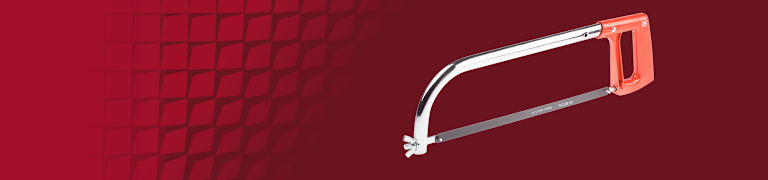

What Is a Hacksaw?
By definition, a hacksaw is a specialized hand tool designed for cutting through various materials including metal, plastics, and similar materials. Unlike wood saws, the hacksaw tool uses a fine-toothed blade mounted in a tensioned frame, making them suitable for controlled, precise cutting in engineering and maintenance applications across the Philippines.
What is the use of a hacksaw? The core hacksaw function is built around its rigid C- or D-shaped adjustable frame, which holds the blade under tension to deliver controlled, accurate cuts. The ability to adjust the frame to accommodate different hacksaw blade sizes makes the tool suitable for a broad range of uses, covering tasks such as cutting metal conduit, trimming bolts, sectioning plastic pipe, and general fabrication work.
Hacksaw Parts and How They Work Together
The hacksaw tool is made up of interconnected hacksaw parts, each playing a specific role in how the tool cuts and performs. These components work together in tension, allowing the blade to maintain the rigidity and stability required for precise, controlled cutting across a variety of materials.
Hacksaw Frames
The hacksaw frame, often referred to as the blade holder, is a critical component of the tool. It typically features an ergonomic handle, such as a pistol grip, which provides comfort during use. The frame is constructed from durable materials like steel or aluminum and includes pins for securely attaching new blades. Many frames are adjustable, allowing users to switch between various blade lengths easily.
A rigid frame minimizes flex during the cutting stroke, giving the user greater control over the direction and depth of each cut. This stability contributes directly to cleaner, more accurate results, particularly when working with harder materials or making precise cuts in tight spaces.

Hacksaw Blades
Hacksaw blades are replaceable toothed strips and one of the most critical hacksaw parts to select correctly, as the blade directly determines the efficiency and quality of the cut. Hacksaw blade sizes are defined by both length and tooth count. The most common blade length is 12 inches (300mm), although shorter blades such as 150 mm are used in compact saws.
Tooth count, measured in teeth per inch (TPI), should be matched to the material and its thickness:
- 14–18 TPI: Suitable for thicker or softer materials such as plastic or aluminum.
- 24–32 TPI: Designed for thinner metals and harder materials requiring finer cutting.
Blades are also available in different materials, including high-speed steel (HSS) for cutting harder metals and bi-metal blades that combine toughness with flexibility for general-purpose use.
Typical Hacksaw Uses
What is the use of a hacksaw? The hacksaw tool is widely used by professionals across the Philippines in fields including plumbing, electrical work, construction, and automotive repair, thanks to its versatility and ability to cut through a broad range of materials. Common hacksaw uses include:
- Metal Cutting: The hacksaw handles bolts, rods, tubes, brackets, sheet edges, and small metal profiles, making it a standard tool in fabrication and metalworking environments.
- Plastic and Pipe Cutting: A hacksaw tool delivers the controlled, manual cutting action needed to section plastic pipe, conduit, and tubing cleanly without cracking or deforming the material.
- Maintenance Work: One of the most practical hacksaw uses is removing corroded fasteners, trimming worn parts, and cutting replacement pieces during repair and maintenance tasks.
- Workshop and DIY: The hacksaw is a reliable choice for general repair and workshop tasks where power tools are unnecessary, impractical, or unavailable on site.
Types of Hacksaws
Hacksaws come in various shapes, sizes, and designs to accommodate different cutting needs and applications. Each is designed for different types of cutting environments and cutting power. Here are the main types of hacksaws:

Full-Sized Hacksaws
Also known as senior hacksaws, full-sized hacksaws are the standard hacksaw tool found in workshops, construction sites, and industrial settings across the Philippines. Their robust D-shaped frames accommodate 12-inch blades across a range of TPI options including 18, 24, and 32, making them compatible with a wide variety of materials from mild steel to plastic. Their size and rigidity provide the leverage and stability needed for sustained, heavy-duty cutting tasks.
Best For: General metalworking, cutting bolts and rods, fabrication tasks, and any application where material thickness or hardness demands a full-length blade and firm frame support.

Junior Hacksaws
Junior hacksaws are a smaller variant used when space is limited or more precise cutting is required. They feature softer, half-sized blades and are not suitable for cutting harder substances. Junior hacksaws are compact, easily portable hand tools that excel in tight spaces and are often used for plumbing, electrical work, and DIY projects.aJunior hacksaws are a compact, lighter variant of the standard hacksaw tool, designed for situations where working space is restricted or a finer degree of control is required. They use shorter, half-sized blades and are better suited to softer materials, making them a practical choice for light trade work and DIY tasks rather than heavy-duty cutting.
Best For: Plumbing and electrical work in confined spaces, light pipe cutting, and DIY projects where portability and maneuverability matter more than raw cutting capacity.
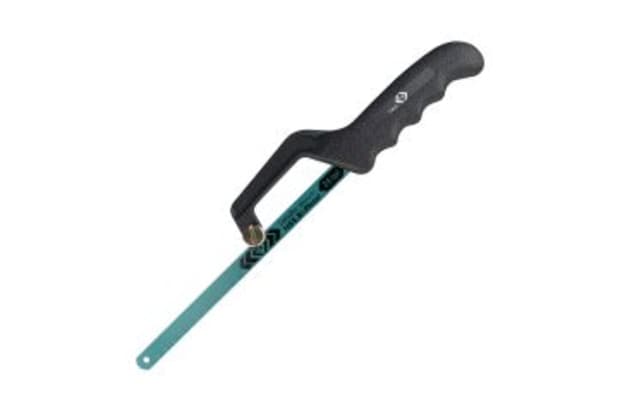
Mini Hacksaws
Mini hacksaws take compactness a step further, pairing a long ergonomic handle with a minimal D-shaped frame to create one of the most maneuverable types of hacksaw available. Their slim profile allows them to access areas that full-sized and junior models simply cannot reach, making them particularly useful for domestic maintenance and repair work.
Best For: Cutting pipework in tight domestic spaces, trimming materials in confined access areas, and any precision cutting task where a larger frame would be obstructive.

Power Hacksaws
Power hacksaws, also known as electric hacksaws, replace manual effort with a built-in electric motor that drives the blade through repeated cutting strokes automatically. Most models raise the blade on the return stroke to reduce friction and extend blade life, while integrated coolant pumps help prevent overheating during prolonged cutting sessions. Handheld power variants are also available for applications that require mobility.
Best For: High-volume cutting in industrial and workshop settings, repetitive cuts through hard metals, and production environments where manual cutting would be too slow or physically demanding.
Key Factors to Consider When Choosing a Hacksaw
When choosing a hacksaw, consider these factors to select the right tool for your uses:
- Blade Length Compatibility: Ensure the hacksaw blade matches the frame size (e.g. 300 mm or 150 mm) to allow correct tensioning and safe operation.
- Tooth Pitch (TPI): Select the appropriate tool pitch for the material thickness to ensure efficient cutting and reduce blade wear or tooth stripping.
- Blade Material: Bi-metal blades offer a balance of flexibility and durability, while HSS blades provide high hardness for tougher materials.
- Frame Rigidity: A more rigid frame improves accuracy and reduces vibration during cutting, particularly in metalworking applications.
- Working Environment: Compact saws are preferred in confined spaces, while full-sized saws are better for open workshop conditions.
Explore Different Hacksaw Types
Here’s a quick side-by-side comparison of the four main types of hacksaw to help you identify which is best suited to your needs:
Full-Sized Hacksaw | Junior Hacksaw | Mini Hacksaw | Power Hacksaw | |
|---|---|---|---|---|
| Blade Length | 12 in (300mm) | 6 in (150mm) | 6 in or less | 12 in and above |
| Power Source | Manual | Manual | Manual | Electric motor |
| Portability | Moderate | High | High | Low |
| Best Materials | Steel, thick metal, pipe | Soft metals, plastic | Thin pipe, soft materials | Hard metals, high-volume cuts |
| Ideal Setting | Workshop, construction, industrial | Trade work, confined spaces, DIY | Tight domestic spaces, precision tasks | Industrial production, fabrication shops |
Safety Tips for Using a Hacksaw Effectively
Using a hacksaw safely is crucial for preventing accidents and ensuring effective cutting. Like any tool, it requires focus and attention to detail. Here are some essential tips to help you use a hacksaw safely and efficiently:
- Choose the Right Blade: Selecting the appropriate blade for the material you are cutting is vital. Different materials require blades with varying teeth per inch (TPI), so ensure you have the right one for your task.
- Check Blade Orientation: Always ensure the blade is mounted in the correct direction, with the teeth facing forward. This orientation allows for effective cutting on the forward stroke.
- Secure the Blade Properly: Before starting, double-check that the blade is firmly secured to the frame. A loose blade can lead to inaccurate cuts and may snap during use.
- Stabilize the Workpiece: Always secure the object you are cutting using a vice or clamps. This prevents movement and allows for cleaner, safer cuts.
- Direct Cutting Movements Away from Your Body: When sawing, maintain a firm grip and direct the cutting movements away from your body to minimize the risk of injury.
How to Change a Hacksaw Blade
Changing a hacksaw blade is a simple process that can be completed in a few easy steps, regardless of whether you are using a senior or junior model. Follow this step-by-step guide:
- Release Blade Tension: Locate the frame adjuster at the front of the hacksaw tool and loosen it to relieve the tension holding the blade in place.
- Remove the Old Blade: Once tension is released, carefully lift the blade free from the retaining pins on the frame, taking care to avoid contact with any worn or jagged teeth.
- Fit the New Blade: Set the new blade onto the retaining pins and confirm that the teeth are angled to face forward in the cutting direction before proceeding.
- Re-Tension the Blade: Tighten the frame adjuster until the blade sits firm and straight within the frame, with no lateral flex or wobble.
- Test Gently Before Cutting: Make a light, controlled test stroke on a piece of scrap material to confirm the blade is seated correctly and the hacksaw is ready for full use.
How to Maintain a Hacksaw
Regular maintenance of your hacksaw tool is essential for ensuring optimal performance and safety. Here are some key maintenance tips to keep your hacksaw in excellent condition:
- Inspect Blades Regularly: Check blades for signs of dullness, bending, or damage before each use and replace them immediately if any wear is detected, as a compromised blade affects both cut quality and safety.
- Lubricate the Blade: Apply a light coat of oil or cutting lubricant to the blade before tackling harder materials to reduce friction, minimize heat buildup, and extend blade life.
- Clean After Use: Remove metal filings, dust, and debris from both the blade and frame after every session to prevent buildup that can accelerate wear and affect the fit of replacement blades.
- Protect from Rust: Store the hacksaw in a dry location and wipe down all metal parts with a lightly oiled cloth if the tool is not going to be used for an extended period.
- Slow Down on Hard Materials: When cutting through tougher materials, reduce your stroke speed to lower the risk of blade breakage and maintain greater control over the direction of the cut.
- Check the Tension Mechanism: Periodically inspect the frame adjuster for stiffness or wear and apply a small amount of lubricant to keep it operating smoothly so blades can be tensioned and released without difficulty.
- Store Safely: When not in use, keep blade edges covered with a blade guard or store the hacksaw separately from other tools to prevent accidental contact with the teeth and protect both the blade and surrounding equipment.
Popular Hacksaw Brands
Many different brands and manufacturers supply hacksaws, each best suited to varying applications. The following are just a few examples of popular brands:


RS PRO
Our in-house brand, RS PRO, offers multiple types of hacksaws, each ideal for varying applications. Shop now!

Bahco
Bahco is a leading brand offering high-quality hacksaws suitable for multiple uses. Explore the full range today.

Stanley
Commonly used by both hobbyists and professionals alike, Stanley hacksaws remain a popular choice. Shop the full range online now.