Bootlace Ferrules
A bootlace ferrule is a crimp sleeve fitted to the stripped end of stranded wire, creating a solid termination for screw, spring, or cage-clamp terminals. Also known as wire ferrules, ferrule connectors, or cable ferrules, they prevent strand splaying and promote consistent electrical contact when correctly crimped. By consolidating loose copper into a rigid pin, they support faster panel assembly and help reduce short-circuit risk in high-density installations.
What Are Bootlace Ferrules?
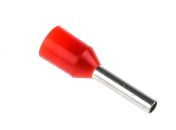
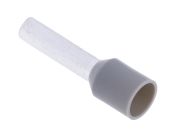
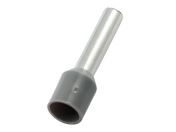
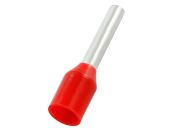
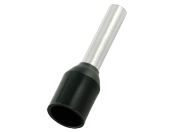
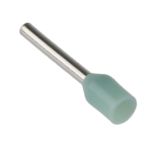
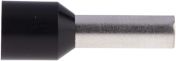
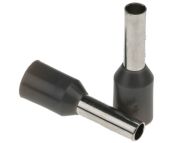
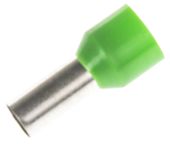
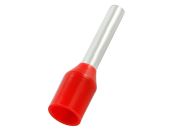
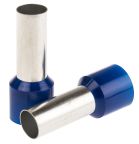
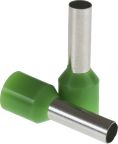
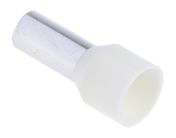
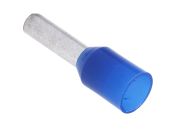
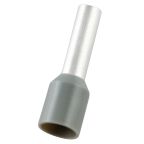
A bootlace ferrule consists of a thin metal tube, typically made from tinned copper, designed to be crimped over stranded conductors to form a tidy, solid pin. Many models feature a flared entry and an optional nylon insulating collar, commonly referred to as insulated bootlace ferrules. These parts exist to maximize the contact area within a terminal block, increase pull-out strength, and help ensure that every wire strand contributes to the electrical connection.
How Do Bootlace Ferrules Work?
The bootlace ferrule crimp process uses cold forming to compress the metal barrel around the copper strands, creating a mechanically stable, gas-tight termination when installed with the correct tool and conductor size. When the stripped conductor is inserted into the insulated crimp bootlace ferrule, the metal tube is compressed by a calibrated crimping tool. This forms a uniform pin that allows even clamping pressure inside the terminal, supporting stable electrical contact compared with unterminated stranded wire.
What Are Bootlace Ferrules Used For?
A cable ferrule is essential for maintaining contact reliability in professional electrical systems. They are used for:
- Panel Wiring & Control Cabinets: Terminating control, I/O, and power cores into PLCs, drives, relays, and terminal blocks to simplify insertion and re‑termination.
- Field Devices & Machinery: Helping maintain clean connections on contactors, sensors, valves, and small motors where vibration or repeated servicing could disturb loose strands.
- Maintenance & Retrofitting: Upgrading existing bare stranded ends in panels and junction boxes to improve terminations and reduce wiring faults during service work.
Where Are They Used?
Wire ferrules are standard across industries that prioritize safety and repeatable performance:
- Industrial Automation & OEMs: In panels for conveyors, packaging lines, machine tools, and process equipment using screw and spring‑clamp terminal blocks.
- Building Services & HVAC: Within BMS panels, HVAC controls, and lighting control systems where tidy wiring and clear identification support maintenance and troubleshooting.
- Transport & Marine: In vibration-prone environments, such as vehicles and marine switchboards, where a properly crimped bootlace ferrule helps maintain a stable connection over time.
Types of Bootlace Ferrules
Selecting the right cable ferrule depends on the application environment and wiring configuration:
- Insulation: Insulated bootlace ferrules feature a color-coded plastic collar for conductor guidance and strain relief, while non-insulated ferrules are used where space is limited.
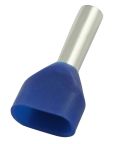
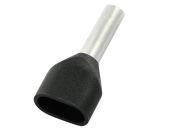
- Configuration: Single ferrules terminate one conductor, while twin (double) ferrules allow two conductors to be crimped into a single pin.
- Color Systems: Many insulated ferrules follow standardized color coding systems (such as DIN 46228) to indicate conductor cross-sectional area (e.g., 1.0 mm2 or 2.5 mm2).
- Length: Available in standard, short, or long barrel lengths to match different terminal depths and clamping mechanisms.
How to Choose the Right Bootlace Ferrule
To ensure a high-quality termination, use this guide before you buy a bootlace ferrule:
- Conductor Size: Match the ferrule cross-section (mm2/AWG) to the wire size. A snug fit before crimping supports a reliable, possibly gas-tight crimp when used with the correct tool.
- Single vs. Twin: Select a single bootlace ferrule for one wire, or a twin (double) version for landing two conductors into a single terminal.
- Insulation: Use insulated bootlace ferrules for wire guidance, identification, and limited strain relief. Choose non-insulated versions for tight spaces or where heat-shrink will be applied.
- Length and Pin Reach: Ensure the barrel length matches the terminal depth; pins that are too short may fail to seat securely in deep clamps, while excessively long pins can bottom out or interfere with neighboring wiring.
- Environment: For extreme conditions, select specific plating or materials designed to resist high temperatures, corrosion, or chemical exposure.
- Tooling Compatibility: Ensure the ferrule size matches your crimp tool’s die profile (square, hex, or trapezoid) by following the manufacturer’s compatibility chart.
- Budget and Availability: Compare the prices for bulk quantities. Always check real-time stock to ensure immediate availability for your project.
Installation & Crimping Tips
A professional bootlace ferrule crimp requires precision and the correct tooling:
- Strip Correctly: Remove the wire insulation precisely to the barrel depth. Ensure no strands are left exposed outside the ferrule.
- Fully Insert: Push the copper strands until they hit the stop. Check that no strands are flared or bent backward outside the entry.
- Seating the Collar: For an insulated crimp bootlace ferrule, ensure the plastic collar seats firmly over the conductor insulation to provide proper strain relief.
- Correct Die and Profile: Match the ferrule size to the specified crimp die (square, hex, or trapezoid). Always complete the full ratchet cycle to ensure maximum compression.
- Quality Assurance: Perform a gentle pull test to confirm mechanical retention. Inspect the finished crimp for even compression and ensure the insulating collar has not cracked during the process.
Features & Benefits
Implementing a ferrule connector offers several technical advantages when terminating flexible conductors:
- Reliable Terminations: When correctly sized and crimped, bootlace ferrules can form a sealed, mechanically stable interface that reduces strand damage and helps prevent oxidation at the clamping point.
- Faster Builds: They enable quick insertion into screw, spring, and cage‑clamp terminals, making wiring more repeatable and reducing time spent re‑tightening loose strands.
- Professional Finish: Wire ferrules provide a clean, organized appearance in distribution boards and control panels, supporting easier inspection and labeling.
- Enhanced Safety: By eliminating loose strand splay at terminal entries, bootlace ferrules help reduce one common cause of short circuits and intermittent faults in control wiring.
Why Buy Bootlace Ferrules from RS Philippines?
RS Philippines stocks a comprehensive range of insulated and non-insulated bootlace ferrules from industry leaders such as Phoenix Contact, TE Connectivity, and Schneider Electric. We offer transparent prices with real-time stock availability. Whether you need to buy bootlace ferrule kits or high-volume wire ferrules for industrial panels, our inventory covers all standard mm² and AWG specifications.
Browse our online collection to access technical datasheets and select the precise cable ferrule or crimping tool kit for your application. You can combine bootlace ferrules with related accessories such as terminal blocks, markers, and cable management products in a single order, supported by fast, flexible shipping across the Philippines. For details on lead times and fees, please visit our Delivery page.



Popular Searches
Related links
- RS PRO 22 mm Pin Length Brown 4 AWG Wire Size
- Phoenix Contact 32 mm Pin Length Silver 4 AWG Wire Size
- Phoenix Contact Insulated Ferrule 1.3 mm Pin Diameter, Grey 18 AWG Wire Size
- Schneider Electric Insulated Bootlace Ferrule 3.2 mm Pin Diameter, Grey 14 AWG Wire Size
- Phoenix Contact Insulated Ferrule 0.8 mm Pin Diameter, Turquoise 22 AWG Wire Size
- Phoenix Contact 14 mm Pin Length White 20 AWG Wire Size
- RS PRO Insulated Crimp Bootlace Ferrule 1.1 mm Pin Diameter, Pink 22 AWG Wire Size
- RS PRO 8 mm Pin Length White 18 AWG Wire Size