Manometers
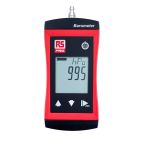
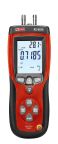
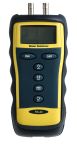
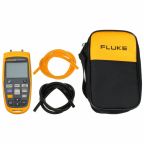
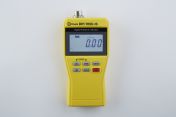
Manometers, also known as pressure meters, are scientific instruments used in various industries such as engineering, manufacturing, and HVAC systems for measuring fluid, gas, or air pressure. The handheld, battery-operated gauges feature LCD displays, allowing results to be easily read. Some units feature a backlight function for use in dimly lit areas and other challenging environments.
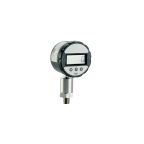
Digital manometers use hi-tech sensors and sophisticated microprocessors to provide highly accurate measurements and readings. Many manometers come with software that allows data to be transferred to laptops, smartphones, or tablets for storage or analysis.
RS offers a wide range of high-quality precision instruments from industry-leading brands including Druck, Digitron, Testo, and of course RS PRO.
We also offer in-house calibration services for your manometer if required.
How Manometers Work
Manometers measure pressure by detecting the force exerted by fluid or gas and converting it into a readable value. There are two main types:
Traditional Manometers
These use the hydrostatic principle, where a liquid column (often water, mercury, or oil) in a U-shaped tube is displaced by pressure differences. The height difference between the two columns corresponds to the pressure applied. Traditional, u-tube pressure manometers are ideal for low to moderate pressure measurements and lab applications.
Digital Manometers
Digital manometers employ advanced pressure transducers to measure pressure electronically, offering greater accuracy, ease of use, and additional functionality:
- Pressure Sensing: A pressure transducer with an elastic element (such as a diaphragm or strain gauge) inside the manometer detects applied pressure from gas or liquid.
- Signal Conversion: The transducer converts mechanical deformation caused by pressure into an electrical signal using principles like piezoresistive, capacitive, or inductive effects.
- Signal Processing: The electrical signal is amplified, filtered, and calibrated by internal circuitry to correct for noise and temperature variations, ensuring precise readings.
- Display: The processed digital value is shown on a clear LCD or LED screen, often with selectable units such as psi, Pascals, or bars.
Because digital manometers do not rely on liquid columns, they are portable, easier to read, capable of data logging, and can connect to computers or mobile devices via USB or Bluetooth.
Manometer Types
Manometers come in various types, each suited to specific pressure measurement needs depending on the reference point used. The three most common types are absolute, gauge, and differential manometers.
Absolute Manometers
Absolute manometers measure pressure relative to a perfect vacuum. They use an absolute scale where zero pressure represents a complete vacuum, making them ideal for applications where accurate, independent pressure readings are required regardless of environmental changes. These are often used in scientific experiments and high-precision industrial processes.
Gauge Manometers
Gauge manometers measure pressure relative to the ambient atmospheric pressure. In this case, atmospheric pressure serves as the zero point. This type of digital manometer is commonly used in everyday applications, such as checking tire pressure or monitoring HVAC systems, where the concern is the amount of pressure above or below the surrounding air pressure.
Differential Manometers
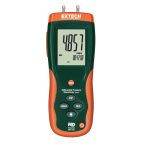
Differential manometers measure the pressure difference between two distinct points. Instead of referencing a vacuum or atmospheric pressure, they compare two separate pressure inputs. These manometers are especially useful in systems where pressure differences between two areas need to be monitored, such as across filters, pumps, or valves in HVAC, fluid dynamics, and process control systems.
How to Use a Manometer?
Manometers are versatile instruments used across different industries to measure the pressure of various substances including gas, water, and air. Depending on the application, the right type of manometer must be selected to ensure accurate readings and safe operation.
Using Manometers for Gas Pressure
Digital gas manometers are widely used by heating and boiler engineers to monitor gas pressure in piping systems. These applications often involve potentially explosive environments, so it is crucial that the manometer is certified for use in such environments. This certification ensures the device is safe to use in hazardous settings, providing both accurate readings and protection against ignition risks.
Using Manometers for Water Pressure
When measuring water pressure, the selected manometer must be designed to handle liquids. Using an incompatible model can result in damage to the internal components. If the water contains chemicals or corrosive substances, extra care should be taken to choose a chemically resistant instrument. Overpressuring the device can lead to permanent damage, such as a bent or ruptured diaphragm, which may cause inaccurate readings in the future.
Using Manometers for Air Pressure
Manometers used for air pressure applications are common in various process industries. They are often paired with tools like pitot tubes or venturis to calculate airflow rate through pipes or ducts. Before using the device, it is essential to check the air medium's temperature and confirm that it does not exceed the maximum temperature rating specified in the user manual. Following these precautions helps prevent thermal damage and ensures consistent, precise measurements.
Choosing the Right Digital Pressure Meters
When choosing a digital pressure meter, or any manometer, it's essential to weigh both key considerations and type-specific applications to ensure accurate, safe, and cost-effective usage.
- Pressure Range and Accuracy: Select a manometer whose range comfortably exceeds the expected pressure with accuracy ratings that suit your needs.
- Measurement Type: Determine whether you require a gauge, absolute, or differential measurement. This is crucial for selecting the correct type of manometer.
- Medium Compatibility and Material: Ensure compatibility with your medium (gas, air, or liquid), including corrosive fluids, and select suitable materials (such as stainless steel or brass).
- Environmental Conditions and Certifications: Consider ambient conditions, temperature ranges, IP ratings, and hazardous area certifications, especially in industrial or high-temperature environments.
- Display and Connectivity: For digital manometers, look for clear, backlit displays, unit selection options, data logging capabilities, and various connectivity options.
- Power Source and Durability: Digital manometers require a reliable power source, such as batteries or mains, and feature rugged, durable housings to withstand harsh field conditions.
Common Manometer Types and Applications
Here's a breakdown of the most common manometer types and their typical use cases.
U-Tube Manometers
A classic, simple device featuring a U-shaped liquid column; measurement is based on the height difference in fluid levels. Easy to use and cost-effective, U-tube manometers excel in lab settings or basic industrial setups, especially for moderate pressures. However, they lack sensitivity for very small differences.
Applications: Basic airflow measurements in labs, ventilation systems, or pitot tube validation.
Micromanometers
Specialized versions designed to detect extremely small pressure differences with high sensitivity. Ideal for differential pressure tasks, such as filter testing, duct balancing, and aerodynamic work.
Applications: HVAC system balancing, cleanroom pressure verification, airflow velocity checks.
Inclined Manometers
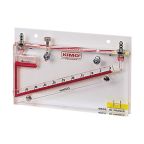
These skewed-tube manometers amplify small pressure changes by increasing scale length, yielding greater resolution, sometimes down to hundredths of an inch of water. They provide better accuracy than U-tube variants and are often used for measuring low-pressure gases.
Applications: Precise low-pressure monitoring, HVAC controls, aerodynamic research.
Digital Manometers
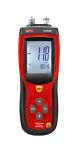
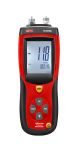
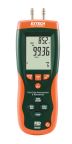
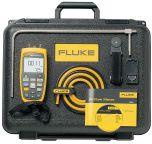
Equipped with electronic pressure transducers, digital manometers offer high accuracy, ease of reading, unit switching, data logging, and connectivity. They handle gauge, absolute, and differential pressures and are portable and rugged.
Applications: Industrial process control, HVAC servicing and diagnostics, Field pressure testing and calibration, Cases requiring quick readings, remote data, or logging.
Buy Manometers Online from RS
RS is a trusted supplier and distributor of high-quality pressure manometers across the region, offering a wide selection to suit the needs of industries ranging from HVAC and manufacturing to research and engineering.
In addition to our own reliable RS PRO range, we also stock precision instruments from leading global manufacturers, including DRUCK, Comark, Digitron, and others.
Whether you're looking for digital manometers, digital hygrometers, or digital multimeters, we provide the right tools backed by expert support and fast delivery to keep your operations running smoothly.
Shop digital manometers online with RS and enjoy flexible delivery options, including next-day and scheduled delivery in the Philippines. For complete delivery details, please visit our delivery page.
Popular Searches
Related links
- Pressure Sensors
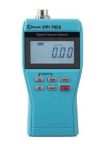
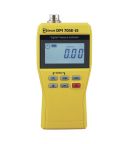
- Druck DPI705E Gauge Manometer With 1 Pressure Port/s, Max Pressure Measurement 10bar
- Druck DPI705E Gauge Manometer With 1 Pressure Port/s, Max Pressure Measurement 20bar
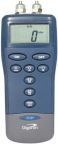
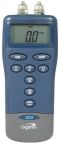
- Digitron 2000P Differential Digital Pressure Meter With 2 Pressure Port/s, Max Pressure Measurement 25mbar
- Digitron 2000P Differential Digital Pressure Meter With 2 Pressure Port/s, Max Pressure Measurement 1bar
- Pneumatic & Hydraulic Pressure Gauges
- SMC GZ33-K-01 Vacuum Digital Positive Pressure Gauge With 1 Pressure Port/s, Max Pressure Measurement 0kPa
- SMC GZ43-K-01 Vacuum Digital Positive Pressure Gauge With 1 Pressure Port/s, Max Pressure Measurement 0kPa