Hydrometers
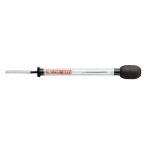
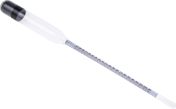
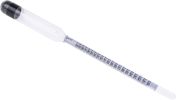
A hydrometer is a precision instrument used to measure the specific gravity or relative density of a liquid compared to water. Typically made from a glass cylinder with a weighted bulb at the base, a hydrometer floats upright in the liquid, and the reading is taken at the point where the surface meets the scale.
Hydrometers are widely used across multiple industries. A battery hydrometer helps assess the state of charge in lead-acid batteries, while a specific gravity hydrometer or glass hydrometer is common in quality control processes.
How Hydrometers work
Hydrometers operate on the principle of buoyancy. A higher-density liquid causes the hydrometer to float higher, while a lower-density liquid allows it to sink deeper. This difference in floating level forms the basis of density measurement and specific gravity readings.
A typical hydrometer consists of a sealed glass tube with a weighted bulb, often filled with lead shot or metal ballast, at the bottom. The scale inside a hydrometer is calibrated against specific gravity or other industry-specific measures, allowing quick and accurate readings of liquid density.
To use a hydrometer, place it gently into the liquid sample, ensuring it floats freely. Once it settles, take the reading at the point where the liquid’s surface meets the scale on the stem. Apply temperature corrections if needed to get an accurate specific gravity value.
Types of Hydrometers
Standard Glass Hydrometers
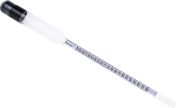
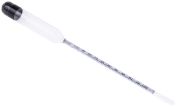
These classic hydrometers consist of a sealed glass tube with a weighted bulb that floats in liquids to measure density or specific gravity on a calibrated scale. Standard glass hydrometers measure the density of liquids in chemical processing, water treatment, environmental testing, and general laboratory applications. These versatile hydrometers come in multiple specific gravity ranges to suit different measurement needs.
Battery Hydrometers
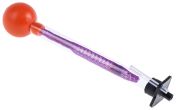
Battery hydrometers are specialized glass hydrometers designed to test the specific gravity of electrolytes in lead-acid batteries. These hydrometers are used to determine battery state-of-charge and cell health, making them essential for automotive workshops, industrial battery maintenance, and backup power systems.
Antifreeze / Coolant Hydrometers
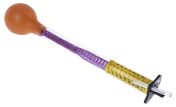
Another type of glass hydrometer, antifreeze and coolant hydrometers are calibrated to measure the freezing point and concentration of engine coolants and antifreeze mixtures. These instruments allow quick assessment of coolant conditions, helping maintain engine performance and prevent freezing or overheating in vehicles and industrial equipment.
Features and Benefits of Hydrometers
Hydrometers offer a practical, accessible way to measure liquid density across a wide range of applications. Key benefits include:
- Simple and Cost-Effective: A glass hydrometer provides accurate, reliable readings without electronics.
- Wide Applicability: Hydrometers are suitable for oils, acids, solvents, and more.
- Accurate Density Measurement: Designed to deliver precise, repeatable results for specific gravity or other standardized scales.
- Instant Readings: Quick results with no power supply or extensive setup required.
- Portable and Field-Friendly: Many hydrometers, especially battery hydrometers and automotive types, are compact and durable enough for on-site testing. For more advanced monitoring and data recording, see our complete guide to data loggers
- Standardized Scales: Many hydrometers are available with specific gravity and other industry scales.
Applications of Hydrometers
Hydrometers are essential tools for precise density measurement in different industries including:
- Battery Maintenance: A battery hydrometer measures the specific gravity of lead-acid battery electrolyte, helping assess the state of charge and overall battery health.
- Automotive Fluids & Cooling Systems: Hydrometers help check antifreeze concentration or coolant density.
- Industrial Chemical & Process Fluids: Used in petrochemical, pharmaceutical, and food industries to monitor the concentration of acids, alkalis, salts, and other process solutions.
- Water Quality & Environmental Monitoring: Hydrometers for density measurement assess salinity, nutrient solutions in hydroponics, and other water quality parameters.
How to Choose the Right Hydrometer
Selecting the appropriate hydrometer for your application is crucial. Consider the following factors:
- Select the Correct Type/Scale: Use a battery hydrometer for testing lead-acid batteries or a general specific-gravity hydrometer for other liquids.
- Range Suitability: Make sure the hydrometer covers the expected density or specific gravity range of your sample.
- Material & Build: Standard glass hydrometers work for most applications, but consider more rugged models for field or harsh environments.
- Temperature Calibration: Ensure the hydrometer is calibrated for the correct temperature.
- Supplier & Availability: Check local stock before you buy a hydrometer in the Philippines and compare prices before purchase.
- Accessories & Standards: Many hydrometers include additional features such as thermometers, calibration charts, or protective cases for easier and more accurate use.
Why Choose RS Philippines for Hydrometers?
Find the right hydrometers for any application at RS Philippines. We stock a wide range of products, including glass hydrometers, battery hydrometers, and specific gravity hydrometers, from well-known brands like Brannan, Facom, and RS PRO. Explore our full online selection to find hydrometers, digital hygrometers, and data loggers for use in laboratories, industrial processes, and other precision density measurement tasks.
Ordering is simple. Just select the hydrometer you need, add it to your cart, and complete your purchase with our secure online checkout. Detailed information on shipping times, costs, and service coverage across the Philippines is available on our Delivery Information page.