Pilot Lights
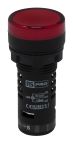
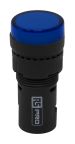
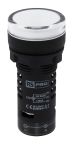
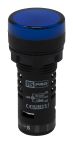
Pilot lights are compact visual indicators used to display the status of electrical circuits or equipment. Commonly panel-mounted and often LED-based, these lights provide clear and immediate visual cues for operators, signaling whether a device is powered on, off, or in a fault condition. Their small form factor and reliability make them a critical part of control systems in industrial, commercial, and utility applications across the Philippines.
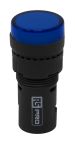
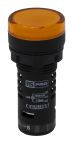
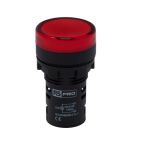
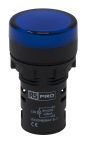
Available in various voltages, colors, shapes, and ingress protection (IP) ratings, pilot lights are a standard component on control panels, machinery dashboards, and automation systems.
At RS Philippines, we offer a wide selection of LED pilot lights and modular configurations, catering to local demand with reliable delivery and competitive pricing.
How Pilot Lights Work and Why They're Important
Pilot lights serve as a simple yet effective way to communicate system status. When integrated into control panels or equipment, these lights illuminate in specific ways, steady, flashing, or alternating, to indicate operational conditions such as:
- Power ON: Typically green or white
- Fault or Error: Usually red or flashing
- Standby or Idle: Often amber or yellow
These LED power indicators enhance workplace safety and help prevent operational errors by allowing workers to visually verify machine states from a distance. Especially in industrial settings across the Philippines, pilot light indicators contribute to efficient system monitoring and early fault detection, reducing downtime and maintenance costs.
Types of Pilot Lights Available
Pilot lights come in various types, each tailored to suit specific functions based on the light source, design features, and color capabilities. These are the most commonly used pilot light types across industrial and commercial settings in the Philippines:
LED Pilot Lights
LED-based pilot lights are widely used due to their energy efficiency, long operational life, and intense brightness. These lights outperform traditional options by consuming less power, producing minimal heat, and offering a wide selection of colors for versatile use. They are typically mounted on modern control panels and equipment that require reliable and low maintenance indicators.
Incandescent Pilot Lights
Once the standard electrical indication, incandescent pilot lights provide a soft, warm glow and are known for their simplicity. Although they are less energy-efficient and have a shorter lifespan compared to LEDs, they are still used in legacy systems or applications that do not demand high-intensity illumination.
Neon Pilot Lights
Neon indicator lights are best suited for high-voltage environments. They are easy to spot and perform well in applications involving 120V or more. Commonly found in older or heavy-duty industrial equipment, neon pilot lights are valued for their visibility and durability in rugged conditions.
Push-to-Test Pilot Lights
Designed with a built-in testing mechanism, push-to-test pilot lights allow operators to verify functionality by pressing a button. This feature is essential in safety-critical applications where ensuring the indicator is operational is part of routine checks and compliance standards.
Multi-Color Pilot Lights
These advanced indicators can show different colors from a single light unit, enabling more complex status communication. Multi-color pilot lights are perfect for systems that need to display multiple operating states, such as standby, running, or fault, using a single compact device.
How to Choose the Right Pilot Light
Choosing the right pilot light involves more than just selecting a color. It requires aligning the light's specifications with the technical, environmental, and operational demands of your application. Whether you’re sourcing pilot lights for industrial panels, control stations, or facility monitoring systems in the Philippines, these are the key factors to consider:
- Voltage and Current Ratings: Ensure the pilot light you select is compatible with your system's power supply. Common voltages include 12V, 24V, 110V, and 220V. Using a light with the wrong voltage can lead to malfunction or damage. Low-voltage LED pilot lights are ideal for control systems, while high-voltage neon pilot lights are suitable for legacy or industrial installations.
- Mounting Type: Panel mount pilot lights are the most widely used format, especially in industrial control panels, switchboards, and dashboard interfaces. They are designed for quick installation through pre-cut panel holes, typically secured with locking nuts or clips. Consider the panel thickness and cutout size when choosing your pilot light to ensure proper fit and stability.
- IP Rating: In environments exposed to dust, oil, or moisture, such as manufacturing plants, food processing facilities, or outdoor systems, IP-rated (e.g., IP65, IP67) pilot light is essential.
- Color and Visibility: Color plays a critical role in conveying system status. Standard industrial color codes help ensure quick recognition and operator response.
- Style: Determine whether your application requires a steady light (indicating normal status) or a flashing light (used to grab attention for warnings or alerts). Some pilot lights can be programmed or paired with timers or relays to change behavior based on system events.
- Material and Durability: Durability is critical in environments with high vibration, exposure to chemicals, or extreme temperatures, common in many industrial settings. As such, opt for pilot lights with robust casings that are resistant to chemicals, vibration, or UV exposure.
Where Pilot Lights Are Used Across Industries
Pilot lights are versatile and used in many industries to enhance operational awareness and safety. Common applications in the Philippines include:
- Discrete Manufacturing: CNC machines, robotics, and control panels use pilot lights to indicate machine readiness or alert operators to issues.
- Process Manufacturing: Chemical, food, and pharmaceutical plants utilize pilot lights for stage signaling, safety warnings, and compliance monitoring.
- Energy and Utilities: Power substations and transformer stations rely on LED pilot lights for real-time power-on indicators and fault notifications.
- Facilities and Intralogistics: Pilot lights are used in elevator control systems, warehouse automation, access panels, and data centers to provide visual feedback on operational status or access permissions.
Why Buy Pilot Lights from RS Philippines
RS Philippines is a trusted supplier of high-quality pilot lights from leading global brands such as Schneider Electric, Siemens, Eaton, and many more. Whether you're looking for a modular LED pilot light or a specific voltage-rated indicator, RS provides competitive prices and reliable deliveries across the Philippines.
From factories to control rooms, RS Philippines delivers dependable solutions to meet your signal indication needs. If you need other light components for your electrical or industrial applications, we also offer industrial warning lights, tower light LED, and more.
For more information on delivery options and fees, please visit our delivery page.
Popular Searches
Related links
- Indicator Lamps
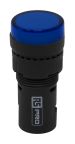
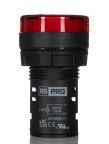
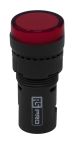
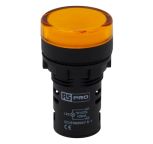
- RS PRO 22mm Cutout Round, 24V ac/dc
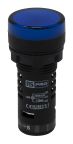
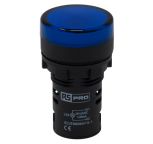
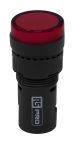
- RS PRO 22mm Cutout Round, 110V ac
- Panel Mount Indicators
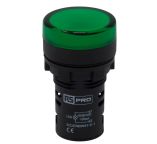
- Siemens Panel Green LED Pilot Light IP20 12 → 60V ac
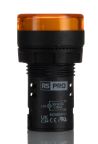
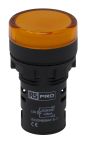
- Schneider Electric Panel Mount Orange Universal LED Pilot Light IP66 240V ac
- Schneider Electric - Easy Series Panel Mount Red LED Pilot Light IP65 220V
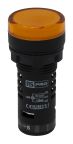
- Schneider Electric Panel Mount Orange Universal LED Pilot Light 240V ac