Thermal Insulation
Thermal insulating materials are specialized engineering materials used to reduce heat transfer, ensuring energy efficiency, temperature stability, and critical equipment protection. By utilizing materials with low thermal conductivity, these solutions control surface temperatures and maintain process integrity in industrial, commercial, and building applications.
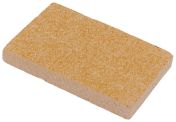
At RS Philippines, we supply heat insulation in various formats to suit specific installation needs and temperature ranges. Our inventory includes thermal insulation sheet rolls, rigid thermal insulation board units, thermal insulation panels, rods, bars, and bulk fiber. Whether you’re shielding a furnace or insulating HVAC ducting, our range provides the heat-resistant insulation required for professional results.
What Is Thermal Insulation?
Thermal insulation acts as a heat insulator that slows the flow of thermal energy via conduction, convection, and radiation. It’s a fundamental component for improving energy efficiency and protecting personnel from accidental contact with hot surfaces by limiting heat transfer.
This type of heat insulation is applied across a wide spectrum of environments, including:
- Buildings & HVAC: Reducing heat gain or loss in ducting and chilled water lines.
- Industrial & Process: Maintaining controlled temperatures in piping, tanks, and furnaces.
- Machinery: Protecting sensitive components and electronics from elevated temperatures.
How Thermal Insulation Works?
Thermal insulation materials work by limiting the three main modes of heat transfer: conduction, convection, and radiation. Materials with low thermal conductivity reduce heat flow through solid contact, while fibrous structures and cellular designs trap air and disrupt convective currents. These principles apply across different formats, including insulation sheet materials, rigid board products, and advanced thermal insulation panels.
Some insulation systems also incorporate reflective surfaces to reduce radiant heat transfer by reflecting infrared energy. This is commonly seen in specialized heat-resistant insulation designed for high-temperature environments.
The overall effectiveness of any heat-resistant insulation systems depends on several factors, including material thickness, temperature rating, airflow conditions, and the quality of the installation.
Types of Thermal Insulation Materials
Choosing the most efficient heat insulator depends on whether you require a rigid barrier, a flexible wrap, or a loose-fill solution for irregular spaces.
Thermal Insulating Sheet
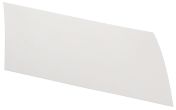
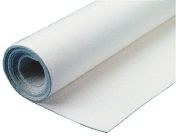
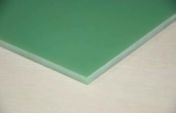
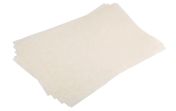
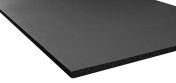
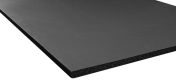
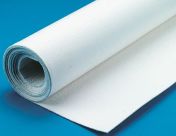
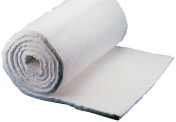
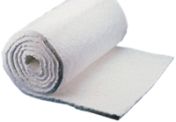
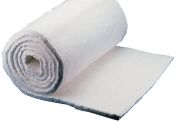
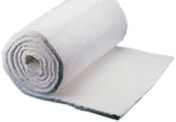
A thermal insulation sheet is a flat, cuttable material supplied in rigid form or flexible rolls. These insulation sheets are ideal for lining equipment housings, creating heat shields, or wrapping industrial assemblies. Because an insulation sheet is easy to cut and shape, it is the preferred choice for creating thermal barriers in tight spaces or during maintenance retrofit jobs.
Thermal Insulation Boards and Panels
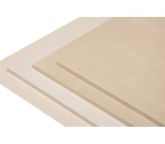
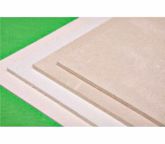
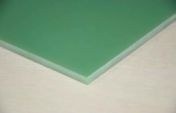
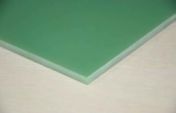
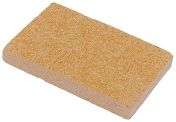
A thermal insulation board or panel offers rigid, dimensionally stable protection. These are commonly used for insulating walls, cold rooms, plant rooms, and industrial enclosures. Choosing a thermal insulation board ensures consistent thickness and coverage, making them ideal for structural thermal barriers in HVAC zones where temperature stability is paramount.
Rods & Bars
Insulating rods and bars are cured components used as spacers, supports, or standoffs. They provide a structural heat insulator for furnace assemblies and machinery where high-temp mechanical isolation is needed without compromising structural integrity.
Bulk Fiber Insulation
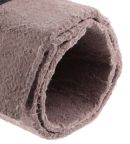
Bulk fiber is a mass of loose material, similar in appearance to cotton wool, used to fill irregular voids or pack expansion gaps. This is a highly versatile form of thermal insulation for repairing kilns and furnaces where rigid sheets or boards cannot easily fit.
What Is Thermal Insulation Made From?
Selecting the right material is vital for safety and performance. Common insulation materials include:
- Fiberglass & Mineral Wool: Highly effective for HVAC and building applications; offers excellent heat insulation and sound absorption.
- Ceramic & High-Temp Fibers: Engineered for high-temperature industrial applications such as furnaces and kilns.
- Foams (PIR/PU/Elastomeric): Lightweight options frequently used in thermal insulation panels for energy efficiency.
- Engineering Plastics & Laminates: Often used as an insulation sheet for electrical and thermal separation.
Where Would You Find Thermal Insulation?
Thermal insulation is found across various sectors, serving as a critical heat insulator to maintain system equilibrium and safety. You will typically find these materials integrated into the following environments:
- Building & HVAC Systems: To maximize energy efficiency, thermal insulation panels and wraps are used to line air ducts, chilled water lines, and plant room partitions.
- Industrial & Process Engineering: High-performance heat insulation is vital for wrapping hot process piping, storage tanks, and industrial ovens to stabilize temperatures and reduce energy consumption.
- Electrical & Mechanical Assemblies: Inside compact equipment enclosures, a thermal insulation sheet can act as a localized heat shield to protect sensitive electronics from heat-generating components.
- Safety & Personnel Protection: Insulation is used to create "cool-to-touch" surfaces on high-temperature machinery, protecting workers from radiant heat and accidental burns.
How to Choose the Right Thermal Insulation
To ensure long-term energy efficiency and safety, consider the following technical factors before you buy thermal insulation:
- Temperature Rating: Always select heat-resistant insulation rated for a maximum operating temperature that exceeds your system's peak to prevent degradation or failure.
- Thermal Conductivity (k-value): Lower thermal conductivity indicates better insulating performance; this is a key parameter when comparing materials.
- Thickness and Thermal Resistance: Insulation effectiveness increases with thickness and is often expressed as thermal resistance (R-value), which should be matched to the application requirements.
- Form Factor: Choose a thermal insulation sheet for custom-cut barriers, thermal insulation panels for rigid structural coverage, or bulk fiber for filling irregular cavities.
- Environment and Mechanical Needs: Consider exposure to moisture, oils, or UV. If the area faces high vibration or physical impact, ensure the material has the necessary compressive strength and abrasion resistance.
- Installation and Budget: Evaluate handling requirements in the Philippines, such as PPE for fibrous materials, and compare the price for both thermal insulation and heat insulator online to find the best fit for your budget.
Installation and Handling Tips
Improper handling can degrade the material's properties or lead to thermal bridging, which compromises the entire heat insulation system. Follow these practical steps for a professional installation:
- Measure and Cut Accurately: Use precise cutting tools for insulation sheets to ensure tight-fitting joints to minimize gaps, as even small voids can significantly reduce thermal efficiency.
- Use Appropriate Fixings: Select adhesives or mechanical fasteners rated for the operating temperature and substrate material.
- Minimize Thermal Bridging: Avoid compressing insulation excessively and ensure continuous coverage to maintain performance.
- Safety First: Always wear appropriate PPE (gloves, masks, and eye protection ) when handling fiberglass or mineral wool to prevent skin and respiratory irritation.
Why Buy Thermal Insulation from RS Philippines?
RS Philippines is a trusted distributor of high-performance engineering materials and industrial hardware. We provide a comprehensive selection of thermal insulation solutions at competitive prices, sourced from reputable brands like RS PRO, Goodfellow, and Sindanyo H91. Beyond insulation, we offer a range of engineering materials and industrial hardware, including conveyor components and structural systems to ensure your systems operate safely and efficiently.
Browse our user-friendly online site to find the best thermal insulation in the Philippines and have your items shipped directly to your facility. With our swift delivery options, we ensure your maintenance projects stay on schedule. Visit our delivery information page for more details on delivery times and fees.