D Sub Backshells
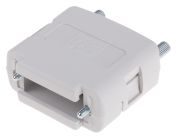
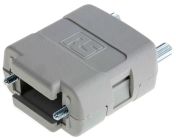
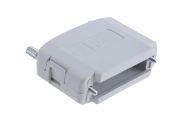
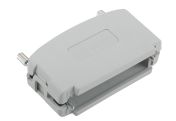
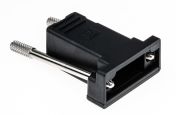
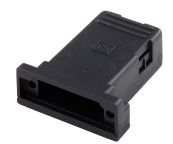
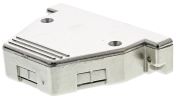
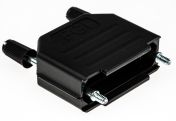
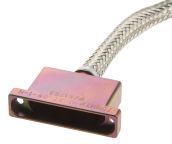
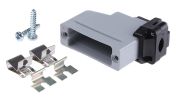
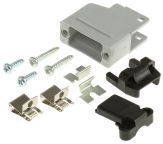
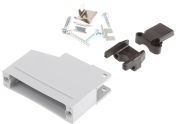
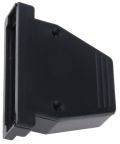
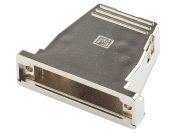
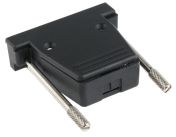
D-Sub or D-subminiature backshells are protective hoods designed to enclose and secure the rear termination of a D-Sub connector, maximizing EMI/RFI shielding for optimal performance. Moreover, D-Sub connector backshells provide strain relief, industrial cable management, and mechanical protection, ensuring the integrity of serial, parallel, and data I/O connections. They are vital for industrial, test, and computing environments across the country.
At RS Philippines, you’ll find a wide range of these products at competitive prices.
What Is a D-Sub Connector Backshell?
A D-Sub connector backshell is the protective housing fitted to the cable-entry side of a D-Sub plug or socket. Its primary jobs are:
- Mechanical Protection: Protect delicate soldered or crimped terminations against vibration, flexing, or external damage.
- Strain Relief: Clamp, grommet, or gland features secure cables, reducing stress at the termination and prolonging cable/system life.
- EMI/RFI Shielding: Metal backshells offer 360° shielding, suppressing EMI/RFI and supporting signal reliability in sensitive environments.
- Cable Routing: Angled (45°/90°) or low-profile entries enable neat installation of electric cables, especially in constrained or dense panel layouts.
- Identification: Backshells can be color-coded or labeled for quick recognition on large boards or modular systems.
- Ingress Protection: Select IP-rated backshells for dust and moisture resistance in harsh or outdoor locations.
Standard D-Sub shell sizes include DE-9, DB-15, DB-25, and DA-15, with both standard and high-density variants to fit a variety of connectors.
What Are D-Sub Connector Backshells Used for?
D-Sub connector backshells are critical for ensuring reliable electrical performance across various sectors:
- Industrial Automation: They protect terminations on serial links (such as DE-9 and DB-25) for programmable logic controllers, HMIs, and sensors.
- Test & Measurement: A D-Sub backshell provides vital strain relief for frequently connected leads on analyzers and fixtures, preventing damage during repetitive cycles.
- Computing & Peripherals: They offer necessary cable management and EMI reduction for legacy RS-232 and parallel ports, minimizing interference in computing environments.
- Networking/Communications: Shielded hoods are used in noisy panels to reduce crosstalk and interference, ensuring clear signal transmission.
- Transportation & Machinery: Rugged D-Sub backshells prevent cable pull-out and vibration damage, ensuring robust connections in heavy machinery and transport systems.
Types of D-Sub Backshells
D-Sub backshells can be classified by material, protective capabilities, and physical design:
- Material: Choose between metal backshells for superior EMI/RFI shielding and durability, or plastic for lightweight, cost-effective builds.
- Orientation: Available in straight (rear-entry) or 45°/90° side-entry designs, crucial for effective cable routing in tight enclosures.
- Shielding: For sensitive data, EMI D-Sub backshells can provide crucial protection, featuring conductive plating or braid clamps to suppress interference.
- Ingress Protection: Look for sealed/IP-rated designs to protect the internal termination points from dust and moisture in damp or dirty environments.
- Cable Relief Style: Backshells utilize clamps, grommets, or glands sized to the cable's outer diameter (OD) to provide secure strain relief against pulling forces.
- Hardware: Options include jackscrews (e.g., 4-40 or M3) or quick-release latch mechanisms for secure, reliable mating.
- Profile: Low-profile backshells are ideal for dense racks, while extended backshells offer extra interior space for custom wiring or ferrite beads.
Features & Benefits of D-Sub Connector Backshells
D-Sub connector backshells are critical for enhancing the reliability of D-Sub assemblies in industrial environments. By reinforcing the cable interface, they provide several vital benefits:
- Mechanical Protection: The rigid housing offers superior protection, shielding delicate solder or crimp joints from damaging vibration and external impact.
- Strain Relief: Built-in clamps and grommets significantly reduce conductor flexing and stress on the termination point, thereby extending the overall cable life.
- EMI/RFI Performance: Conductive metal shells, coupled with 360° termination, effectively lower electromagnetic interference and radio-frequency noise, ensuring optimal signal integrity for data transfer.
- Cable Management: Options with angled entries and low-profile forms enable neat and efficient cable routing, particularly important in dense control panels.
- Serviceability: Split-shell designs enable rapid access to internal terminations, simplifying cable rework and inspection during maintenance cycles.
- Thermal and Environmental Tolerance: Many metal D-Sub backshells are designed for wide temperature swings (-40°C to +125°C) and can withstand shock, vibration, and corrosive conditions per industry standards.
How to Choose the Right D-Sub Backshell
Selecting the ideal D-Sub connector backshell is essential for ensuring cable longevity and signal integrity in critical applications. Some factors you need to consider include:
- Match Connector Size & Density: Confirm the shell size (e.g., DE-9 or DB-25) and density (standard vs. high-density) to ensure proper fit with the mating connector.
- Check Cable Entry & Orientation: Choose straight rear entry or 90° side entry based on the enclosure clearance and required cable bend radius.
- Specify Shielding Need: For noisy panels, choose RFI D-Sub connector backshells with metal shells and braid clamps to maximize interference suppression.
- Material & Environment: Select metal for high robustness and EMI shielding, or plastic for lighter duty. As mentioned, consider IP sealing if the environment is dusty or damp.
- Budget & Availability: Balance the cost of the D-Sub connector backshell against the necessary features (like extended hoods for ferrites).
- Hardware Compatibility: Verify the correct jackscrew thread (e.g., 4-40 or M3) to ensure secure mating with the panel cutout.
Installation Tips (Quick Best Practices)
Proper installation of the D-Sub connector backshell is essential to maximize signal integrity and ensure mechanical longevity. Following these quick best practices will enhance the reliability of your termination:
- Dress & Tin (if soldered): Keep all conductor leads short and ensure they are properly strain-relieved before the backshell is closed.
- 360° Shield Termination: For maximum EMI performance, ensure the cable braid is terminated 360 degrees around the shell using dedicated braid clamps or conductive banding.
- Torque & Threads: Do not mix 4-40 (imperial) and M3 (metric) threads. Hand-tighten thumbscrews to avoid stripping the metal.
- Cable Bend Radius: Respect the minimum bend radius required at the cable exit point of the D-Sub connector backshell to prevent conductor fatigue and premature failure.
- Marking: Clearly label the connector ID, function, or pinout directly on the hood to improve future service efficiency and reduce maintenance errors.
Why Buy D-Sub Backshells from RS Philippines?
When you need reliable cable management and shielding, buy your D-Sub backshells from RS Philippines and expect reasonable prices and friendly support. We offer a wide range of D-Sub connectors in stock, from cost-effective plastic to metal EMI/RFI shielded and angled hoods. We also stock trusted brands, including TE Connectivity, MH Connectors, and HARTING, providing transparent data sheets to help you match size, cable outer diameter (OD), and thread type accurately.
Besides backshells, we also offer other D-Sub components like D-Sub adapters, D-Sub connectors, and D-Sub accessories. What’s more, we ensure fast delivery on all our cable management and shielding products. For more details on delivery services and fees, please refer to our Delivery page.
Popular Searches
Related links
- TE Connectivity AMPLIMITE Series Zinc Right Angle D-Sub Backshell, 25 Way Strain Relief
- TE Connectivity Metal Straight D-Sub Backshell, 50 Way
- 3M 3357 Series Steel Straight D-Sub Backshell, 25 Way Strain Relief
- TE Connectivity Die Cast Zinc Angled D-Sub Backshell Strain Relief
- HARTING D-Sub Series Metal Straight D-Sub Backshell, 9 Way Strain Relief
- TE Connectivity AMPLIMITE Series Polymer Angled D-Sub Backshell, 15 Way
- MH Connectors MHDTZI Series Zinc Straight D-Sub Backshell, 50 Way Strain Relief
- TE Connectivity Polymer Angled D-Sub Backshell, 9 Way