Panasonic, ETQP5M, 1050 Shielded Surface Mount Inductor with a Metal Composite Core, 33 μH ±20 % 6.5 A Idc
- RS Stock No.:
- 811-7190P
- Mfr. Part No.:
- ETQP5M330YFC
- Manufacturer:
- Panasonic

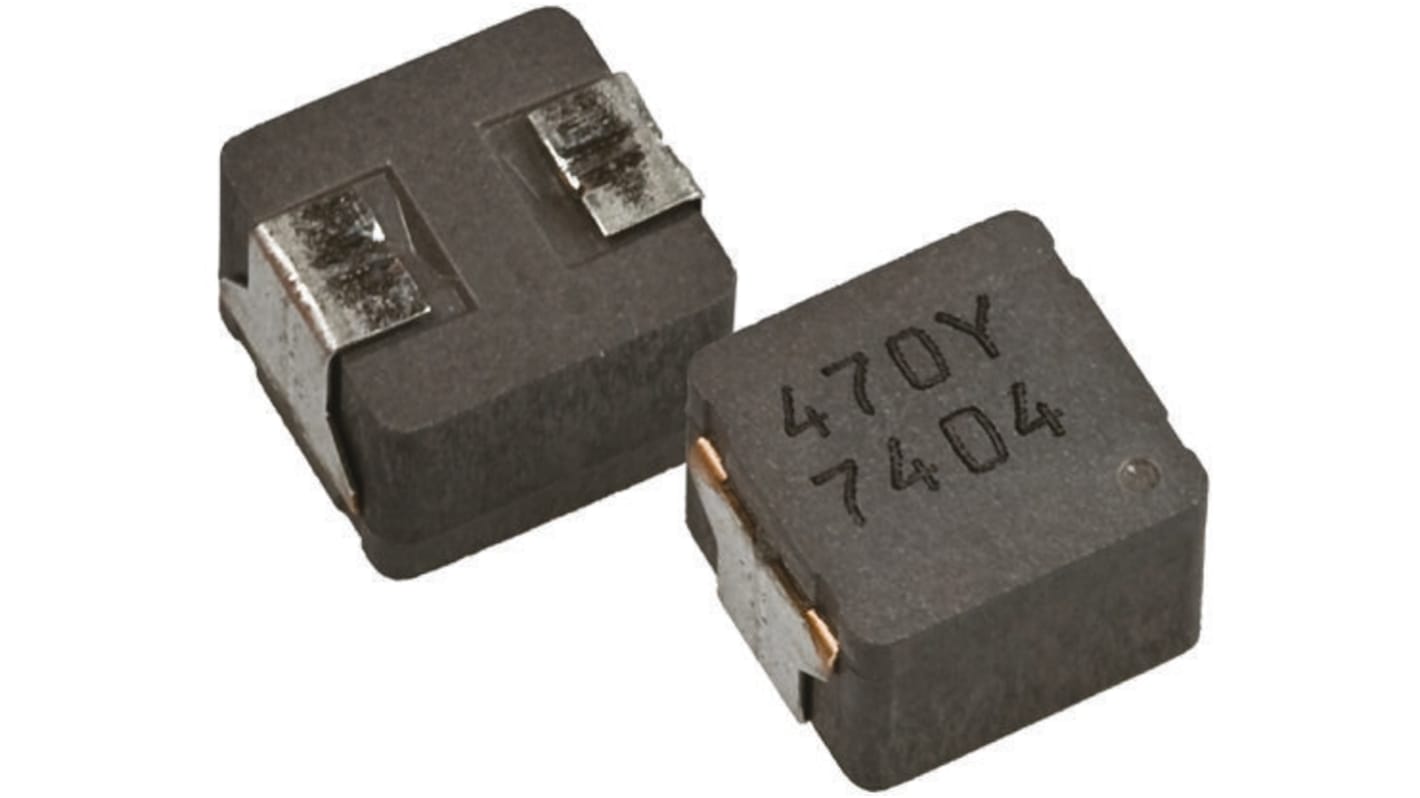
This image is representative of the product range
Bulk discount available
Subtotal 10 units (supplied on a continuous strip)*
PHP607.60
(exc. VAT)
PHP680.50
(inc. VAT)
FREE delivery for orders over ₱3,000.00
Temporarily out of stock
- 1,000 unit(s) shipping from June 02, 2026
Need more? Click ‘Check delivery dates’ to find extra stock and lead times.
Units | Per Unit |
|---|---|
| 10 - 49 | PHP60.76 |
| 50 - 99 | PHP59.30 |
| 100 - 999 | PHP53.02 |
| 1000 + | PHP45.04 |
*price indicative
- RS Stock No.:
- 811-7190P
- Mfr. Part No.:
- ETQP5M330YFC
- Manufacturer:
- Panasonic
Specifications
Technical data sheets
Legislation and Compliance
Product Details
Find similar products by selecting one or more attributes.
Select all | Attribute | Value |
|---|---|---|
| Brand | Panasonic | |
| Inductance | 33 μH | |
| Product Type | Surface Mount Inductor | |
| Maximum DC Current | 6.5A | |
| Package/Case | 1050 | |
| Packaging | Box | |
| Length | 10mm | |
| Automotive Standard | AEC-Q200 | |
| Shielding | Yes | |
| Minimum Operating Temperature | -40°C | |
| Maximum DC Resistance | 68.5mΩ | |
| Inductance Tolerance | ±20 % | |
| Series | ETQP5M | |
| Maximum Operating Temperature | 150°C | |
| Core Material | Metal Composite | |
| Standards/Approvals | RoHS | |
| Depth | 10mm | |
| Height | 5mm | |
| Termination Style | Surface Mount | |
| Maximum Self Resonant Frequency | 100kHz | |
| Inductor Construction | Wirewound | |
| Moulded | Yes | |
| Select all | ||
|---|---|---|
Brand Panasonic | ||
Inductance 33 μH | ||
Product Type Surface Mount Inductor | ||
Maximum DC Current 6.5A | ||
Package/Case 1050 | ||
Packaging Box | ||
Length 10mm | ||
Automotive Standard AEC-Q200 | ||
Shielding Yes | ||
Minimum Operating Temperature -40°C | ||
Maximum DC Resistance 68.5mΩ | ||
Inductance Tolerance ±20 % | ||
Series ETQP5M | ||
Maximum Operating Temperature 150°C | ||
Core Material Metal Composite | ||
Standards/Approvals RoHS | ||
Depth 10mm | ||
Height 5mm | ||
Termination Style Surface Mount | ||
Maximum Self Resonant Frequency 100kHz | ||
Inductor Construction Wirewound | ||
Moulded Yes | ||
- COO (Country of Origin):
- JP
Panasonic ETQP5M Series Surface Mount Inductor, 33μH Inductance, 6.5A Maximum DC Current - ETQP5M330YFC
This surface mount inductor is a VITAL component in electronic applications, particularly in automotive settings. With Compact dimensions of 10 x 10 x 5mm, it is designed to optimise performance in demanding conditions. This product exhibits high inductance of 33 μH, making it suitable for various power management tasks.
Features & Benefits
• Achieves a maximum DC current rating of 6.5A for high efficiency
• Features a low DC resistance of 75.4mΩ to minimise energy loss
• Built using a metal composite core for enhanced reliability
• Designed to withstand temperatures from -40 °C to +150 °C
• AEC-Q200 certified, ensuring it meets automotive standards
• Shielded construction reduces electromagnetic interference
Applications
• Used with automotive electronics for effective power management
• Ideal for requiring high current handling
• Suitable for power supply circuits in electronic devices
• Utilised in automotive systems where reliability is essential
• Effective in noise-sensitive in electronic circuits
How does the design of this component enhance its performance in automotive environments?
The robust construction allows it to endure extreme temperatures and vibrations commonly found in automotive applications, ensuring long-lasting performance.
What advantages does the metal composite core provide?
The metal composite core improves efficiency and helps maintain a stable inductance over varying frequencies, which is essential for high-performance circuits.
Can this component be used in low-frequency applications?
Yes, it can operate effectively up to its maximum self-resonant frequency of 100 kHz, making it suitable for a range of low to moderate frequency applications.
How does the tolerance affect its performance in circuits?
With a tolerance of ±20%, it offers flexibility in various circuit designs, allowing for precise tuning while accommodating component variances.