Gas Detectors
Gas detectors, also known as gas analyzers or gas monitors, detect the presence of hazardous gas leaks and measure its concentration. It also detects oxygen depletion or enrichment in the air. They are widely used in confined or enclosed spaces where gas buildup can occur and pose safety risks.
Shop at RS Philippines to discover a wide selection of reliable gas detectors from trusted global manufacturers, supporting safer operations across industrial, commercial, and laboratory environments.
What Is a Gas Detector?
A gas detector senses specific gases or oxygen levels in the air and activates audible, visual, or vibration alarms once the readings exceed preset thresholds. These devices may be fixed in place or carried by personnel, depending on the application.
Gas detectors are used in residential settings (such as kitchens or garages), commercial buildings, laboratories, and industrial facilities including power generation plants, manufacturing sites, and wastewater treatment facilities in the Philippines.
Why Would You Need a Gas Detector?
A gas detection unit provides you with peace of mind and real-time 24/7 monitoring for the following:
- Explosion Prevention: Detect flammable gases such as methane, propane, LPG, and hydrogen before concentrations reach defined alarm setpoints based on Lower Explosive Limit (LEL) values.
- Toxic Exposure Control: For workers exposed to hazardous gases like carbon monoxide (CO), hydrogen sulfide (H₂S), ammonia (NH₃), chlorine (Cl₂), and sulfur dioxide (SO₂), a gas detector helps identify unsafe concentrations relative to occupational exposure limits.
- Oxygen Safety: An oxygen detector identifies oxygen deficiency or enrichment conditions, both of which can increase the risk of asphyxiation or fire, particularly in confined spaces.
- Regulatory Compliance: Gas monitoring supports confined-space entry procedures, permits to work, and occupational health and safety programs aligned with local regulations and recognized international safety standards across the Philippines.
Types of Gas Detectors
Gas detection solutions are available in different designs and configurations, depending on the application, operating environment, and the specific gas hazards present.
Form Factor
When choosing a gas detector for your facility, you can choose between a portable or a fixed device.
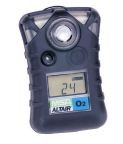
For portable gas detectors, you get a device that is lightweight, easy to use, and ideal for workers who move between different sites or confined spaces. These devices deliver instant gas readings wherever they are carried. However, they do require battery management and regular calibration.
In contrast, fixed gas detectors are installed permanently to provide continuous monitoring in a specific location. They can be connected to alarms and ventilation systems to trigger automatic safety responses, making them very reliable for high-risk facilities.
Gas Count
Gas detectors may be designed to monitor either a single gas or multiple gases at the same time.
Single-gas detectors are best suited for applications where the main concern is exposure to a specific gas. They are commonly used to monitor carbon monoxide (CO), hydrogen sulfide (H₂S), oxygen deficiency, or combustible gases such as methane (CH₄). Simple to operate and maintain, these detectors are suitable for focused monitoring tasks at home or commercial spaces.
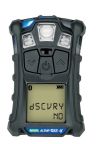
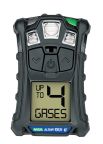
Multi-gas detectors monitor several gases simultaneously and are used in environments where different hazards may be present at once. By combining the functionality of multiple single-gas detectors into one unit, they offer greater efficiency and broader protection. These detectors are widely used in oil and gas, chemical processing, firefighting, confined-space entry, and emergency response. Depending on the model, some devices can measure up to four or five gases at the same time.
Sensing Technology
Gas leak detectors are also categorized based on their sensing features. Some of the sensing technologies used for gas detectors include:
- Catalytic Bead Sensors
- Infrared (IR) Gas Sensors
- Electrochemical Sensors
- Photoionization Detectors (PID)
Gas Leak Detectors and CO₂ Alarms
Gas leak detectors and CO₂ alarms are both types of gas detection devices but serve different purposes.
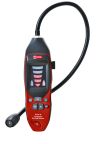
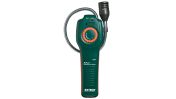
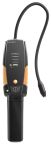
A gas leak detector is a specialized instrument designed to locate small leaks in sealed or pressurized gas systems such as pipelines, vessels, refrigeration units, and industrial process lines. These devices typically include flexible probes and adjustable sensitivity to help pinpoint leak sources.
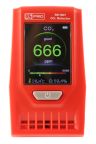
Carbon dioxide (CO₂) alarms are widely used in environments like food processing facilities and laboratories where CO₂ may be present. These alarms often use non-dispersive infrared (NDIR) technology to monitor CO₂ levels in indoor environments.
How Gas Detectors Work and What They Detect
Gas detectors operate using different sensing technologies, each designed to measure specific gases or vapors with high accuracy. The choice of sensor depends on the target gas, the environment, and the required sensitivity. The following are the main sensor types used in gas detection:
Photo-ionization Detection (PID)
PID sensors use an ultraviolet (UV) lamp to ionize volatile organic compounds (VOCs) in the air. The ionization process produces an electrical current, which is proportional to the concentration of the gas.
These detectors are particularly effective for monitoring low concentrations of VOCs in industrial facilities, laboratories, and confined spaces.
Electrochemical Sensors
Electrochemical sensors detect gas through a chemical reaction at an electrode within an electrolyte solution, which generates an electrical signal proportional to the gas concentration. These sensors are widely used for detecting toxic gases such as carbon monoxide (CO), hydrogen sulfide (H₂S), nitrogen oxides (NOₓ), and hydrogen cyanide.
They are commonly employed in chemical plants, laboratories, and confined spaces to ensure worker safety.
Catalytic Beads (Pellistor) Sensors
Catalytic bead sensors consist of a pair of heated beads, one active with a catalyst and one reference bead. When a flammable gas comes into contact with the catalytic bead, oxidation occurs, creating a temperature difference between the two beads. This temperature difference is converted into an electrical signal that indicates the gas concentration.
These sensors are suitable for detecting flammable gases such as methane, propane, LPG, and hydrogen in industrial environments, mines, tunnels, and refineries.
Infrared (IR) Sensors
Infrared sensors measure the concentration of gases by detecting the absorption of specific wavelengths of infrared light. A reference beam compensates for changes in environmental conditions, ensuring accurate readings. These sensors are used to detect hydrocarbons and carbon dioxide (CO₂) in refrigeration systems, process monitoring, and petrochemical facilities.
How Do I Maintain My Gas Detector?
Keeping your gas detector in a reliable working condition is essential for safety. A structured maintenance routine helps ensure accurate readings and timely alarms.
- Bump Tests: Briefly expose the detector to a test gas to confirm that alarms activate as expected.
- Calibration: Adjust the detector using certified calibration gas so that readings match known concentrations. This helps with maintaining accuracy and reliability.
- Sensor Upkeep: Replace exhausted sensors and clogged filters promptly. For pumped units, regularly check the pump, tubing, and hoses. Always confirm that the battery is fully charged before use.
- Recordkeeping: Maintain logs of all bump tests and calibrations. Where possible, use docking stations or automated systems to streamline recordkeeping.
- Spares & Calibration Gases: Make sure you have ready access to calibration kits, spare sensors, filters, and regulators from a trusted gas detector supplier.
Are There Any Certifications to Be Aware Of?
Gas detection systems should meet several key international standards to ensure both safety and performance:
- EN 50271: EN 50271 specifies functional safety requirements for electrical and electronic gas detection systems, focusing on reliability and fault tolerance of control and software functions.
- IEC 60079-29-1 Ed. 2.1: This standard defines performance requirements for flammable gas detectors used in explosive atmospheres, including accuracy, response time, and environmental robustness.
- ATEX Certification (EU): ATEX certification confirms that a device is safe to operate in environments where flammable gases, vapors, mists, or combustible dusts may be present.
Applications of Gas Detectors
Gas detectors are used across a wide range of industries to monitor hazardous gases and protect workers, assets, and facilities.
- Oil & Gas/Petrochemical: Detection of flammable hydrocarbons, hydrogen sulfide (H₂S), and oxygen deficiency during drilling, refining, storage, and processing operations.
- Wastewater & Utilities: Monitoring methane, hydrogen sulfide, chlorine, and other harmful gases in treatment plants, pumping stations, and confined spaces to protect operators and maintenance teams.
- Food & Beverage/Cold Storage: Ensuring safe handling of refrigerants such as ammonia (NH₃) and CO₂ in production, packaging, and refrigeration systems.
- Laboratories & Pharmaceuticals: Monitoring toxic gases, solvents, and oxygen concentrations in research, manufacturing, and cleanroom environments.
- Facilities & Commercial: Detecting refrigerants, combustion gases, and oxygen depletion in boiler rooms, battery rooms, data centers, and general plant areas to improve safety and compliance.
How to Choose the Right Gas Detector
Use this simple checklist when selecting a detector to suit your application:
- Target Gases & Ranges: Define the gases to be monitored and the concentration ranges required, taking into account exposure limits and process safety thresholds.
- Use Case & Environment: Consider the operating environment, including indoor/outdoor use, ambient conditions, and hazardous area classification. This helps determine whether you should get a fixed or portable gas detector.
- Alarm Strategy: Confirm that the alarm functions suit the application. Consider visual indicators, audible alarms, vibration alerts, and remote notifications, particularly in noisy, high-activity, or restricted-visibility environments.
- Sampling Method: Select the appropriate sampling approach, such as diffusion, pumped sampling, or remote sensing, based on site layout, confined space entry, and monitoring distance.
- Data & Maintenance: Factor in calibration requirements, sensor stability, data logging and reporting needs, service intervals, and expected sensor lifetime to minimize downtime and ensure long-term reliability.
- Budget & Availability: Evaluate the total cost of ownership, including purchase price, installation, calibration, maintenance, and spare parts availability.
Why Buy Gas Detectors from RS Philippines?
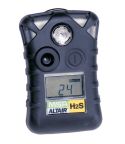
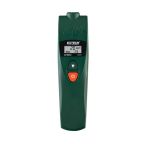
RS Philippines offers a complete solution for gas detection, providing a wide range of options from trusted brands such as MSA Safety, DRAEGER, and Extech. Choose from our catalog of single-gas monitors, multi-gas detectors, fixed sensors, and accessories such as calibration kits and docking stations, all at competitive prices.
You can also benefit from responsive, customer-focused support and a convenient online ordering platform, making it simple to select the right device for any environment. With RS Philippines as your gas detection partner, you gain confidence in product performance, workplace safety, and reliable long-term support.
Aside from gas detectors, we supply other monitoring components, such as power quality analysers, gaussmeters, and more. Shop at RS Philippines today and visit our delivery page for more information on online orders.

Popular Searches
Related links
- RS PRO Handheld Gas Detector Audible Alarm, CE
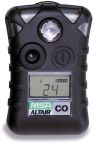
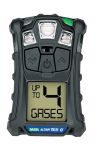
- MSA Safety 10178570 ALTAIR 4XR Gas Detector Gas Detector for Carbon Monoxide Oxygen, LEL (Pentane) Detection
- MSA Safety 10071361 ALTAIR Gas Detector Gas Detector for H10, Hydrogen Sulphide Detection Audible Alarm
- MSA Safety 10211185 ALTAIR 4XR Gas Detector Gas Detector for Oxygen H2S, Carbon Monoxide Detection
- MSA Safety 10178569 ALTAIR 4XR Portable Gas Detector for CO Detection Audible Alarm
- SGX Sensors PS4-H2-1000 Hydrogen Gas Sensor IC for Gas Leak Detector for Gas Appliances
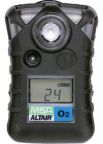
- MSA Safety 10071364 ALTAIR Gas Detector Gas Detector for Oxygen, H18% Detection Audible Alarm
- MSA Safety 10071334 ALTAIR Gas Detector Gas Detector for Carbon Monoxide, H60 Detection Audible Alarm