Conductivity Meters
A conductivity meter, also known as a conductivity tester, is a device used to measure the electrical conductivity of a liquid, making it essential for water quality testing, chemical processing, and environmental monitoring. It determines a solution’s ionic concentration by assessing how easily ions in the liquid conduct electricity, which in turn reflects the solution’s purity and concentration.
How Do Conductivity Meters Work?
A conductivity meter works by sending an electrical charge through a conductivity probe placed into the solution being tested. Any increase or decrease in dissolved ions will cause the electrical charge to rise or fall accordingly. The meter measures this change and displays the solution’s conductivity.
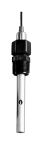
Inside the probe are two electrodes positioned at a fixed distance. When the probe is submerged, an electrical current flows between these electrodes. The meter then translates this electrical current into conductivity values, typically displayed in microsiemens/cm (µS/cm) or millisiemens/cm (mS/cm). The current’s strength will depend on the ion concentration in the solution:
- High Ion Concentration: The solution conducts electricity more easily, resulting in higher conductance and faster electrical current.
- Low Ion Concentration: With fewer ions available to carry the charge, the electrical current slows down, producing a lower conductance reading.
Measurement Principles of Conductivity Meters
Industrial and laboratory conductivity meters primarily use two measurement methods:
- Contacting Conductivity Measurement
- Two-Electrode Sensors: Apply AC voltage across electrodes in direct solution contact, measuring current to infer conductivity. This application is suitable for low to medium conductivity but prone to polarization/fouling.
- Four-Electrode Sensors: Use separate pairs of drive and sense electrodes to reduce polarization effects, improving measurement accuracy in high conductivity or contaminated samples. This configuration uses a potentiometric method where outer electrodes apply voltage and inner electrodes measure potential.
- Inductive (Electrodeless/Toroidal) Conductivity Measurement
- Electromagnetic coils inside a non-conductive toroidal body induce current in the solution with no direct electrode contact. This avoids fouling, corrosion, and maintenance issues common with contacting electrodes.
- It is used in dirty, corrosive, viscous, or high-conductivity samples, as it offers excellent stability and low maintenance.
Types of Conductivity Meters
Conductivity meters come in several form factors tailored to different usage scenarios, installation requirements, and industry needs:
Portable Conductivity Meters
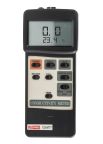
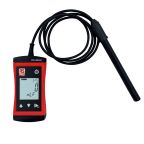
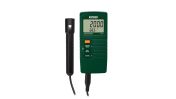
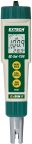
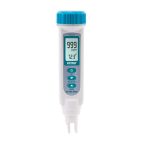
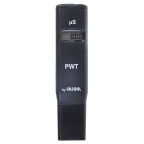
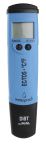
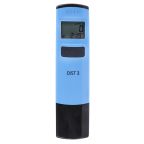
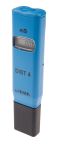
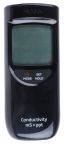
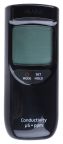
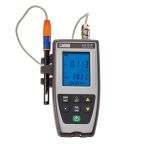
Handheld meters are designed for field work, making them suitable for on-site testing such as water quality surveys, aquaculture, and environmental monitoring. These battery-powered units often combine measurements of electrical conductivity (EC), total dissolved solids (TDS), salinity, and temperature. Rugged, IP-rated designs are available, offering durability for outdoor environments.
Benchtop Conductivity Meters
These types of conductivity meters are laboratory-grade instruments used for high precision and multi-parameter testing, including pH, EC, TDS, salinity, and resistivity. They deliver advanced logging, stable calibration, and exceptional accuracy, suitable for controlled environmental settings. As such, they are used in research labs, manufacturing QA/QC, pharmaceutical testing, and calibration services.
In-Line / Industrial Conductivity Transmitters
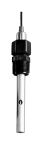
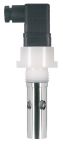
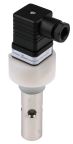
Industrial conductivity transmitters provide analog outputs (4–20 mA) or digital communication (Modbus, HART, PROFIBUS) for integration into control systems. Sensors used may be two-electrode, four-electrode, or inductive (electrodeless), housed in IP-rated enclosures with automated temperature compensation. Permanently installed in process lines, tanks, or piping systems, these transmitters enable continuous conductivity monitoring in various industries, including chemical processing and water treatment.
Advantages of Conductivity Meters
Conductivity meters offer several benefits, especially for industries where fast, non-destructive analysis is essential.
- Quick and Efficient Measurement: A conductivity meter provides rapid readings without altering the sample. This makes it ideal for routine testing in the field or in the laboratory.
- Portability for Field Applications: Many handheld and portable conductivity meters are designed for field testing, allowing technicians to perform on-site measurements, from aquaculture ponds to industrial wastewater treatment facilities.
- Suitable for Various Applications: A conductivity meter can be used in drinking water assessment, hydroponics, aquaculture, and environmental monitoring.
- Cost-Effective Solution: Compared to high-end analytical instruments such as ion chromatography systems, conductivity meters offer an affordable way to track ionic concentration.
Uses of Conductivity Meters
Conductivity meters are indispensable across multiple fields in the Philippines. Key applications include:
- Water Quality Monitoring and Environmental Testing: Conductivity meters are widely used to assess water quality, helping to ensure safe drinking water and detect contamination in rivers, lakes, and reservoirs. In aquaculture and hydroponics, these meters monitor nutrient levels, salts, and dissolved minerals, supporting optimal growth conditions and maintaining environmental standards.
- Industrial Process Control: In industrial settings, conductivity measurements are critical for managing cooling tower water, boiler feedwater, and chemical process solutions. Maintaining stable conductivity helps prevent corrosion, scaling, and other system failures, ensuring efficient operation and reducing maintenance costs.
- Food and Beverage Production: Conductivity meters monitor dissolved ions in process water, ingredients, and cleaning solutions, helping maintain product purity and meet safety standards.
- Pharmaceutical and Laboratory Applications: Laboratories and research facilities use conductivity meters to study ionic concentration, analyze solution behavior, and support chemical and biological experiments. Accurate readings are crucial for quality control, formulation testing, and scientific research.
- Agriculture and Irrigation: In agriculture, conductivity measurements assist farmers in monitoring soil salinity, nutrient levels, and hydroponic solutions. By tracking these parameters, growers can optimize irrigation practices and nutrient delivery, promoting healthier crops and improving yields.
How to Choose the Right Conductivity Meter
When selecting a conductivity meter at RS Philippines, consider the following factors:
- Range and Accuracy: Choose a meter that covers the expected conductivity range of your samples, whether low-conductivity purified water or high-salinity industrial fluids.
- Probe Type and Cell Constant: Different applications may require 2-electrode, 4-electrode, or inductive probes. Matching the cell constant to your expected concentration ensures accurate readings.
- Temperature Compensation: Look for meters with automatic or manual temperature compensation, which adjusts readings to a standard reference temperature. This feature ensures that measurements remain consistent and reliable even when sample temperatures fluctuate.
- Portability vs. Benchtop: Consider whether you need a portable conductivity meter for on-site or field measurements or a benchtop unit for laboratory testing. Portable meters offer convenience for water quality checks, aquaculture, or environmental monitoring, while benchtop models provide higher precision and additional features for controlled laboratory environments.
- Budget: When selecting an electrical conductivity meter, compare the prices of available models to ensure you choose one that fits both your application requirements and budget.
Why Choose RS Philippines for a Conductivity Meter
RS Philippines is a trusted and convenient source for high-quality conductivity meters, serving a wide range of industries across the country. Whether you need a simple handheld unit for field testing, a digital benchtop meter for laboratory precision, or an advanced in-line system for continuous industrial monitoring, RS Philippines has a solution to match your needs.
We carry meters from leading brands such as Hanna Instruments, Georg Fischer, and Jumo, ensuring accuracy, durability, and reliability for every application. You can also expect transparent pricing for all electrical conductivity meters, making it easier to compare options and plan your budget. We also carry other testing equipment, including pH meters, digital light meters, gauss meters, and more.
Order today and enjoy fast delivery across the Philippines. Visit our delivery information page to find out more about your delivery options and fees.

Related links
- Moisture Meters
- Hanna Instruments HI98312 Water Conductivity Meter 20mS/cm Battery 0.01 mS/cm
- Hanna Instruments HI-98311 Water Conductivity Meter 3999μS/cm Battery 1 μS/cm
- Endress+Hauser CM14 Water Conductivity Meter
- Jumo 202924/10-0001-1003-105-37-88-26/000 Water Conductivity Meter 10μS/cm
- RS PRO Conductivity Meter 199.9μS/cm Battery 0.1 mS/cm
- Georg Fischer 198844000 Conductivity Meter 1000μS/cm
- pH Meters