- Published May 30, 2025
- Last Modified May 30, 2025
- 7 min
Selecting the Best Twist Drill Bits for Every Project

Understanding twist drill bits is key for anyone tackling DIY projects or professional metalwork. This guide covers everything from their design and history to choosing the right bit for your needs, ensuring your next project is a success.
What Are Twist Drill Bits?
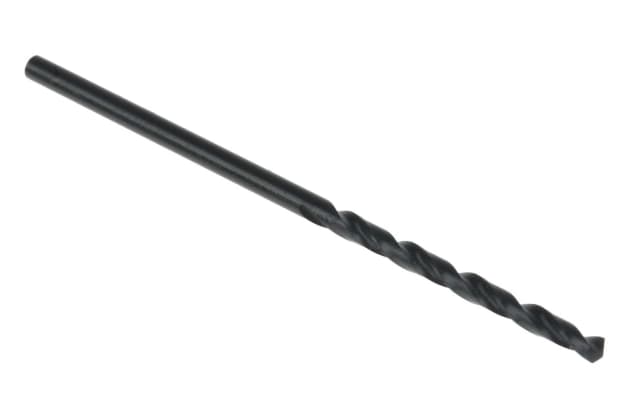
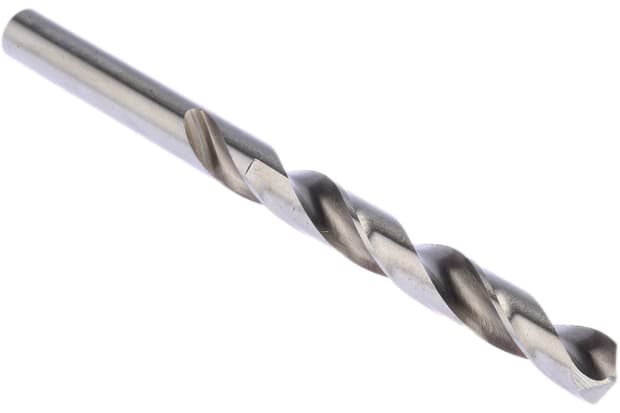
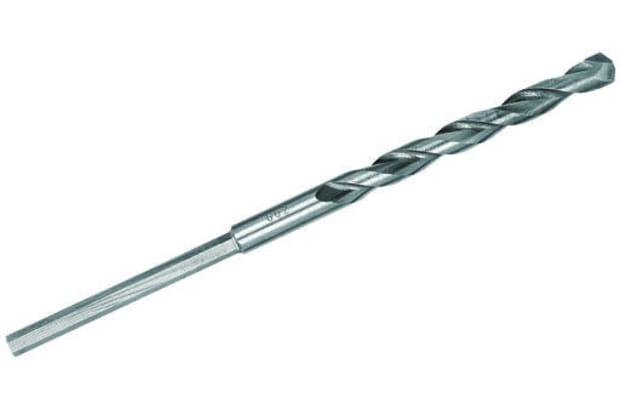
Twist drill bits are the most commonly used drill bits worldwide, prized for their versatility and efficiency in creating precise holes in a wide variety of materials. Their instantly recognizable design features helical or spiral flutes that run along a cylindrical shaft, giving them a distinctive twisted appearance. These flutes are not just for show—they play a crucial role in removing chips and debris (known as swarf) from the hole as you drill, helping to prevent clogging and overheating.
Every twist drill bit includes a sharp cutting tip at one end, which initiates the drilling process, and a shank at the other, which fits securely into the drill chuck. While the basic design is universal, variations exist to optimize performance for specific materials and drilling conditions.
The Evolution of Twist Drill Bits
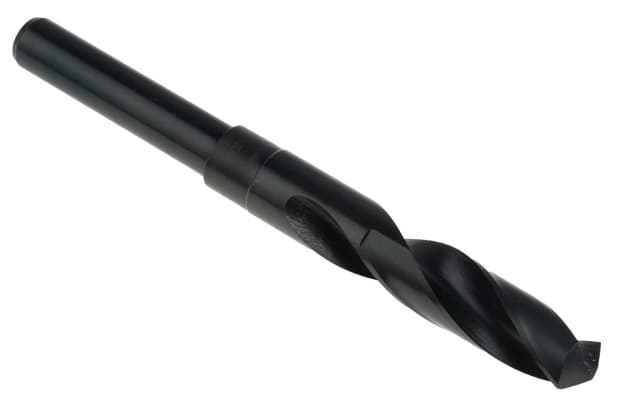
The twist drill bit was invented in the early 1860s by American mechanic Steven Ambrose Morse, who sought to improve the speed and accuracy of drilling. Morse’s breakthrough was to create flutes by twisting a grooved metal rod, which allowed chips to be efficiently evacuated from the hole. This innovation not only made drilling easier and more precise but also set the standard for modern bit design.
Over time, the manufacturing process has evolved from manual twisting to highly automated production, but the core principle remains the same. Today, Morse’s legacy lives on in every twist drill bit, making them an indispensable tool in workshops and industries around the globe.
How Twist Drill Bits Are Made
Modern twist drill bits are manufactured using advanced machinery to ensure precision and durability. The process typically starts with a high-quality steel rod, which is clamped and rotated at high speed. A grinding wheel is then used to carve the helical flutes and sharpen the cutting edges.
The angle of the flutes (known as the helix angle) can be adjusted to suit different applications. Most general-purpose twist drill bits have a helix angle between 28 and 32 degrees, which provides a balance between efficient swarf removal and cutting stability.
However, specialized bits are available for unique needs:
Fast Spiral Twist Bits
Fast spiral bits feature a higher helix angle, usually between 34 and 38 degrees. This design enhances chip ejection, making them ideal for drilling deep holes or working with tough materials where clogging is a concern.
Low Helix Angle Bits
Low helix angle bits, typically set between 12 and 22 degrees, are better suited for softer materials like brass, bronze, and certain sheet metals. The reduced angle minimizes the risk of the bit grabbing or pulling through the material, ensuring smoother, more controlled drilling.
Types of Twist Drill Bits
Twist drill bits come in a variety of forms, each tailored to specific materials and tasks. Understanding the differences will help you select the best bit for your project.
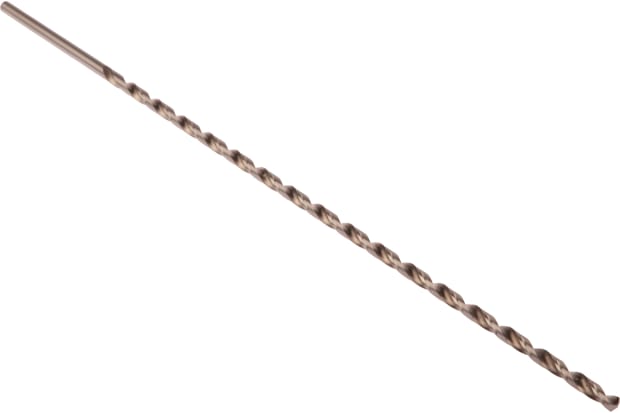
Long Twist Drill Bits
These bits are designed for drilling deep holes, such as when installing door latches or running cables through thick materials. While their extended length allows for deeper penetration, users should be cautious as longer bits are more prone to wandering and breakage, especially with smaller diameters.
Reverse Twist Drill Bits
Reverse twist drill bits are designed to work with your drill set to the reverse rotation direction (counter-clockwise). However, unlike a standard drill bit which would simply drag its cutting edge backwards around the interior of the hole with the drill running backwards, reverse twist drill bits are machined with their fluted cutting surfaces facing in the opposite direction.
When a reverse bit is inserted into a chuck and the drill is run counter-clockwise, this means that the bit performs the same sort of cutting action that a standard drill bit does when moving clockwise. This can be extremely useful as a method of screw extraction when the slots on a screw head have been worn away.
High-Speed Steel (HSS) Twist Drill Bits
High-speed steel is the most common material for twist drill bits, offering excellent durability and heat resistance. HSS bits are suitable for drilling a wide range of materials, including wood, plastic, and most metals. Their ability to withstand high temperatures makes them ideal for metalworking.
Carbon Steel Twist Drill Bits
Carbon steel bits are a cost-effective option for drilling wood and soft materials. While they are more brittle and less heat-resistant than HSS, they perform well in woodworking applications and are less likely to overheat during use.
Carbide and Cobalt Twist Drill Bits
For drilling into the hardest materials, such as stainless steel or cast iron, carbide-tipped and cobalt steel bits are the top choices. Carbide bits offer exceptional hardness and longevity, while cobalt bits can be resharpened and are less prone to dulling. However, both types require careful handling due to their brittleness.
Twist Drill Bits for Metal
Drilling into metal presents unique challenges, requiring bits that can withstand high friction and heat. Standard wood or carbon steel bits are not suitable for metalworking. Instead, opt for specialized options:
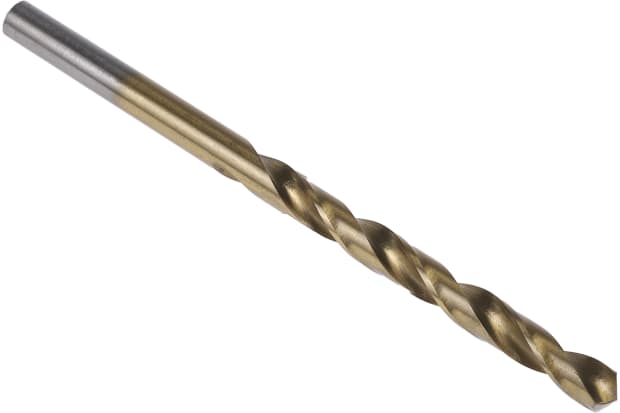
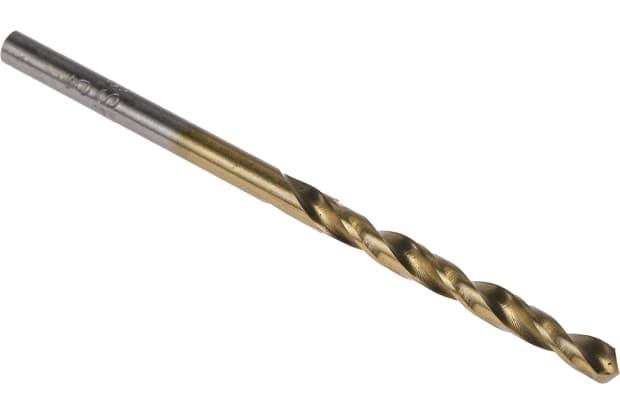
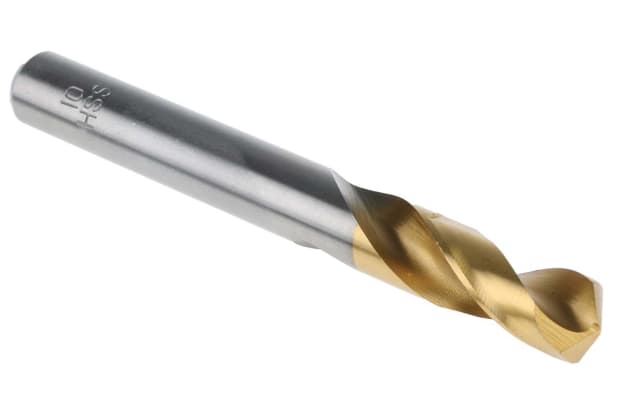
- Titanium-Coated Bits: These HSS bits are coated with titanium nitride or oxide, increasing hardness and reducing friction. They are excellent for general metal drilling but cannot be resharpened once the coating wears off.
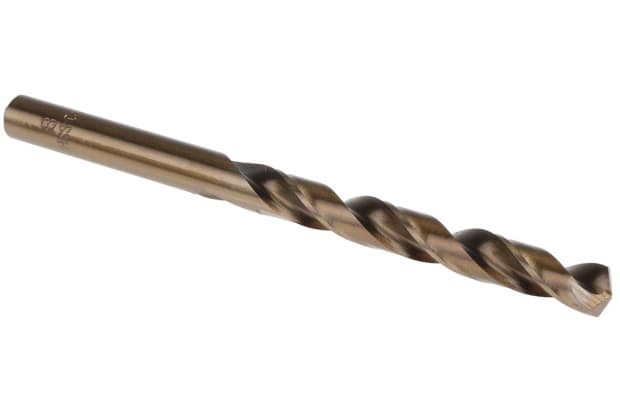
- Cobalt (HSCo) Bits: Made from solid cobalt steel, these bits maintain their hardness at high temperatures and can be resharpened, making them ideal for repeated use on tough metals.
- Carbide-Tipped Bits: Designed for maximum durability and speed, carbide bits excel at drilling through the hardest metals but are more brittle and require experienced handling.
Twist Drill Bit Sizes
Twist drill bits are available in a wide range of diameters and lengths, typically measured in either metric or imperial units. Most drill bit sets include sizes ranging from 1mm to 25mm, with larger sizes available for heavy-duty applications.
When selecting a bit, consider both the diameter and length required for your project. Precision tasks may call for smaller bits, while larger jobs may need longer or thicker bits. Also, ensure the bit’s shank fits your drill’s chuck; most cordless drills accommodate up to 10mm shanks, while larger drills can handle bigger sizes.
Investing in a comprehensive drill bit set ensures you have the right size for any job, from delicate electronics work to large-scale construction.
How to Maintain and Sharpen Twist Drill Bits
Proper maintenance extends the life and performance of your drill bits. After each use, clean the bits to remove debris and swarf. Store them in a dry, organized case to prevent rust and damage. Regularly inspect bits for dullness, chips, or cracks.
Sharpening is essential for HSS and cobalt bits. Use a dedicated drill bit sharpener or a bench grinder to restore the cutting edge. Note that titanium-coated bits should not be sharpened, as this removes the coating and reduces effectiveness.
Safety Tips for Using Twist Drill Bits
Safety is paramount when working with power tools and drill bits. Always wear appropriate eye protection and gloves to guard against flying debris and accidental slips. Secure your workpiece with clamps to prevent movement during drilling. Match your drill speed to the material and bit size—slower speeds for metal, faster for wood. For metal drilling, use cutting fluid to reduce heat buildup and extend bit life. Finally, ensure your drill chuck is tightened securely before starting.
Choosing the Right Twist Drill Bit for Your Project
Selecting the ideal twist drill bit involves considering the material you’re working with, the required hole size, and the depth of the cut. For wood and plastics, HSS or carbon steel bits are often sufficient. For metals, especially harder alloys, invest in cobalt or carbide bits for superior performance. Always check compatibility with your drill and consider purchasing a set to cover a variety of tasks.
Shop for Twist Drill Bits by Material

Titanium Nitride (TiN)
Shop HSS bits with a gold-colored TiN coating for improved wear resistance.
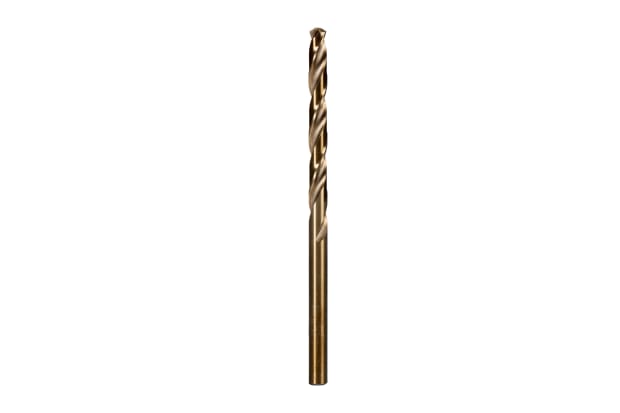
Cobalt (HSCo)
Discover cobalt steel bits for drilling tough metals with high heat resistance.
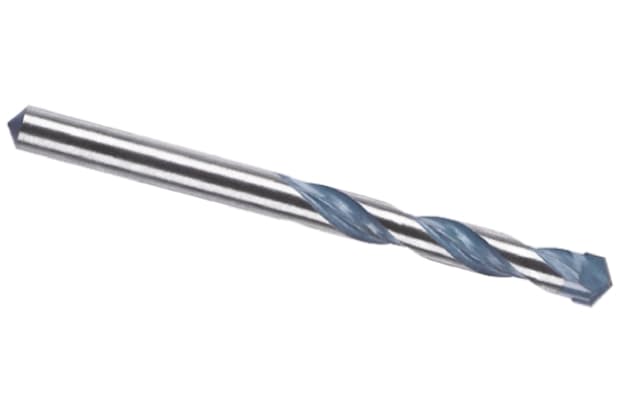
Popular Twist Drill Bit Sizes
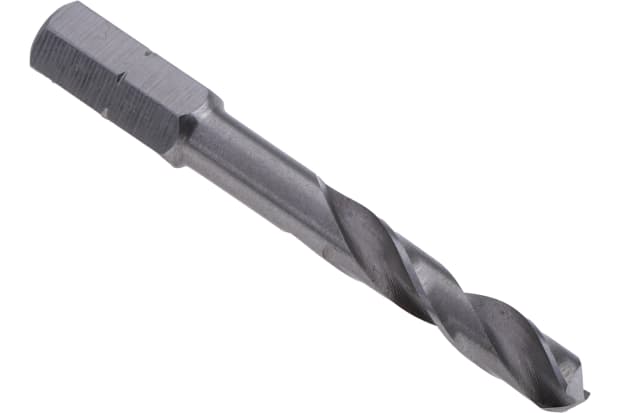
Trusted Twist Drill Bit Brands