- Published Jun 4, 2025
- Last Modified Jun 4, 2025
- 9 min
The Future of Robotics and Automation in the Philippines
Boost your manufacturing knowledge with our guide to robotics and automation in the Philippines. See how AI-driven smart factories improve efficiency, safety, and quality in manufacturing.

Reviewed by Stephen Bettles, Technical Support Engineer (January 2025)
Robotics and automation are rapidly transforming industries across the globe, and the Philippines is no exception. From automotive and electronics to food processing and logistics, the adoption of advanced automation technologies is helping Philippine companies boost productivity, improve safety, and stay competitive in a dynamic global market. In this comprehensive guide, we explore how robotics and process automation are being used in the Philippines, the types of robots and automation systems available, their benefits, and what the future holds for smart manufacturing in the country.
The Rise of Automation in the Philippines
Automation has become essential for modern manufacturing, especially in high-volume sectors like electronics, automotive, and semiconductors, key industries in the Philippines. The first industrial robot was introduced in the 1960s, but today’s landscape features a blend of robotics, sensors, artificial intelligence (AI), and cloud-based production software. This convergence is part of the so-called "Fourth Industrial Revolution" or Industry 4.0, where digital and physical systems work together to create smart factories.
In the Philippines, Industry 4.0 adoption is accelerating as more companies recognize the need to modernize operations to meet international standards and customer expectations. Local manufacturers are investing in robotics and automation to address challenges such as labor shortages, rising costs, and the demand for higher quality and consistency.
How Robotics Are Used in Philippine Industries
In recent years, robotics and automation have become increasingly prominent across a variety of industries in the Philippines. Driven by the need for improved efficiency, cost savings, and safer working environments, companies are integrating robotic technologies to streamline operations and stay competitive in the global market. Below are some of the key ways robotics are being utilized in Philippine industries:
1. Welding and Fabrication
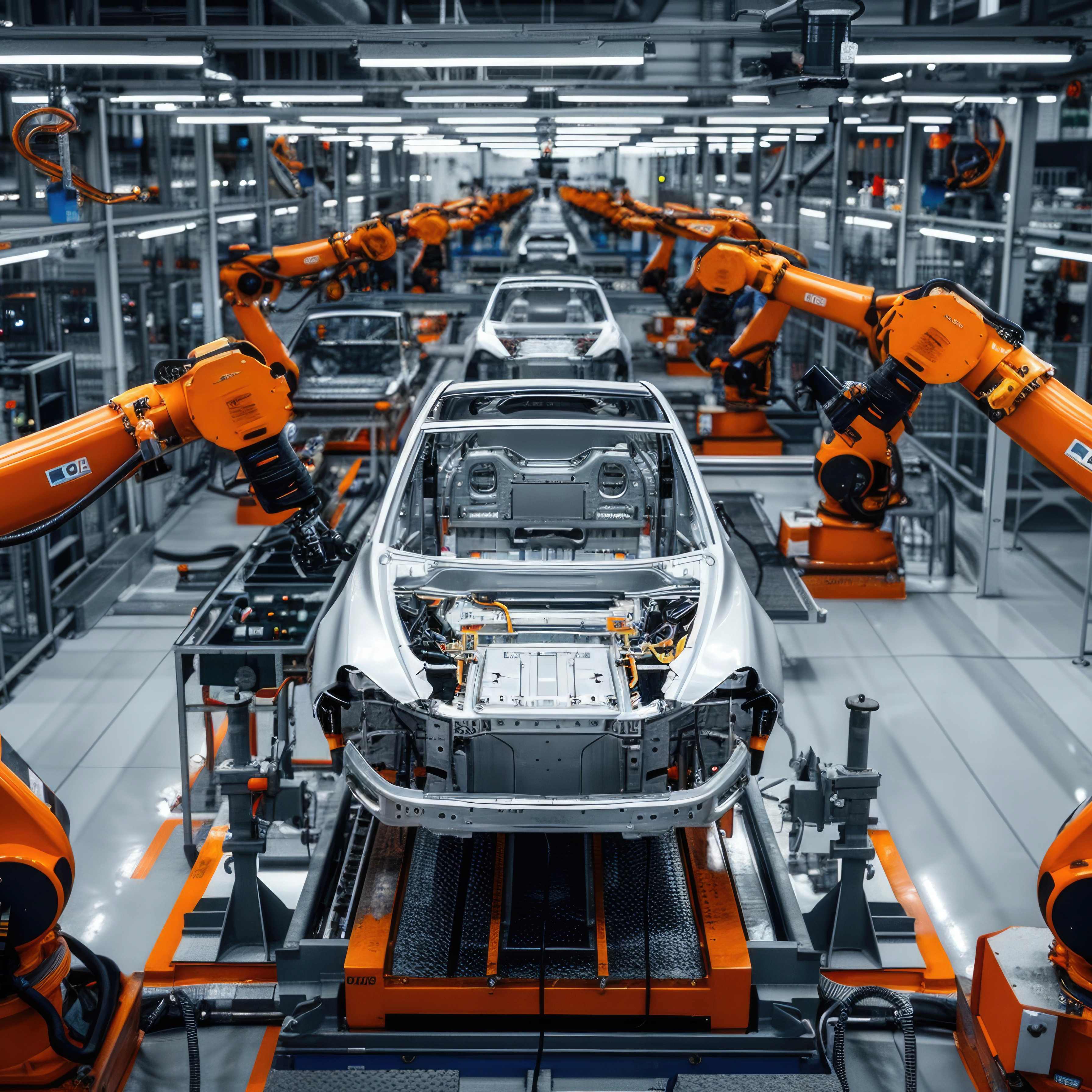
Robots are extensively used in the automotive, metalworking, and shipbuilding industries for tasks such as arc welding, spot welding, and cutting. Robotic welding arms are capable of executing highly precise, consistent welds, which are crucial for structural integrity and safety. These systems not only improve product quality but also minimize the risk of injury by reducing workers’ exposure to high heat, fumes, and repetitive strain.
2. Inventory Management and Logistics
In warehouses and distribution centers, robotic systems such as Automated Guided Vehicles (AGVs), mobile robots, and robotic arms enhance operational efficiency. They assist in inventory tracking, product picking, order fulfillment, and transporting goods across large facilities. For example, e-commerce and retail businesses in the Philippines use these technologies to accelerate delivery times, reduce manual labor, and improve inventory accuracy.
3. Quality Control and Inspection
The use of robotic vision systems has revolutionized quality assurance in manufacturing. High-resolution cameras combined with AI-powered image processing enable robots to detect defects, inconsistencies, and deviations from standards at a much faster rate than manual inspection. Industries such as electronics, pharmaceuticals, and semiconductors rely on robotic inspection tools to ensure compliance with stringent quality and safety regulations.
4. Packaging and Assembly
In the fast-paced environments of electronics, consumer goods, and food and beverage manufacturing, robots handle repetitive and time-sensitive tasks such as component assembly, labeling, sorting, and packing. Collaborative robots, or cobots, are increasingly popular in these sectors due to their ability to work safely alongside humans in tight spaces, increasing productivity without major changes to existing workflows.
5. Handling Hazardous or Repetitive Tasks
Industries dealing with hazardous environments, such as mining, chemical processing, and energy, are turning to robotics to reduce human exposure to toxic substances, extreme temperatures, or physically strenuous conditions. For example, robots are used for underground mapping in mining, valve inspections in oil and gas, and materials handling in chemical plants. This not only improves safety but also enhances precision and operational uptime.
Types of Industrial Robots
Articulated Robots
These are the classic robotic arms seen in many factories. With multiple axes of movement, articulated robots are highly flexible and can be equipped with different tools for welding, painting, assembly, or material handling. They are commonly used in automotive, electronics, and general manufacturing.
SCARA Robots
Selective Compliance Articulated Robot Arm (SCARA) robots are known for their speed and precision in pick-and-place, assembly, and packaging applications. Their compact design makes them ideal for electronics and small parts manufacturing.
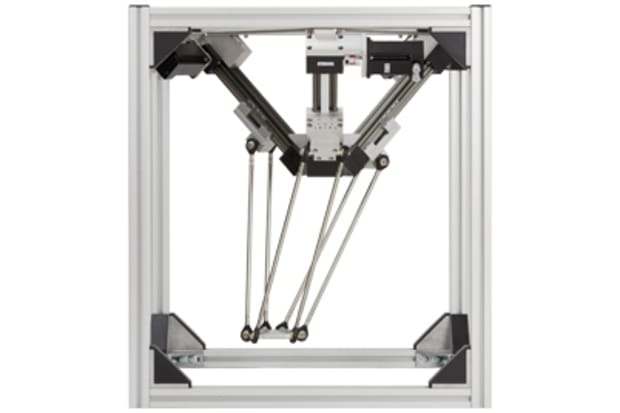
Delta (Spider) Robots
Delta robots, often called spider robots, are lightweight and fast, making them perfect for high-speed packaging, sorting, and food processing tasks. Their unique design allows them to handle delicate items with care.
Cartesian Robots
These robots move along X, Y, and Z axes in straight lines, providing high accuracy for tasks like CNC machining, 3D printing, and automated inspection. They are widely used in electronics and plastics manufacturing.
Autonomous Mobile Robots (AMRs) and AGVs
AMRs and AGVs are revolutionizing logistics in Philippine warehouses. These robots navigate factory floors to transport materials, reducing manual labor and improving efficiency.
Collaborative Robots (Cobots)
Cobots are designed to work safely alongside humans, assisting with tasks such as machine tending, packaging, and assembly. Their user-friendly interfaces and advanced safety features make them increasingly popular in Philippine SMEs (small and medium enterprises).
Process Automation: Beyond the Factory Floor
In the Philippines, automation is no longer confined to industrial robots on factory floors. A growing number of companies across sectors such as business process outsourcing (BPO), finance, healthcare, and logistics are embracing software-driven automation to improve efficiency and reduce operational costs. This shift is helping businesses streamline internal processes, optimize human resources, and respond more quickly to customer needs.
One of the most significant developments in this space is the rise of Robotic Process Automation (RPA). RPA involves the use of software "robots" or bots to handle repetitive, rule-based digital tasks that were traditionally done by humans. In the Philippine BPO industry (a major contributor to the country’s GDP), RPA is increasingly used to automate data entry, invoice processing, payroll administration, and customer support via AI-powered chatbots. This not only speeds up workflows but also minimizes errors, freeing up human employees for more complex, value-added tasks.
Computerized Maintenance Management Systems (CMMS) are also being implemented in manufacturing and utilities sectors to improve equipment reliability. These systems automatically schedule preventive maintenance, track spare parts, and monitor machinery performance in real-time. In Philippine factories, especially those in the electronics and food processing sectors, CMMS has been instrumental in reducing unexpected downtime and extending the life of critical assets, contributing to more consistent production outputs.
Another area where automation is making a mark is in supply chain management. With the growing demands of e-commerce and the need for faster fulfillment times, Philippine logistics firms are investing in technologies that automate order processing, track inventory in real-time, and manage deliveries more efficiently. Automated systems reduce lead times, improve accuracy in shipment tracking, and enhance customer satisfaction. As local and global supply chains become more complex, digital automation provides Philippine companies with the agility to adapt and stay competitive.
The Role of AI and Machine Learning
Artificial intelligence (AI) and machine learning (ML) are driving the next wave of automation in the Philippines, making systems smarter, more adaptive, and capable of decision-making in real time. While the adoption rate is still growing, several industries are beginning to harness AI to unlock greater efficiencies and new capabilities.
One prominent application is in machine vision, where AI enables robots to "see" and make sense of visual data. In manufacturing, this is used to inspect products for defects with far greater speed and accuracy than human inspectors. For example, electronics manufacturers in the Philippines use machine vision systems to detect microscopic flaws in circuit boards and components, ensuring that only high-quality products reach the market.
AI is also transforming maintenance practices through predictive maintenance. By analyzing sensor data from equipment and using ML algorithms to detect patterns, systems can predict potential failures before they occur. This proactive approach minimizes unplanned downtime and maintenance costs, an especially valuable benefit for industries reliant on continuous operations such as power generation, water treatment, and industrial manufacturing.
In the logistics and retail sectors, smart warehousing is becoming more prevalent. AI-driven solutions optimize warehouse layouts, determine the most efficient picking routes, and even forecast inventory needs based on past trends and customer demand. Companies like Lazada and Shopee, which have a significant presence in the Philippines, are leveraging these technologies to accelerate order fulfillment and reduce operational costs.
Another important AI application is natural language processing (NLP), which powers chatbots and virtual assistants used in customer service, HR, and technical support. In the Philippines, home to one of the world's largest English-speaking workforces, NLP-enabled solutions help local businesses handle high volumes of customer interactions efficiently. Banks, telcos, and healthcare providers are increasingly deploying AI chatbots to manage customer queries, appointment scheduling, and basic troubleshooting.
As AI continues to evolve, its integration into the Philippine automation landscape is expected to deepen. With support from government initiatives and partnerships with global tech firms, local companies are beginning to explore more advanced AI solutions that can learn from data, make autonomous decisions, and adapt to rapidly changing business conditions. This shift promises to further enhance productivity, reduce costs, and create new opportunities in an increasingly digital economy.
Challenges and Considerations for Philippine Companies
While robotics and automation offer substantial advantages, their adoption in the Philippines comes with certain challenges that businesses must navigate. These include financial, technical, and operational factors that can impact implementation success.
1. Initial Investment
A major consideration is the high upfront cost associated with automation. Procuring industrial robots, control systems, and automation software often requires significant capital, especially for small and medium-sized enterprises (SMEs). Fortunately, public-sector support through the Department of Trade and Industry (DTI) and Department of Science and Technology (DOST) provides funding assistance, technology grants, and access to shared facilities to help offset this barrier.
2. Change Management and Workforce Transition
Introducing automation often requires shifts in workplace processes, employee roles, and organizational mindsets. Managing this change effectively is key to successful adoption. Philippine businesses are increasingly investing in reskilling and retraining initiatives to support employees in transitioning to more value-adding roles. Engaging workers in the transformation process helps promote a culture of innovation and adaptability.
3. Integration with Legacy Systems
Many Philippine factories still use older equipment and software that may not easily integrate with new automation technologies. This can result in compatibility issues and increased costs related to system upgrades or retrofitting. Strategic planning and phased implementation can help minimize disruption while enabling modernization.
4. Cybersecurity Concerns
As operations become more digitally connected, ensuring cybersecurity is critical. Automated systems often rely on cloud platforms, IoT devices, and centralized control networks, all of which must be protected from potential cyber threats. Businesses are advised to invest in cybersecurity infrastructure and training to safeguard data and maintain operational integrity.
The Future of Robotics and Automation
Looking ahead, the future is bright for robotics and automation in the Philippines. As costs decrease and technology becomes more accessible, even small and medium businesses can take advantage of automation to stay competitive. The integration of AI, machine learning, and IoT (Internet of Things) will lead to even smarter, more autonomous systems capable of adapting to changing market demands.
By embracing these technologies, Philippine industries can create safer workplaces, higher-quality products, and more resilient supply chains, ensuring a strong position in the global economy.
Summary
Robotics and automation are revolutionizing Philippine industry, from manufacturing and logistics to business processes and customer service. By understanding the types of robots and automation systems available, their benefits, and the challenges involved, local businesses can make informed decisions about investing in smart technologies. With strong government support and a growing ecosystem of technology providers, the Philippines is poised to become a leader in advanced manufacturing and automation in Southeast Asia.
Want to learn more? Explore our range of automation and control solutions designed for Philippine industries.