- Published Nov 17, 2025
- Last Modified Nov 17, 2025
- 10 min
A Complete Guide to Cables & Wires
Discover the different types of wires and cables, their parts, and how to choose the right cable or wire type for every application.

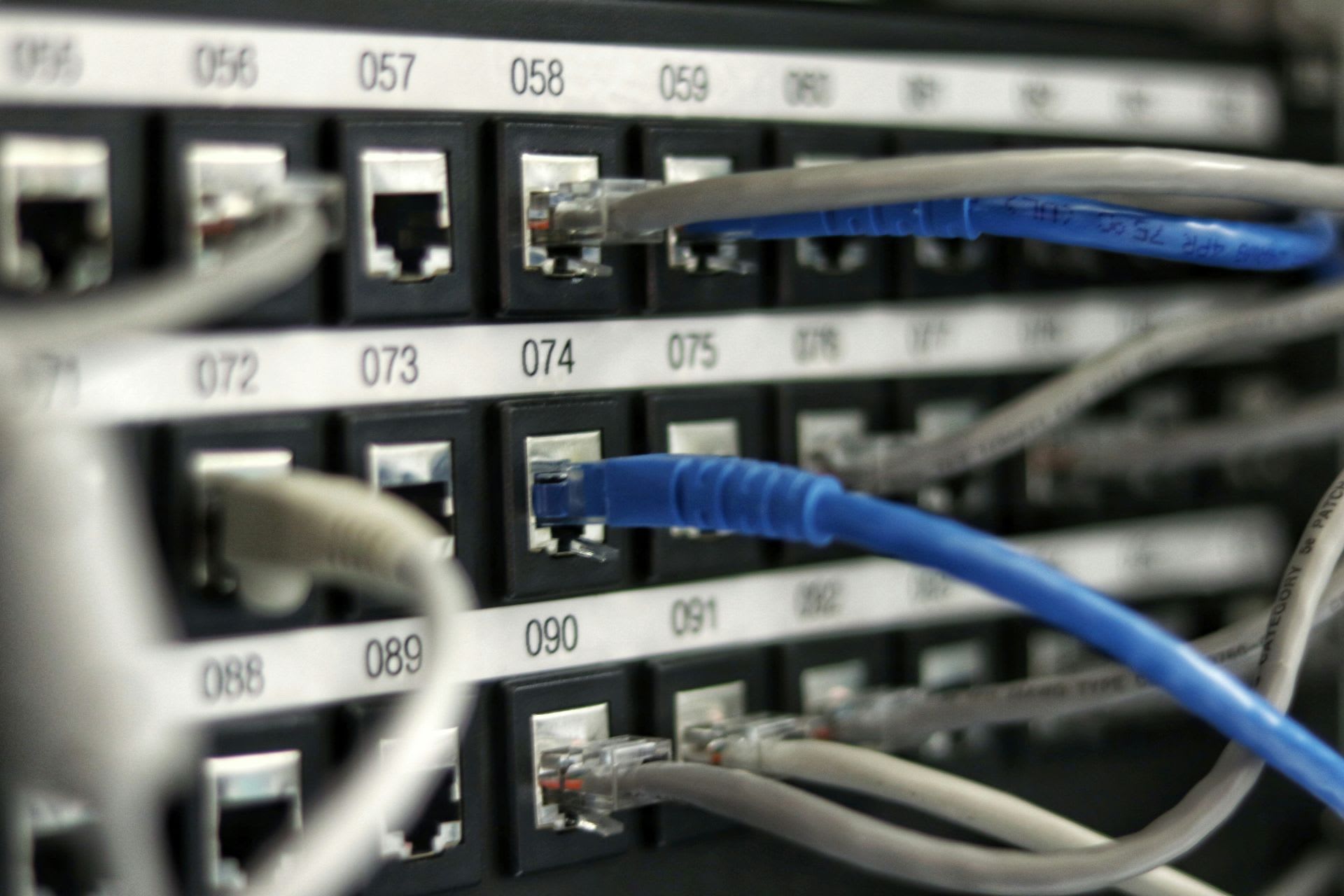
Wires and cables are often mistaken for one another, but they serve different purposes.
A wire is a single conductor made of an electrically conductive material such as copper or aluminum. It can be a single solid strand, or multiple thin strands twisted together. They can be bare or covered with a color-coded insulating sheath for safety and identification. Regardless of the strand count, if there is only one conductor, it is classified as a wire.
Wires are widely used in carrying electricity, transmitting signals, conducting heat, and even forming parts of manufactured products like pins and light bulbs.
A cable, on the other hand, is made up of two or more conductors bundled together, usually with an insulating layer around them. In many cases, each conductor inside the cable is individually insulated before being twisted or grouped. Cables are manufactured for specific applications depending on their construction. For example, HDMI and speaker cables are designed to deliver high-quality audio and video signals without interference.
When buying a wire or cable, choosing the right type is important to ensure safety, compliance with electrical standards, and reliable performance.
Types of Wires
There are two main types of wires widely used in electrical and electronic systems:
Solid Wire
Made with a single, solid metal core, this type of wire is thicker and sturdier than stranded wire. It is cost-effective, durable, and well-suited for outdoor applications where it must withstand weather, high currents, and demanding environments. Solid wire is often used in building infrastructure, vehicle controls, and other installations that require strength and reliability. However, it's less flexible and prone to breakage if bent repeatedly.
Stranded Wire
Composed of multiple thin strands twisted together and insulated with non-conductive material, stranded wire is valued for its flexibility. It can bend and twist without breaking, making it ideal for tight spaces and applications requiring frequent movement, such as in electronic devices, circuit boards, appliances, and speaker systems. Stranded wire has slightly lower ampacity and higher voltage drop than solid wire but minimizes skin effect at higher frequencies.
Types of Cables
There are many different types of cables designed for power, data, and signal transmission. At RS Philippines, you’ll find a wide selection of cable wire types suitable for residential, commercial, and industrial applications.
Electrical Cables
Electrical cables are essential components in any power distribution system, carrying electricity safely and efficiently from one point to another. They are used in homes, offices, construction projects, and large-scale industrial facilities. Depending on the application, electrical cables are manufactured in various sizes, insulation types, and protective layers to handle different voltage levels and environmental conditions.
Choosing the correct cable type is crucial, not only for performance but also for ensuring compliance with local regulations and preventing hazards such as overheating, fire, or signal interference. Two of the most common types of electrical cables are:
- Non-Metallic Sheathed Cables (NM): Widely used in residential buildings for interior wiring. NM cables come in different variations, with some designed specifically for computer networks, data transfer, telephone systems, and cable TV. Their versatility and ease of installation make them a go-to choice for household applications.
- Armored Cables (AC): These cables feature a protective metal layer that shields the conductors inside. The armor provides both mechanical protection (resisting tensile and compressive stress) and enhanced resistance to electromagnetic interference. Common armoring materials include steel tape, steel wire, aluminum tape, and aluminum tubing. Armored cables are preferred in industrial and commercial environments where durability and safety are critical.
AV (Audio-Visual) Cables
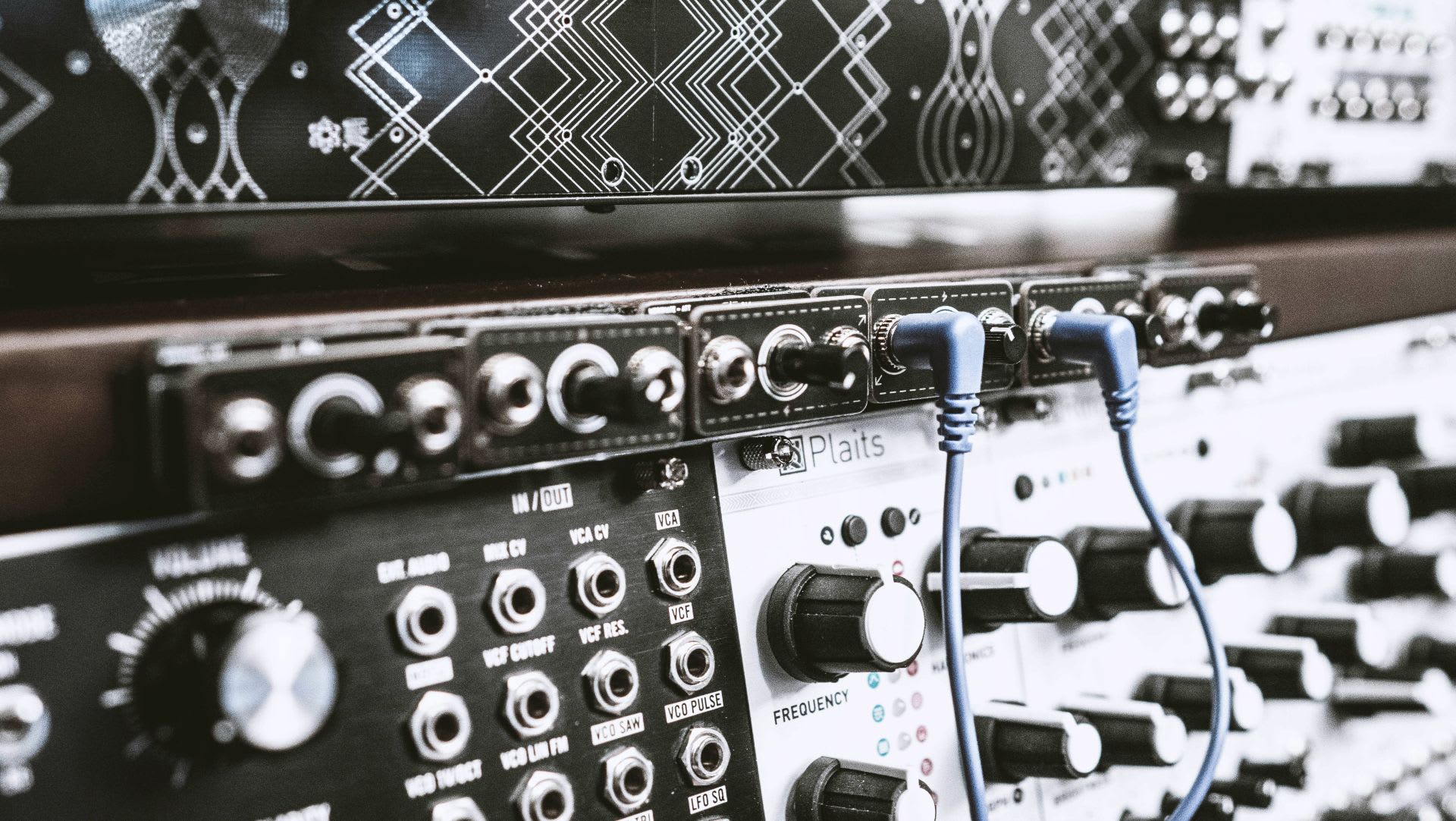
AV cables help deliver clear sound and crisp visuals across a wide range of devices. They are used in home theaters, offices, classrooms, and broadcasting setups in the Philippines. Most AV cables are equipped with shielding to block electromagnetic interference, ensuring reliable signal transmission and maintaining high-quality audio and video performance. Selecting the right cable type depends on the device, signal quality required, and compatibility with existing equipment.
HDMI Cables
High-Definition Multimedia Interface (HDMI) cables have become the modern standard for transferring both video and audio signals digitally. Unlike older analog connections, HDMI uses advanced digital encoding to deliver sharper visuals and richer sound. A single HDMI cable can carry high-definition video and multi-channel audio, reducing clutter and simplifying installations. These cables are commonly found in TVs, projectors, computer monitors, Blu-ray players, gaming consoles, and home theater systems.
VGA Cables
Video Graphics Array (VGA) is one of the earliest video connection standards, long used in the computer industry. While newer technologies have largely replaced it, VGA remains relevant for legacy systems still found in schools, offices, and older equipment setups. VGA cables connect computers to monitors or projectors, playing a key role in the history of display technology.
Optical Cables
Optical cables transmit digital audio using light signals instead of electrical current. Built with fine glass or plastic fibers and a protective jacket, they deliver crystal-clear sound while resisting electromagnetic interference. Optical cables are ideal for connecting Blu-ray players, soundbars, HDTVs, and surround sound systems, making them a top choice for high-fidelity home theater setups.
Speaker Cables
Speaker cables are designed to transmit audio signals from an amplifier or receiver to speakers, ensuring clear and powerful sound output. They play a critical role in delivering the full audio experience, as poor-quality cables can result in noise, distortion, or signal loss. In addition to carrying sound, well-designed speaker cables help minimize interference, providing cleaner and more accurate audio. While they are primarily designed to connect to audio sources such as stereos, amplifiers, or microphones, understanding their specifications can significantly impact sound performance.
Electrical Power & Industrial Cables
Electrical power and industrial cables are heavy-duty solutions built to withstand high voltages, harsh environments, and demanding workloads. They are commonly used in factories, construction sites, transportation, and large-scale infrastructure projects. These cables are designed with robust insulation, protective sheathing, and shielding to prevent damage, reduce interference, and extend service life.
Power Cables
Power cables are designed to transmit electrical energy from a source to connected equipment. They are widely used in overhead lines, underground distribution systems, and industrial installations. Typically constructed as multi-conductor cables, they feature copper or aluminum conductors and robust insulation, ensuring safe and efficient energy transfer even under demanding conditions.
Control Cables
Control cables are primarily used in automation and instrumentation to transmit signals for equipment control, measurement, and regulation. Since they are often installed in dynamic or harsh environments, they are manufactured for flexibility and resistance to mechanical stress. These multi-conductor cables commonly use copper conductors for superior conductivity and are applied across industries, including construction, transportation, mining, and manufacturing.
EV Charging Cables
EV charging cables connect electric vehicles to charging stations, wall boxes, or even standard outlets for emergency charging. They are engineered to handle high-power loads safely while preventing overheating and electrical faults.
Sensor & Actuator Cables
Sensor and actuator cables are vital in industrial automation systems. Sensor cables transmit data from field sensors to controllers for accurate monitoring, while actuator cables carry control signals from PLCs or automation systems to motors, valves, or solenoids, triggering specific actions. Their precision ensures machines respond instantly in high-speed production environments, minimizing downtime and preventing costly errors.
Networking & Coaxial Cables
Networking and coaxial cables are critical in modern communication systems, keeping homes, offices, and telecom networks connected. They help transmit internet, television, and data signals with speed and reliability. Each cable type is designed with specific shielding, bandwidth, and transmission capabilities to suit different applications, from home Wi-Fi setups to enterprise data centers and nationwide telecom infrastructure.
Ethernet (Cat5e, Cat6) Cables
Ethernet cables are continuously upgraded to boost bandwidth and reduce noise, with Cat5e and Cat6 being the most common standards.
- Cat5e (Category 5 Enhanced): Ratified in 1999, Cat5e improved significantly over the original Cat5 by offering up to 10 times faster speeds and better resistance to crosstalk. Built with 24-gauge twisted pair wires, Cat5e supports Gigabit Ethernet over distances of up to 100 meters.
- Cat6 (Category 6): Introduced shortly after Cat5e, Cat6 is a standardized twisted pair cable that is backwards compatible with Cat5/5e and Cat3. Like Cat5e, it supports Gigabit Ethernet up to 100 meters but also enables 10-Gigabit connections over shorter distances. Traditionally, Cat5e was used for workstations, while Cat6 served as backbone cabling between routers and switches.
Coaxial Cables
Coaxial cables are designed for transmitting high-frequency signals with minimal interference. Their layered construction includes a central conductor, an insulating layer, a metallic shield, and an outer jacket. The conductor carries the signal, while the shield protects it from external electromagnetic interference, ensuring stable transmission. This structure makes coaxial cables highly effective for carrying signals over long distances without significant loss.
Fiber Optic Cables
Fiber optic cables contain thin strands of glass fibers inside an insulated casing. They are designed for long-distance, high-performance networking and telecommunications. Compared with copper cables, fiber optics provide far greater bandwidth and can transmit data across longer distances. Today, they are essential for the global internet, cable television, and telephone infrastructure.
Twinaxial Cable
Twinaxial (Twinax) cables differ from coaxial designs by using two central conductors instead of one. This structure supports differential signaling, enabling high-speed data transfer over short distances with low latency. Because of their performance, Twinax cables are widely used in data centers and enterprise networks for LAN connections, server interlinks, and other high-frequency applications. With strong shielding, they minimize electromagnetic interference and maintain reliability in environments where speed and signal integrity are critical.
Single Core Cables
Single core cables feature just one conductor, making them simple yet highly effective for a wide range of electrical applications. Their straightforward design makes them easy to install, cost-efficient, and reliable, which is why they are commonly used in building wiring, control panels, and general-purpose electrical systems.
Braided Wires
Braided wires are used as shielding within a cable to serve two primary purposes: protecting against electromagnetic interference (EMI) and enhancing mechanical strength and flexibility. Made of fine wires tightly woven into a tubular mesh, braided shielding wraps around the conductor to ensure durability and extended flex life. This mesh can also be flattened for specific applications. A thin insulating outer layer typically covers the braid, safeguarding both the shielding and the internal components of the cable.
Copper Wires
Copper wires are widely used in the cable industry due to their excellent conductivity, flexibility, and cost-effectiveness. When annealed, copper becomes highly flexible, making it suitable for wiring and flexible cable applications. Tinned copper wires are often used to improve solderability and prevent unwanted reactions with insulation materials, extending cable life in demanding environments.
Hook Up Wires
Hook-up wires are single insulated conductors designed for low-voltage, low-current applications. They are commonly used in enclosed equipment and electronic assemblies. Available in various conductor types, insulation options, and jacket materials, most hook-up wires are rated for up to 600V. Their temperature rating, however, depends on the specific construction, making them versatile for many small-scale electrical projects.
Solar Cables
Solar cables, also known as photovoltaic (PV) cables, are specially engineered to safely transmit the power generated by solar panels to inverters and other system components. They consist of multiple insulated wires encased in a durable outer jacket, designed to withstand outdoor conditions, UV exposure, and temperature fluctuations. These cables are essential for ensuring safe, efficient, and long-lasting performance in solar energy systems.
Parts of an Electrical Cable Wire
Every type of electrical cable is made up of essential components designed to ensure safety, durability, and optimal performance. Understanding these parts can help you choose the right cable for your application:
- Conductor: Typically made of copper or aluminum, the conductor is the core part of the cable that carries electrical current. Copper is widely used for its high conductivity and durability, while aluminum offers a lighter and more cost-effective alternative.
- Insulation: Surrounding the conductor, the insulation is made from materials like PVC, XLPE, or rubber. It prevents accidental contact with live wires, reduces the risk of electrical shock, and protects against short circuits.
- Sheath/Jacket: This is the outer protective layer of the cable that shields it from mechanical damage, moisture, chemicals, and other environmental hazards. A durable sheath ensures the cable lasts longer, especially in harsh conditions.
- Filler and Binder: These components are mainly used in multi-core cables. Fillers maintain the shape of the cable and prevent cores from moving, while binders hold the cable together, enhancing flexibility and structural integrity.
- Shielding: Found in audio, video, and data cables, shielding protects signals from electromagnetic interference (EMI) and radio frequency interference (RFI). This ensures cleaner signal transmission and reduces noise, which is especially important in sensitive electronic applications.
Shop Different Types of Electrical Cables and Wires at RS Philippines
RS Philippines offers a wide range of electrical wires and cables to suit residential, commercial, and industrial needs. Whether you need power cables, data cables, or specialty wiring, you can find high-quality products designed for safety, durability, and efficiency. Shop confidently with RS Philippines and get the right cable for every application. For more informative guides, check out our insights into the types of contactors and the different types of resistors.