Thickness Gauges
Thickness gauges are essential precision measurement tools used to accurately determine the thickness of parts, materials, or coatings. These sophisticated instruments often feature clear digital or LCD displays that provide reliable readings in a wide range of engineering, quality control, and inspection applications.
While some thickness gauges utilize a mechanical jaw that operates by closing, zeroing, then opening to fit around the material or part for a direct readout, other advanced options, such as ultrasonic thickness gauges and coating thickness gauges, enable non-destructive measurement, allowing users to measure thickness without damaging the material.
Types of Thickness Gauges
RS Philippines offers a diverse selection of thickness gauges to cater to every measurement need:
Ultrasonic Thickness Gauges
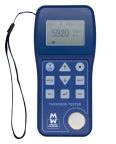
Employs sound waves for non-destructive material thickness measurement, ideal for a variety of materials including metals, plastics, and glass. They are crucial for inspecting pipes, tubes, and tanks, with typical accuracy ranging from a few hundredths to tenths of a millimeter.
Coating Thickness Gauges
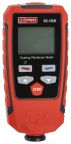
Designed to measure the thickness of non-metallic coatings like paint, plating, or anodizing on metallic substrates such as steel or aluminum. These gauges are widely used in quality control and surface treatment, offering accuracy often within a few microns or mils.
Mechanical Gauges
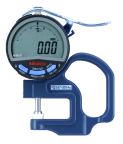
Operates using a mechanical jaw or spindle that physically measures thickness, providing direct readings. They are simple to use for general-purpose measurements and calibration checks, though they typically require access to both sides of the material being measured.
Mini and Pocket Gauges
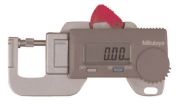
Compact and portable, these are perfect for quick on-site checks or limited-space applications where a handheld tool is essential. These convenient instruments offer accuracy typically ranging from a few microns to tenths of a millimeter, depending on the model.
Electronic/Digital Gauges
Features clear LCD or LED displays for precise readouts, often incorporating data logging capabilities. This provides enhanced precision and convenience for recording and analyzing measurements.
How to Choose the Right Thickness Gauge
When choosing a thickness gauge, consider these factors to ensure you have the right tool for the job:
- Type of Material: Different materials, such as metals, plastics, paint, or composites, require specific gauge types. Ensure your chosen thickness meter is compatible with ferrous or non-ferrous metals or other specific substances.
- Measurement Range, Resolution, and Accuracy: Evaluate the minimum and maximum thicknesses you typically measure. The thickness measuring device’s accuracy level must align with the precision needed for your application to avoid errors and ensure quality.
- Access Limitations: Assess whether you require a thickness gauge that offers single-sided access (e.g., ultrasonic gauges for pipes or tanks) for challenging or limited-access inspection points, or if dual-sided access (mechanical gauges) is feasible for your components.
- Portable or Benchtop Models: For fieldwork or on-site measurements, a compact and lightweight thickness gauge is convenient. On the other hand, a stationary benchtop model might be more appropriate in laboratory or production line work.
- Compatibility with National Calibration Standards: Ensure your chosen thickness meter can be easily calibrated and that calibration certificates are available for traceability and compliance with industry standards in the Philippines.
Key Features of RS Philippines’ Thickness Gauges
Thickness gauges offer superior features designed to enhance your measurement efficiency and accuracy. Here are the key benefits you can expect:
- Non-Destructive Testing: Enables precise material thickness measurements without causing any damage and preserving material integrity.
- Digital and LCD Display: Experience immediate and unambiguous results with digital thickness gauge options, ensuring quick data acquisition and reduced error.
- Portable and Battery-Operated: Many thickness meter models are lightweight and battery-powered, making them ideal as a measurement tool for on-site inspections or remote locations.
- High Level of Accuracy: Delivers consistent and highly accurate measurements vital for quality control processes, especially in demanding industrial environments.
- Single Sided Access: Ultrasonic thickness gauges allow for efficient thickness measurement on components where only one side is accessible, such as tanks or sealed structures, simplifying complex inspections.
- Simple and Quick to Use: Designed with user-friendliness in mind, ensuring these gauges are intuitive to operate for rapid and efficient measurements in any setting.
Where Thickness Gauges Are Used Across Industries
Thickness gauges are indispensable across a wide array of industries in the Philippines, empowering professionals to ensure quality, safety, and efficiency in their operations.
- Discrete Manufacturing: A metal thickness gauge is essential for quality control during fabrication and machining. It ensures the precise thickness of components, vital for assembly accuracy and product performance.
- Process Manufacturing: Within process manufacturing, such as food, chemical, and pharmaceutical packaging, coating thickness gauges are crucial for validating the protective layers. They ensure product integrity and compliance with industry standards.
- Energy and Utilities: The energy and utilities sectors rely on thickness gauges for critical maintenance tasks. They are critical for detecting corrosion and verifying the structural integrity of pipelines, tanks, and other structural supports, ensuring operational safety.
- Facilities/Intralogistics: These thickness measurement devices are used for quality checks in equipment restoration and safety audits.
Why Calibrate Your Thickness Gauge Regularly
Over time, the internal sensors within these sensitive instruments can naturally drift, leading to reduced accuracy and potentially compromising your measurement results. Frequent calibration of your mechanical and electronic thickness meters ensure your gauge continues to provide precise readings, which is essential for compliance in quality-sensitive industries such as aerospace, automotive, and manufacturing.
The calibration process typically involves using certified calibration blocks of known thicknesses to verify and adjust the gauge's readings. This ensures full traceability, providing a verifiable record that your measurements are accurate and consistent with national and international standards.
To support your ongoing accuracy needs, RS Philippines offers professional calibration services, helping you maintain the integrity of your measurement instruments and adhere to strict quality protocols.
Why Buy Thickness Gauges from RS Philippines
Here at RS Philippines, we support engineers with quality products and technical information helping you to find the right thickness gauge for your application. When you choose to buy thickness gauges from us, you gain access to an unparalleled selection from leading brands like Extech and our own reliable RS PRO range.
Additionally, we also carry other measurement tools, including electrical measurement tools and environmental sensors to ensure you have all the precise instruments needed for comprehensive testing and monitoring.
Our commitment extends beyond just supplying products; we offer expert technical support to guide your choice, complemented by fast local delivery directly to your doorstep across the Philippines. For a complete overview of our delivery options and fees, please check our Delivery page.
12 Products showing for Thickness Gauges
Related links
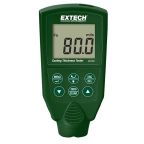
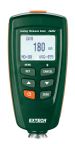
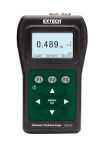
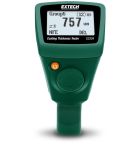
- Extech CG204 Thickness Gauge 0.1 μm Resolution, Digital Display
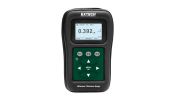
- Extech TKG250 Thickness Gauge, Colour LCD Display
- Extech CG304 Thickness Gauge ±3.5 % 0.1 μm Resolution, LCD Display
- Moore & Wright MWT-2100 Thickness Gauge 101 → 1250 μm Accuracy Backlit LCD
- Ultrasonic Cleaners
- Extech TKG100 Thickness Gauge, LCD Display
- Extech TKG150 Thickness Gauge ±0.5 % Accuracy LCD Display
- Mitutoyo 547 Thickness Gauge ±20 μm Accuracy LCD Display