Busbars
A busbar is an essential component in any electrical busbar system, designed to distribute power efficiently and safely across electrical circuits. Found in electrical panels ranging from residential buildings to heavy industrial facilities, busbars simplify complex wiring systems and ensure stable current flow between components.
Unlike traditional cable conductors, busbars reduce energy losses, minimize voltage drops, and enhance safety by offering a compact and organized pathway for power distribution. Whether used for single-phase busbar setups in homes or 3-phase busbar systems in factories, they are critical for maintaining reliable electrical performance.
RS Philippines, a leading busbar supplier in the Philippines, offers a wide range of copper busbars and electrical busbar connectors to meet diverse applications. From standard solid copper busbars to flexible busbars, you can count on RS for both quality and affordability, with transparent prices that suit your budget.
What Are Busbars?
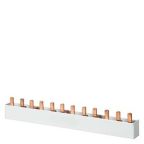
A busbar is a metallic conductor, typically a flat strip, bar, or tube, used to carry and distribute electrical current in systems such as switchgear, distribution boards, and busway enclosures. These components serve as the main connection point for incoming and outgoing electrical circuits, ensuring efficient power management throughout the system.
Compared to traditional cables, electrical busbars offer several advantages:
- Lower Electrical Resistance: Busbars conduct electricity with minimal energy loss, improving system efficiency.
- Superior Thermal Management: Their flat, compact design dissipates heat more effectively, preventing overheating.
- Ease of Maintenance: Organized layouts make inspection, expansion, or replacement faster and safer.
Because of these benefits, busbars are increasingly used in modern electrical systems, from renewable energy installations to high-performance industrial power setups. They are manufactured primarily from copper or aluminum due to their excellent conductivity and mechanical properties.
What Are the Different Types of Busbars?
Busbars are available in different designs and materials, each engineered for specific electrical and environmental needs. Understanding their variations helps in choosing the right one for your application.
Solid Copper Busbars
A copper busbar is the most common and reliable type due to copper’s excellent electrical conductivity and durability. These are used in applications requiring high current capacity and mechanical strength, such as substations, manufacturing plants, and heavy machinery. Their long lifespan and consistent performance justify their price, making them a valuable investment for critical systems.
Flexible Copper Busbars
A flexible busbar is made from braided or laminated copper strips. It offers exceptional flexibility and vibration resistance, making it ideal for installations in tight spaces or dynamic applications where movement occurs, such as switchgear and electric vehicle power modules.
Insulated Copper Busbars
These electrical busbars are coated with insulating materials like PVC or epoxy. The insulation prevents accidental contact and electrical faults, improving safety in high-voltage environments such as data centers and energy distribution systems.
Single-Phase Busbars
A single-phase busbar is commonly used in residential and small commercial applications, enabling simpler power distribution. They ensure safe and efficient current flow in lighting and small-appliance circuits.
3-Phase Busbars
The 3-phase busbar is designed for industrial and large-scale commercial systems where consistent, balanced power distribution is essential. It helps minimize electrical losses and maintains voltage stability across three conductors, supporting higher load demands.
Grounding Copper Busbars
A grounding copper busbar is used to safely connect electrical equipment to earth. It plays a crucial safety role by directing fault currents away from sensitive components and personnel, preventing electrical shocks and equipment damage.
Applications of Busbars
Busbars play a vital role across numerous industries, helping achieve efficient and safe power distribution. Their versatility and reliability make them indispensable in both small-scale and high-demand systems.
- Industrial Power Distribution: In factories, refineries, and manufacturing plants, busbars manage high-current flows and reduce electrical losses. They are installed within switchgear and control panels to streamline power delivery and ensure electrical safety.
- Residential and Commercial Buildings: Electrical busbars are installed in distribution boards and circuit panels to organize multiple electrical circuits safely. They reduce wiring complexity and provide a neater, more efficient layout.
- Renewable Energy Systems: Busbars are essential in solar and wind power systems, efficiently distributing current between inverters, batteries, and transformers. Their low resistance ensures maximum energy transfer with minimal loss.
- Electric Vehicle Charging Stations: A well-designed busbar electrical system allows stable power distribution across multiple EV charging points. Copper’s conductivity enables faster, safer charging cycles.
- Data Centers: Data centers rely on electrical busbar connectors and insulated busbars to ensure uninterrupted power flow to critical servers and network equipment, maintaining uptime and efficiency in mission-critical environments.
How to Choose the Right Busbar
Selecting the correct busbar depends on several technical and environmental factors. The right choice ensures your electrical system performs reliably while minimizing energy losses.
- Determine Current Requirements: Identify the maximum current the busbar must handle. Undersized busbars can overheat, while oversized ones increase unnecessary material cost.
- Select Material: Copper busbars are known for their superior conductivity and strength, though they cost more. Aluminum offers a lighter and more cost-effective alternative but with slightly lower conductivity.
- Consider Insulation Needs: If your application involves confined spaces or close-proximity circuits, opt for insulated busbars to enhance electrical safety and prevent arcing.
- Evaluate Flexibility: A flexible busbar is ideal for installations requiring mobility or vibration resistance, such as switchgear or modular electrical systems.
- Check Compatibility: Ensure the busbar dimensions, spacing, and mounting points are compatible with your existing equipment. Proper fitment guarantees secure connections and optimal performance.
Busbar specifications also depend on the busbar price and intended use. RS Philippines provides options to suit every requirement, from cost-efficient models for small projects to premium, high-capacity copper busbars for industrial power distribution.
The Leading Supplier and Distributor of Busbars in the Philippines
RS is your trusted busbar supplier in the Philippines, offering a wide selection of high-quality electrical busbars and copper busbars from world-renowned manufacturers such as Siemens, Eaton, and Schneider Electric. We understand the importance of reliable and efficient power distribution, which is why our range includes everything from AC/DC adapters, circuit breaker parts, and current transformers.
As a leading copper busbar supplier in the Philippines, RS ensures that every product meets international standards for safety and durability. For more details on our ordering process, delivery options, and applicable shipping fees, please visit our delivery information page.
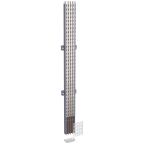
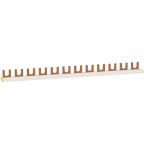
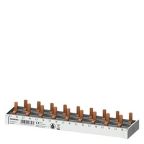
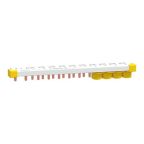
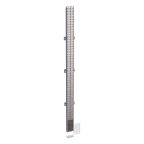
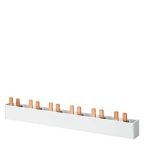
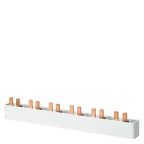
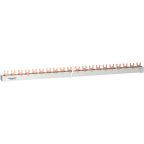
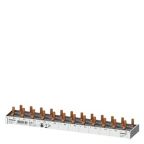
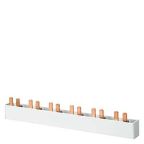
Popular Searches
Related links
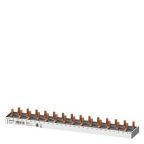
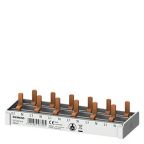
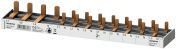
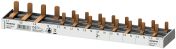
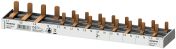
- Siemens Copper SENTRON 5ST 3 Phase Busbar, 35.6 mm Pitch
- ABB Copper Busbar
- WAGO Copper Busbar
- nVent SCHROFF Copper Busbar
- nVent SCHROFF Copper Busbar, 12 mm Pitch
- Legrand HX Busbar Cover for use with Single Pole/Single Pole + Neutral Supply Bus Bar
- nVent ERICO Brass Neutral Busbar Busbar
- Siemens Copper SENTRON 8US Busbar, 60 mm Pitch