Junction Boxes
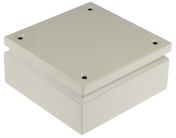
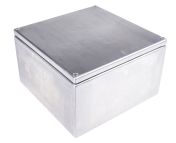
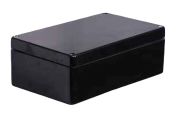
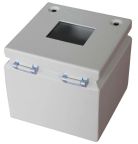
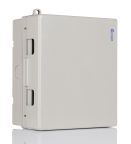
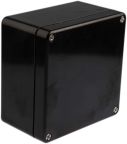
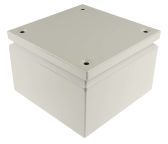
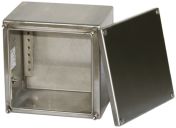
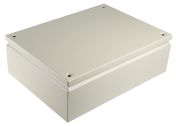
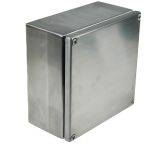
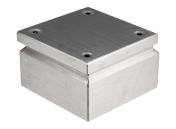
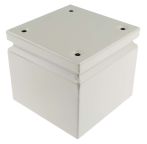
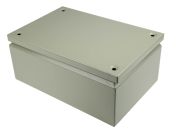
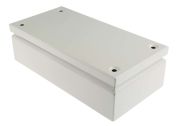
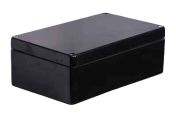
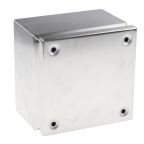
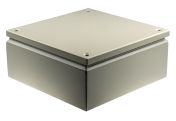
Junction boxes, also known as electrical junction box, electrical outlet boxes, or J boxes, act as weatherproof outdoor enclosures that provide secure housing for electrical wiring and devices. These outdoor waterproof boxes protect electrical components from external forces such as weather, neighboring materials, and vandalism. Junction boxes also serve as a connector to a pattress and are often found installed behind a downlighter. Unlike pull boxes, which only provide access for pulling cables, junction boxes contain wire connections inside, making them essential for safe and organized electrical installations.
How Do Junction Boxes Work?
Junction boxes serve as entry points for electrical cables, allowing safe splicing, branching, or termination of wires. A junction box may have knockout, integrated thread, or self-sealing membranes to facilitate cable entry while maintaining protection. Inside, mounting points for screws are provided in each corner to secure devices or internal components. Proper installation requires using appropriate masonry plugs, anchors, and fixings suited to the mounting surface such as a wall, skirting board, or ceiling. A sealed outdoor junction box lid or cover ensures that the internal components are protected from dust, moisture, and tampering, maintaining electrical safety and system integrity.
Materials Used in Junction Boxes
A junction box is manufactured from a variety of materials, primarily plastics and metals, each offering distinct advantages depending on the application and environmental conditions.
Common materials used for junction boxes include:
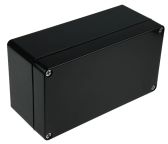
- Plastic (PVC, Fiberglass): These junction boxes are highly valued for their inherent corrosion resistance and non-conductive properties. PVC is a common choice for indoor and light-duty outdoor electrical junction box applications due to its cost-effectiveness and ease of installation. Fiberglass offers superior durability and resistance to harsh chemicals and extreme temperatures, making it suitable for more demanding outdoor or industrial environments where corrosion is a concern.
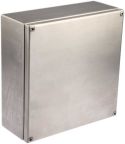
- Metal (Steel, Stainless Steel): Metal junction boxes are often made from steel or stainless steel. They provide exceptional durability and impact resistance. Unlike plastic, metal junction box enclosures are conductive and thus must be properly grounded and connected to the ground system of the circuit to ensure electrical safety. Metal boxes are preferred in industrial settings or where mechanical protection is critical.
Types of Junction Box
Junction boxes are highly adaptable enclosures designed to house and protect electrical connections, with their price in the Philippines varying based on size, material, and intended application. Here are some of the different types of junction boxes:
Surface-Mounted
These junction boxes are installed directly onto the external surface of walls or ceilings. They are ideal for outdoor junction box applications or on external walls where concealing wiring is not feasible or desired. Surface-mounted boxes are commonly used for outdoor lighting and other fixtures requiring accessible electrical wiring.
Flush-Mounted
Designed for a seamless appearance, flush-mounted junction boxes fit almost perfectly flush with a finished wall or ceiling. They are typically chosen when a neat, clean, and unobtrusive finish is required, integrating discreetly into the architectural design.
Recessed
These junction boxes are embedded within the internal structure of a wall, typically installed between two studs. They are extensively used for housing light switches, power outlets, and other in-wall electrical fixtures, providing a hidden yet accessible point for electrical connections.
Understanding IP Ratings for Junction Boxes
The ingress protection (IP) rating of an outdoor electrical junction box is a critical specification that indicates its level of protection against the intrusion of solid objects (like dust) and liquids (like water). These ratings are standardized, with higher numbers denoting superior protection against environmental elements.
- IP20 & IP2X: Offers basic protection against solid objects larger than 12mm (e.g., fingers), but no specific protection against water. Typically used for indoor, dry applications where no significant dust or moisture is present.
- IP40 & IP44: Provides protection against solid objects larger than 1mm (e.g., wires) (IP40) or against splashing water from any direction (IP44). An IP44 junction box with cover might be suitable for sheltered outdoor use.
- IP54 & IP55: Offers protection against dust ingress that might interfere with operation (IP5X) and against splashing (IP54) or low-pressure jets of water (IP55). An IP55 outdoor junction box is generally suitable for many general outdoor applications.
- IP65 & IP66: Provides complete protection against dust ingress (IP6X) and against low-pressure (IP65) or powerful jets of water (IP66). These ratings are common for robust outdoor electrical junction box installations where direct water exposure is expected.
- IP67 & IP68: Offers complete dust protection (IP6X) and protection against temporary immersion in water (IP67) or continuous immersion under specified conditions (IP68). These are designed for the most demanding environments, including submerged or frequently washed-down areas.
Industries That Use Junction Boxes
A junction box is an essential piece of equipment that can be found in many industries across the Philippines, providing essential protection and organization for electrical connections in various environments.
- Manufacturing Plants: These facilities rely heavily on electrical junction box solutions for machine control wiring, sensor connections, and power distribution to equipment. They ensure secure and organized pathways for complex industrial automation systems, protecting wiring from dust, debris, and mechanical stress.
- Construction Sites: Junction boxes are crucial for establishing safe and temporary electrical distribution setups. They provide protected points for splices and connections for power tools, lighting, and temporary site offices, ensuring compliance with safety regulations on dynamic job sites.
- Facilities & Buildings: In commercial, residential, and institutional buildings, junction boxes are extensively used for routing lighting and power circuits. They neatly house wiring connections for switches, outlets, fixtures, and security systems, ensuring a safe and organized electrical infrastructure within walls and ceilings.
- Energy & Utilities: This sector employs robust outdoor electrical junction boxes for critical applications, including weatherproof enclosures for metering equipment, and street lighting.
Buy Junction Boxes in the Philippines
RS is the go-to destination for a junction box in the Philippines. We stock an extensive range of plastic and metal junction boxes from leading brands like Hensel, ABB, Spelsberg and many more. Our inventory covers all types, including robust metal junction box options, versatile outdoor electrical junction box models with high IP ratings, and standard junction box with cover variants suitable for any application.
Besides junction boxes, we also offer a comprehensive range of enclosure solutions such as DIN rail enclosures, power supply cases, and wall boxes for your secure storage needs. For more details on our ordering process, delivery services, and associated fees, please refer to our dedicated delivery page.
Popular Searches
Related links
- RS PRO ST Series Grey Steel Junction Box IECEx 200 mm 120 mm
- Wall Boxes
- RS PRO Light Grey Mild Steel Terminal Box IECEx 80 mm 150 mm
- RS PRO TBS Series Grey Steel Junction Box 150 mm, 300 mm 80 mm
- ABUS Aluminium Junction Box Outdoor Camera Housing for use with Dome Camera Wall Bracket
- General Purpose Enclosures
- Legrand Plastic Junction Box 80 x 53 x 222mm
- Legrand Plexo Series Grey Plastic Junction Box 150 mm, 150 mm 81 mm