Level Sensors
Level sensors play a vital role in monitoring liquid or solid levels in tanks, silos, and pipes across a wide range of industries. From water treatment and oil & gas to manufacturing, these sensors help ensure accurate measurement and control.
RS offers a comprehensive selection of level sensors, including capacitive, ultrasonic, radar, vibrating, conductive, and more, catering to diverse application needs. Designed for precise monitoring, process automation, and safety compliance, these solutions are trusted by businesses throughout the Philippines. Whether you need a liquid level sensor or specialized equipment, RS delivers reliable options to meet your requirements.
What Are Level Sensors?
Level sensors monitor, maintain, and measure liquid levels to determine how full or how empty a container, tank, or silo is. They provide an electrical signal output at predetermined levels, which triggers control valves or alarms for automated system regulation. This helps maintain proper process control and is crucial in preventing issues such as overflow, pump dry runs, or chemical mismanagement. Common uses include monitoring liquid levels, water levels, and oil levels across various industries with the help of specialized sensors.
Types of Level Sensors
The choice of level sensors is usually determined by which substance is being measured, the environment in which the sensor is to be used, and in which position the sensor needs to be mounted. Also, the application will determine the measurement principle used, such as capacitive, guided wave radar or hydrostatic level measurement. The most common types of level sensors are:
Capacitive Level Sensors
Capacitive level sensors detect changes in capacitance caused by the presence or absence of a material within their sensing field. They are often used as level switches for full/empty indication and can operate in contact or non-contact modes. Capacitive sensors perform well even with heavy residue or buildup on the sensor surface.
Vibrating Level Sensors
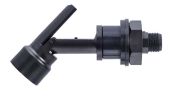
Vibrating level probes use a rod or a fork that constantly produce high-frequency vibrations. When the vibrating sensor comes into contact with the medium, the vibration changes and the vibrating level switch outputs a switching command. Vibrating level switches are used as overfill protection devices or low-level indicators in liquids as well as in granular and powder bulk solids.
Conductive Level Switches
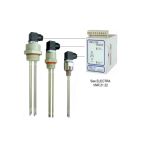
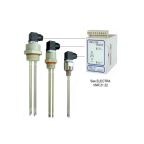
Conductive level switches are sensors that use stainless steel probes with an electrical contact output to measure a specific liquid level. Used in conjunction with a level control relay to set and monitor each probe. Applications include ponds, reservoirs, sumps, pharmaceuticals, closed vessels, and open tanks.
Ultrasonic Level Sensors
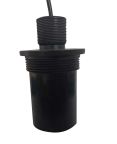
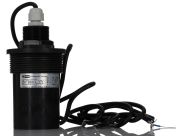
Ultrasonic level sensors generate ultrasonic sound pulses that are reflected by the surface of a liquid medium. The time travelled by the ultrasonic pulse is calculated by the sensor which then determines the distance of the liquid to give an accurate fill level. The ultrasonic sensor's response is influenced by turbulence, pressure, moisture, and temperature.
Radar Level Sensor
Radar level sensor emits microwave pulses that reflect off the liquid surface. The time taken for the pulse to return is used to calculate the level. Radar sensors are non-contact, highly accurate, and effective under high pressure and temperature conditions.
For specific applications like monitoring water levels in tanks or oil levels in machinery, selecting the appropriate sensor type is crucial to ensure accuracy and reliability.
Where Level Sensors are Used Across Industries?
Level sensors are integral to various industries in the Philippines, ensuring efficient operations and workplace safety. Here's an overview of their applications:
- Discrete Manufacturing: In automotive and electronics sectors, level sensors monitor fluid levels in tanks and reservoirs, preventing overflows and ensuring consistent production processes.
- Process Manufacturing: In food and beverage, chemical, and pharmaceutical industries, level sensors are used to monitor ingredient levels in mixing tanks, storage silos, and reactors, ensuring accurate dosing and preventing spills.
- Energy and Utilities: In water treatment plants in the Philippines, level sensors monitor water levels in tanks and reservoirs, optimizing treatment processes and preventing overflows. In substations, oil level sensors detect oil levels in transformers, ensuring proper lubrication and preventing overheating.
- Facilities and Intralogistics: In building management systems, level sensors monitor water levels in sump pits, preventing flooding and ensuring efficient drainage. In warehouses, they monitor levels in storage tanks and silos, optimizing inventory management and preventing overflows.
How to Choose the Right Level Sensor?
When buying a level sensor, choosing the right type is crucial for accurate and reliable measurement in various applications. Here's a concise guide to help you make an informed decision:
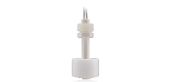
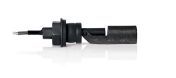
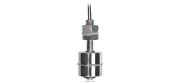
- Substance Type: Determine whether you're measuring the level liquids, solids, slurries, or powders. For instance, a water level detector is ideal for monitoring water in tanks or reservoirs. Float sensors are commonly used for liquids, while tuning fork sensors are better suited for solid level applications.
- Measurement Method: Decide between contact and non-contact sensors. Contact sensors physically interact with the material, whereas non-contact sensors, like ultrasonic or radar, measure without touching the substance, making them suitable for corrosive or hazardous materials.
- Mounting Location: Choose the appropriate mounting style, top-mounted, side-mounted, or external, based on your system's design and accessibility requirements.
- Environmental Conditions: Consider factors like temperature extremes, pressure, humidity, and exposure to chemicals. Ensure the level sensor material and design can withstand these conditions.
- Signal Type: Select between analog, digital, or relay outputs based on your control system's compatibility and the level of monitoring required.
Why Buy Level Sensors from RS Philippines?
When it comes to buying level sensors or other sensors like photo sensors and pressure sensors in the Philippines, RS stands out as a trusted partner for quality, reliability, and service. We stock a wide selection of level sensors from globally recognized brands like Endress+Hauser, SICK, and Flowline, ensuring you get products backed by proven performance.
Whether you need a basic float switch or a high-precision water level sensor, we offer a full range to meet diverse application needs. With local availability and a streamlined supply chain, you can count on fast, reliable delivery across the Philippines. For information related to delivery options, refer to our delivery page.

Popular Searches
Related links
- Float Switches
- RS PRO Float Switch Level Sensor Vertical, Polypropylene Body
- Okdo Water Level Sensor Module Sensor Board for TS2135 Micro:bit and Arduino
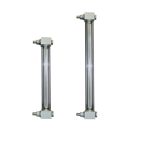
- Liquid Level Indicators
- Pressure Sensors
- Flow Sensors
- SMC IFW5 Series Flow Sensor for Water 1500 L/min Max
- Endress+Hauser FMR43 Series Radar Level Sensor Level Sensor PTFE Body, ATEX-Rated