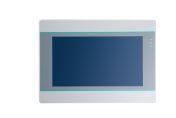
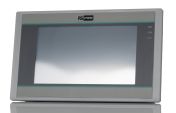
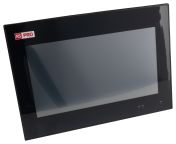
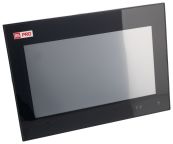
HMI Displays
HMI stands for Human-Machine Interface, a system designed to simplify and enhance operator interaction with industrial machinery and processes. These interfaces typically consist of screen panels or displays that connect users to machines, systems, or devices such as PLCs (Programmable Logic Controllers), RTUs (Remote Terminal Units), and IEDs (Intelligent Electronic Devices). HMIs provide insights into mechanical performance and operational status, enabling real-time monitoring and control.
HMI Panel Types
There are various types of HMI panels, each designed to suit specific application requirements and operating environments. Common types of HMI panels in RS Philippines include:
HMI Touchscreens
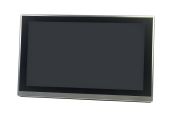
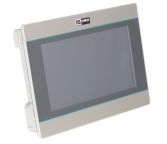
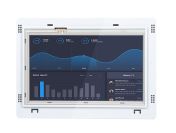
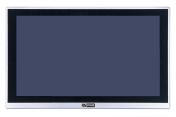
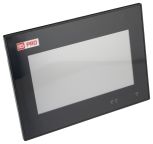
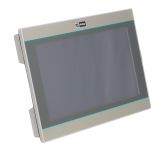
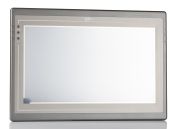
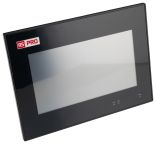
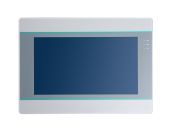
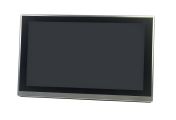
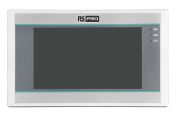
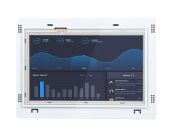
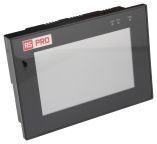
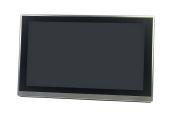
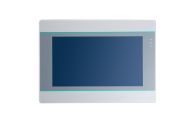
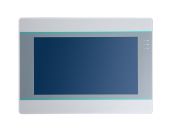
These HMI screen panels present data and receive input through a touch-sensitive display, eliminating the need for physical controls. HMI touchscreen panels are ideal for applications with limited space or where flexibility in user interaction is essential. Features typically include high resolution, backlighting, multitouch capability, and built-in connectivity such as Ethernet, enhancing control and visualization across industries.
Physical Control Panels
These traditional HMI screen panels use buttons, switches, and indicators to operate machinery and display data. They are well-suited for industrial environments with heavy vibration, dust, or where touchscreens may not be reliable.
Web-Based HMI
Accessible through a web browser, these HMIs allow remote monitoring and control from any device connected to a network. They are ideal for distributed systems, centralized supervision, and off-site process management, providing flexibility and scalability.
How HMI Displays Work
HMI systems serve as a vital link between operators and industrial equipment or processes, enabling streamlined communication and effective control. This is how HMI technology typically functions:
- Data Collection: HMI systems collect information from a network of programmable logic controllers (PLCs), sensors, and other industrial devices. It then displays essential data such as machine status, temperature, pressure, and more.
- Data Processing: The collected information is processed and structured by HMI software. Key functions at this stage include data logging, trend analysis, and alarm handling, ensuring that the operator receives actionable, organized feedback.
- Visualization: The processed data is presented visually on the HMI display. Operators can monitor system performance, view process graphics, and receive real-time updates reflecting their interactions with the system.
- Control: Through the HMI touch panel, operators can send commands, modify setpoints, and respond immediately to warnings or abnormal system behavior.
- Communication: HMI systems often integrate with higher-level platforms such as SCADA or MES, allowing for seamless data exchange and centralized monitoring and control.
- User Authentication: In secure environments, user login protocols may be required to ensure that only authorized personnel can access or operate the HMI system, protecting critical controls and sensitive data.
Where Are HMI Displays Used?
HMIs are widely used across various industrial sectors to enhance efficiency, safety, and operational visibility. Common applications include:
- Manufacturing: HMIs are extensively used on factory floors to monitor and control production lines. They display real-time process data, allow operators to adjust setpoints, issue commands, and receive alerts or alarms—streamlining both oversight and response.
- Power Generation: In power plants, whether fueled by fossil sources or renewables, HMIs assist in managing operations such as boiler control, turbine monitoring, and power distribution, ensuring safe and efficient energy generation.
- Water and Wastewater Treatment: Treatment facilities rely on HMIs to oversee key processes like pumping, filtration, and chemical dosing. These systems offer centralized control for maintaining regulatory compliance and system performance.
- Oil and Gas: HMIs support critical functions in drilling, pumping, and refining operations. By providing real-time visibility into equipment and process parameters, they help optimize production while maintaining safety standards.
- Chemical Processing: In chemical plants, HMIs are used to manage operations such as mixing, reaction control, and distillation. Operators can monitor variables, trigger actions, and respond quickly to any anomalies in the process.
HMI Screens Specifications
When selecting an HMI screen panel, it's essential to evaluate several key specifications to ensure compatibility, performance, and usability within your control system.
- Driver Support: Verify that the HMI is compatible with the required device drivers for seamless communication with your equipment.
- Communication Ports: Review the available ports, such as Ethernet or USB cable, to ensure they meet the connectivity needs of your application.
- Display Properties: Assess screen size and resolution based on the complexity of your interface. Larger displays are ideal for detailed processes, while compact screens may suit simpler environments.
- HMI Programming Software: Confirm that the HMI works with your preferred programming platform and supports the functionality your project demands.
- Performance: Evaluate the CPU and RAM specifications to ensure the device can operate efficiently without delays or processing issues.
- Remote Access: Consider whether remote monitoring and control are essential for your operations, and choose an HMI with the appropriate access capabilities.
- Security: Look for features like user account control, access levels, and intellectual property protection to maintain system integrity and prevent unauthorized use.
- Certification and Compliance: Ensure the HMI complies with relevant industry standards and certifications to guarantee safe operation in your specific environment.
Why Buy HMI Monitors Online from RS Philippines
RS is a trusted supplier and distributor of HMI displays in the Philippines, offering a broad selection from industry-leading brands at cost-effective prices. Our range includes HMI touchscreens and embedded HMI monitors to suit diverse applications.
We carry HMI displays from globally respected manufacturers such as Siemens, Schneider Electric, OMRON, and more. Explore our full selection of HMI panels to compare specs, pricing, and availability.
For complete delivery details, please visit our delivery page.