Moisture Meters
Also called a moisture content tester, a moisture or damp meter is a portable instrument designed for measuring the moisture levels in a range of building materials, including wood, concrete, brick, and drywall. What’s more, it’s essential for identifying hidden water ingress before it leads to costly defects like rot, mold growth, or structural instability.
In the Philippines, these tools are available in various formats to suit different professional needs. You can choose a portable moisture meter for quick, on-site spot checks or a more advanced digital moisture meter equipped with data logging capabilities for comprehensive documentation.
To learn more about moisture meters or for guidance on selecting the best type for your requirements, check out our article on moisture meters.
What Is a Moisture Meter?
A moisture meter is a tool designed to determine the amount of water present in a material, typically expressed as a percentage of moisture content (%MC) or as a comparative relative scale depending on the measurement method. This moisture detection device is fundamental for professionals conducting property surveys, flooring installations, and restoration projects where precise environmental control is required. Moreover, it helps technicians in joinery, HVAC diagnostics, and quality assurance identify hidden dampness that is invisible to the naked eye.
Units in the Philippines typically offer a variety of intuitive output types to suit different working conditions, including clear numeric displays, color-coded LED graph bars, and audible alerts for rapid scanning. For more complex industrial applications, advanced models even feature Bluetooth or USB connectivity for data logging, allowing users to track and analyze trends over time to ensure long-term structural health and material stability.
Why Do We Need Moisture Meters?
Using a reliable moisture tester allows you to identify invisible threats like mold growth and structural damage before they compromise a building's integrity. Whether you opt for a digital or analog unit, you can expect the following benefits:
- Prevent Material Failures: Accurately measuring the moisture content helps avoid common issues such as cupping, warping, delamination, and blistering in flooring or protective coatings.
- Verify Installation Readiness: With a moisture tester, you can ensure that concrete slabs or timber materials have reached the necessary acclimation levels before proceeding with installation or final finishing to prevent long-term damage.
- Document Compliance: Many digital moisture meters capture and log readings with time and location stamps, providing essential data to support project quality assurance and warranty claims.
Pin-Type Moisture Meters
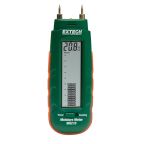
A pin-type moisture meter measures electrical resistance between two or more metal probes inserted into the material. Because water is an excellent conductor while dry materials like wood act as insulators, this tool translates low resistance into a %MC reading calibrated for specific material groups.
Ideal as a wood moisture meter for framing, joinery, and restoration, these devices excel at targeted spot checks and mapping moisture at depth using various pin lengths. While they offer excellent specificity and repeatable results, users should note that the pins leave small holes. Additionally, ensuring accuracy may require species correction and temperature compensation depending on the specific material being tested.
Pinless (Non-Invasive) Moisture Meters
A pinless moisture meter works by emitting low-frequency electromagnetic signals into the material and measuring changes in the dielectric properties caused by moisture. This non-destructive method allows for rapid surveys of large areas like walls and ceilings without leaving unsightly pin marks.
Pinless meters are often used for preliminary surveys of walls, ceilings, and concrete slabs to identify high-moisture zones before conducting more invasive tests. While they offer fast coverage and protect finished surfaces, remember that readings are relative and can be influenced by material density, thickness, or metal hidden behind the surface.
Applications
Beyond supporting indoor air quality, moisture meters serve specific roles for the following:
- Property and Construction: Building inspectors use a damp meter to assess drywall, concrete, and timber for hidden moisture ingress that may require repair or remediation.
- Flooring Contractors: To prevent buckling, flooring contractors use these testers to verify the moisture levels in slabs before they lay vinyl, laminates, or adhesives.
- Furniture and Woodworking: Wood moisture meters help confirm moisture content in kiln-dried or stored timber prior to machining, assembly, or finishing.
- Restoration and Insurance: Moisture testers are also crucial for mapping water damage and monitoring drying progress to provide documentation for insurance claims.
Types of Moisture Meters
Beyond the standard pin and pinless designs, moisture testers can be further categorized by their measurement capabilities and features:
- Material Modes: Some meters are designed specifically for wood, while others support multiple materials such as drywall and masonry. Certain models provide reference readings for concrete to help assess relative moisture conditions.
- Readout Capabilities: Options range from basic analog meters for quick checks to digital moisture meters with backlit LCDs, bar graphs, and connectivity features like Bluetooth for easier data recording and reporting.
- Measurement Depth and Accessories: Depending on the application, meters may support interchangeable pins, hammer probes for deeper readings, or pinless sensors with defined scanning depths to suit different material thicknesses.
How to Choose the Right Moisture Meter
Before you buy a moisture meter, consider these critical factors:
- Measurement Method: Choose pin-type meters for direct moisture content readings or pinless meters for rapid, non-invasive scanning of finished surfaces.
- Material Compatibility: Ensure the device supports the materials you test and offers correction settings where applicable.
- Measurement Depth and Environment: Confirm probe length or scan depth and consider features such as backlit displays or temperature compensation for site-specific accuracy.
- Workflow and Reporting: Data logging, Bluetooth, or USB features can simplify documentation for inspections, audits, and quality control.
- Budget: Compare the price of the moisture meter against its features. To meet your project deadlines and prevent costly delays, opt for products that are already in stock.
Using a Moisture Meter: Practical Tips
To get the most accurate results from your moisture detection tool, follow these professional practices during your inspection:
- Establish a Baseline: Perform any required warm-up procedures and take reference readings in known-dry areas of the same material type to set comparative thresholds.
- Take Multiple Readings: Never rely on a single data point. Instead, measure several areas and average them. For floors and walls, mapping a grid is best.
- Prepare the Surface: Ensure the area is free of surface water or debris. For a digital moisture meter, maintain firm contact between the probes and the material.
- Verify Settings: Always adjust for specific wood species or material modes, apply temperature corrections, and note ambient RH, which can influence equilibrium moisture content in hygroscopic materials.
- Avoid False Positives: When using pinless meters, scan for metal pipes, lath, or foil behind surfaces, and cross-verify high readings with pin-type meters or calcium chloride tests where possible.
Calibration and Maintenance
Maintaining an analog or digital moisture meter involves simple steps to prevent reading drift and hardware failure:
- Verify Calibration: Check your device’s accuracy using manufacturer-provided calibration blocks or built-in test routines.
- Proactive Pin Care: Regularly inspect the probes of your moisture tester for bending or dullness. Replace worn pins immediately to ensure proper penetration and accurate reading.
- Battery and Storage: Always store your equipment in a dry, room-temperature environment using its protective case. Remove batteries if the tool will be stored for more than a month to prevent acid leakage and potential damage to internal circuitry.
Why Buy Moisture Meters from RS Philippines?
RS Philippines offers an extensive selection of moisture meters from industry-leading brands such as Extech, Protimeter, and FLIR. Whether you need a simple pin-type device or a sophisticated digital moisture meter with data-logging capabilities, our catalog provides full technical clarity with detailed datasheets.
When you buy moisture testers from us, you benefit from transparent prices and the convenience of one-stop sourcing for other products, including infrared temperature sensors, humidity/temperature meters, hydrometers, air quality testers, and data loggers.
Plus, RS Philippines offers fast delivery of moisture meters and environmental testing equipment. For more details on delivery services and fees, please refer to our Delivery page.
Popular Searches
Related links
- A Complete Guide to Moisture Meters
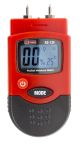
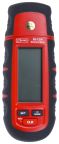
- RS PRO RS-120 Moisture Meter ±2 % Accuracy Battery-Powered
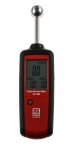
- RS PRO RS-128M Moisture Meter Battery-Powered
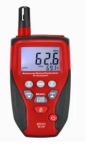
- FLIR MR277 Moisture Meter Digital Display, Battery-Powered
- Conductivity Meters
- Extech Moisture Meter Pin for Use with MO295 MO297 And MO300 Moisture Meters
- FLIR MR55 Moisture Meter ±2 (Building Material) % Digital
- FLIR Moisture Meter Pin for Use with Moisture Meters