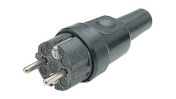
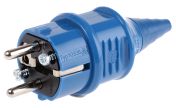
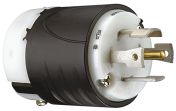
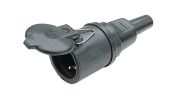
Mains Plugs
A mains plug is one of the most essential components in any electrical system, serving as the connector between appliances and the power supply. Without a reliable main plug socket, devices from laptops and TVs to industrial machines would not be able to operate safely.
At RS Philippines, we offer a comprehensive range of mains plugs, sockets, and power connectors that comply with international standards. Our catalog caters to both residential and industrial needs, ensuring that customers can buy mains plugs with confidence, knowing they are selecting products engineered for optimal performance, safety, and long-term reliability.
What Is a Mains Plug?
A mains plug is a connector designed to link electrical equipment to an AC power supply via wall outlets or sockets. Mains plugs allow appliances to draw on power safely while ensuring protective features such as grounding (earthing) and overload protection are present.
Common household plugs generally feature three pins — live, neutral, and earth — for safety and reliable current flow. In more complex configurations requiring multiple signals and power lines such as computing and industrial safety setups, complex connectors such as 15-pin D-sub plugs or IEC 60309-pin-and-sleeve connectors are often more suitable.
Whether powering a television, office projector, medical device, or industrial machinery, the mains power plug enables controlled electricity transfer, making it a simple yet vital component that keeps modern life and work running smoothly.
Why Do You Need a Mains Plug?
The mains plug is far more than a convenience; it is a safeguard for both users and equipment. Its importance lies in several critical areas:
- Safety: With insulation, grounding, and fuse protection, mains plugs prevent electrical hazards such as shocks, overloads, and fires.
- Regulation: Plug standards exist to ensure compliance with safety rules and regulations in each country. Using the correct plug reduces risks associated with mismatched voltages or unsafe connections.
- Convenience: A plug-and-play design allows appliances to be easily connected and disconnected without technical knowledge.
- Versatility: The same main plug socket design can be used for a wide range of devices, from household electronics to advanced medical or industrial equipment.
- Standardization: International plug standards mean that appliances and adapters can be designed to work seamlessly in different regions around the world.
Mains Plugs and Sockets by Country
Not all countries use the same plug type. This variation is why international travelers often need travel plug adapters, and why global manufacturers must design products that work with multiple mains plug socket standards.
- Australia: Type I plugs: used for 240V appliances, featuring slanted flat pins with a grounding pin.
- China: Type A and Type I plugs: widely used for residential and commercial power supply.
- Europe: Type C, Type E, and Type F plugs: common across the EU, designed for 220V–240V systems with grounding and round pin connections.
- Philippines: Type A, B, and C plugs: the most common are flat-pin Type A and B plugs (compatible with US standards), but Type C plugs (round pin, European style) are also in use. The national standard voltage is 220V at 60Hz, so travelers with 110V-only devices need to buy voltage converters as well as travel plug adapters.
- Japan: Type A and B plugs: usually for 100V–120V equipment; these plugs resemble US types but are designed for Japan’s lower voltage.
- Switzerland: Type J plugs: designed for 230V systems with three pins, including a grounding pin.
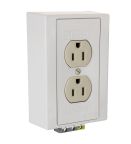
- USA: Type A and B plugs: for 110V–120V systems, widely used in homes, offices, and industries.
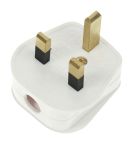
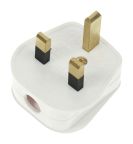
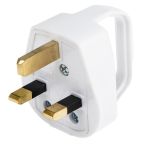
- UK: Type G plug (BS 1363): three rectangular pins with a fuse, suitable for 230V appliances.
- South Africa/India: Type D and Type M plugs: older British standards, still widely in use for both home and industrial systems.
- Denmark: Type K plugs: designed for 230V systems, similar to Type F but with a distinct grounding pin.
Types of Mains Plugs and Sockets
While plug and socket types vary globally, some are more widely used and recognized. These variations highlight the importance of selecting the correct main plug socket for both compatibility and safety.
- Type D/M (BS 546 – Old British Standard): Large round pins used in India, South Africa, and parts of Asia and Africa.
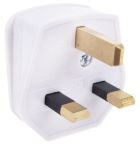
- Type G (BS 1363 – UK Standard): Features three rectangular pins with built-in fuse protection, offering high levels of safety; common in the UK and former British territories.
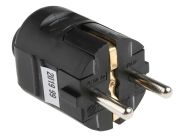
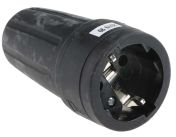
- Type F (Schuko – European Standard): Two round pins with grounding side clips; widely used across continental Europe.
- Type E (French Standard): Two round pins plus a female grounding connection in the socket; used mainly in France and Belgium.
- Type C (Europlug): Lightweight, two-pin, ungrounded plug; versatile and compatible with many European outlets.
- Type A/I (Chinese, Japanese, US Standard): Flat pins; common across the US, Japan, China, and other regions.
- Type K (Danish Standard): Similar to Type F but with a grounding pin; used primarily in Denmark.
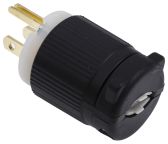
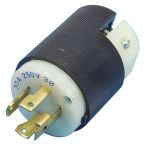
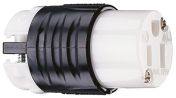
- NEMA connectors: A family of plugs widely used in North America, particularly in industrial and high-voltage applications.
Industrial mains plugs often conform to IEC 60309 standards that require rugged construction, high current capacity (up to 800 A), weatherproofing (IP44 to IP67), and standardized color-coding for voltage and phase identification.
How to Choose the Right Mains Plug
When selecting a mains plug, customers should carefully consider several factors to ensure safety, compatibility, and cost-effectiveness.
- Country of Use: Always select the plug type that matches the socket standards in your country or destination.
- Voltage and Frequency: Verify whether the country uses 110V or 220V power, as using the wrong plug may damage appliances.
- Application Requirements: Household devices, industrial machinery, and specialized equipment all have different requirements. Industrial applications may require plugs with higher current ratings and durability.
- Safety Features: Look for options that include grounding, fuses, and insulation, which reduce the risks of shock and fire.
- Budget Consideration: Consider both mains plug price and performance. While some plugs may appear more affordable, investing in premium, certified models often ensures longer lifespan and greater safety.
The Trusted Supplier and Distributor of Mains Plugs in the Philippines
RS Philippines is your reliable source for mains plugs, sockets, and connectors, covering residential, commercial, and industrial requirements. Our comprehensive product catalog features a diverse range of mains power plugs and main plug sockets, sourced from leading international brands such as RS PRO, Neutrik,and Eaton.
Beyond plugs, we also stock DC power connectors, IEC connectors and industrial sockets. Every product is backed by RS expertise, responsive customer service, and competitive options.
Browse and buy mains plugs today through RS Philippines’ online platform. For full details on shipping, delivery coverage, and product specifications, please visit our delivery information page.