RF Signal Generators
Radio frequency (RF) signal generators are essential instruments for producing precise radio frequency outputs to test and calibrate electronic devices. Fundamental in industries ranging from telecommunications and manufacturing to research and development, RF signal generators are a cornerstone of your setup, whether you need to validate receiver performance, measure system gain, or conduct quality assurance tests.
What Is an RF Signal Generator?
An RF signal generator is an electronic testing instrument that generates a known voltage signal over a broad range of radio frequencies, typically from kilohertz (kHz) to gigahertz (GHz). The primary purpose of a radio frequency generator is to provide a controlled signal source for testing electronic devices and systems.
These devices play a crucial role in validating the performance of receivers, amplifiers, filters, and other RF components. By generating a stable and adjustable signal, they allow engineers to measure critical parameters such as gain, bandwidth, noise figure, and overall system integrity under controlled conditions.
How Does an RF Signal Generator Work?
An RF generator creates either continuous wave (CW) signals or modulated signals. Modulation methods include:
- Amplitude Modulation (AM)
- Frequency Modulation (FM)
- Phase Modulation (PM)
- Pulse Modulation (via a dedicated RF pulse generator)
Frequency control is typically implemented using phase-locked loops (PLLs), frequency synthesizers, or Direct Digital Synthesis (DDS), enabling precise and stable frequencies. The generated RF signals are then fed into devices under test (DUTs) to simulate real-world operating environments. Most radio frequency generators integrate with automated test setups through USB, LAN, or GPIB interfaces, ensuring seamless compatibility with advanced measurement systems.
Types and Modulation Features
RF signal generators are designed to generate radio-frequency (RF) signals for testing and developing electronic and wireless equipment in the Philippines. Different types are best for different use cases, depending on required frequency range, modulation, stability, and port-ability.
Analog/CW Generators
These are among the simplest RF signal and pulse generators, producing continuous-wave (CW) signals and offering basic modulation modes such as AM, FM, PM, and simple pulse. They are well suited for applications where cost, simplicity, and basic signal generation are sufficient, such as general lab testing or analog circuit debugging.
Synthesized RF Generators
These RF signal generators make use of frequency synthesis methods—such as phase-locked loops (PLL), direct digital synthesis (DDS), or frequency multipliers—to provide high frequency stability, precise tuning, and repeatability. They are ideal when stable reference signals are necessary, for example, in calibration, component testing, or when aligning RF circuits.
Vector Signal Generators (VSGs)
VSGs generate complex digitally modulated signals (such as QAM, QPSK, OFDM, FSK) that support modern wireless standards like Wi-Fi, LTE, 5G, and others. They often include I/Q modulation, arbitrary waveform features, and high modulation fidelity, suitable for receiver testing, communication system development, and wireless compliance testing.
Pulse & Special-Mode RF Generators
Some RF signal generators include pulse modulation or generation modes, with control over pulse width, duty cycle, rise/fall times, and repetition rate. These features are essential in radar, pulsed communication systems, high-power switching, and testing of components under transient conditions. For more demanding applications, there are also generators built specifically for high-power RF pulse work.
Applications of RF Signal Generators
- Telecommunications and Wireless: RF signal generators are used for testing receivers and transmitters in mobile phones, base stations, satellite communications, and other wireless devices in the Philippines.
- Research and Education: Indispensable in academic, commercial and corporate laboratories, RF generators are used in circuit development, component characterization, and student lab experiments.
- Industrial and Manufacturing: Employed in production lines for quality assurance and final product testing, RF signal and pulse generators ensure that devices meet specified performance standards in the Philippines.
- Defense and Aerospace: RF signal generators are crucial for testing radar systems, electronic warfare equipment, and satellite communication links.
How to Choose the Right RF Signal Generator
Selecting the correct RF signal generator requires careful consideration of several factors to ensure it meets your specific application needs. These include:
- Frequency Range: Choose a generator that covers the full range of frequencies required by your device under test (DUT), with some margin for future applications.
- Modulation Needs: Determine if you need a simple CW signal or advanced modulation capabilities like AM, FM, or complex digital modulations for wireless standards.
- Output Power and Stability: Check the output power range and stability to ensure it’s compatible with your sensitive equipment.
- Resolution and Accuracy: Opt for a generator with high frequency resolution and accuracy for high-precision research and development. A standard model will suffice for general testing.
- Connectivity and Interfaces: Look for models with modern interfaces like USB, LAN, or GPIB for easy integration into automated test setups.
- Budget: RF signal generator price can vary widely. Balance the necessary performance features with your budget to find the most cost-effective solution.
RF Signal Generator Specifications
Understanding the technical specifications is key to making an informed decision. Key specs to look for include:
- Frequency Range: The minimum and maximum frequencies the generator can produce.
- Frequency Resolution: The smallest change in frequency that can be set.
- Output Power Range: The minimum and maximum RF signal power deliverable.
- Impedance: Usually standardized at 50 ohms for RF signal applications.
- Waveform Types: The ability to generate sine, square, pulse, or complex modulated waveforms.
- Duty Cycle (for RF pulse generators): The ratio of pulse duration to the period of the waveform.
By carefully reviewing these specifications, you can find a suitable RF signal generator you can rely on for professional applications in the Philippines.
Why Buy RF Signal Generators from RS Philippines
When it comes to sourcing high-quality test and measurement equipment in the Philippines, RS is your trusted partner. We offer a comprehensive selection of pulse generators, frequency counters, and RF signal generators for sale from world-renowned brands such as Keysight Technologies, Aim-TTi, and our very own RS PRO.
RS Philippines offers competitive pricing and local availability, ensuring you get the best value without the hassle of international shipping. With our dedicated customer support, finding the right RF signal generator for your needs is straightforward. For more information about our ordering process, delivery services, and delivery fees, please refer to our delivery page.
7 Products showing for RF Signal Generators
Related links
- Signal Generators & Analysers
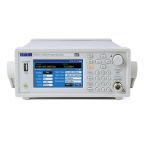
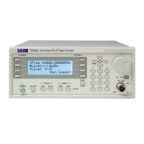
- Aim-TTi TGR2051 RF Signal Generator 1.5GHz max
- Aim-TTi TGR2053 RF Signal Generator 3GHz max
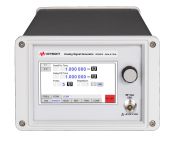
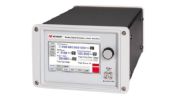
- Keysight Technologies AP5002A RF Signal Generator 12GHz max
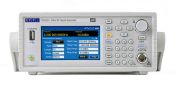
- Aim-TTi TGR6000 RF Signal Generator 6GHz max
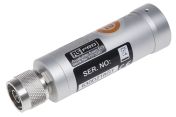
- RS PRO ISG LF44 RF Signal Generator
- Keysight Technologies AP5001A RF Signal Generator 2GHz max
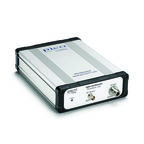
- Pico Technology AS108 RF Signal Generator 300kHz max