Lab Bottles
A laboratory bottle or jar is a container designed to safely store, transport, and handle chemicals, reagents, samples, and solutions. These containers protect materials from contamination, evaporation, or light exposure, ensuring integrity and safety in professional environments.
Lab bottles are available in glass and plastic, each offering unique advantages. Glass provides superior chemical resistance and long-term stability, while plastic offers durability, lightweight handling, and cost efficiency. Specialized options such as reagent bottles, media bottles, and amber jars serve distinct applications across laboratories and industries.
Used in chemical storage, sample collection, microbiology, and pharmaceutical testing, laboratory bottles and jars are essential tools for reliable research and industrial processes.
Glass vs. Plastic Lab Bottles: Which Works Best?
The decision between glass and plastic depends on the nature of your operations:
Glass Bottles
- Offer superior chemical resistance and inertness, making them ideal for sensitive reagents and aggressive solvents.
- Autoclavable for sterilization and reuse — important for cost-efficiency in B2B environments.
- Transparent, enabling quick visual inspection.
- Commonly made from borosilicate glass, which resists thermal shock.
- Best suited for long-term storage and high-purity applications such as quality control.
Plastic Bottles
- Lightweight, shatter-resistant, and safer to transport — minimizing risk in high-volume or field operations.
- Cost-effective, especially for disposable use.
- Available in flexible and rigid forms, depending on application needs.
- Ideal for day-to-day handling, transport, or field sampling.
- Common plastic types for lab bottles include HDPE, LDPE, and polypropylene (PP).
Key takeaway: Glass bottles are preferred for long-term storage of sensitive materials due to their chemical stability and sterility options, while plastic excels in durability, safety, and cost-effectiveness for daily and mobile use.
Types of Laboratory Bottles and Containers
Different applications require specialized designs:
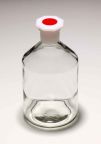
- Reagent Bottles: For chemicals and prepared solutions; often feature stoppers or screw caps to prevent evaporation.
- Sample Bottles: Designed for specimen collection, preservation, and transport in quality control, forensics, or environmental monitoring.
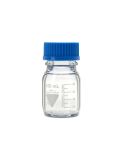
- Media Bottles: Common in biotech and microbiology; usually borosilicate glass or autoclavable polypropylene to maintain sterility.
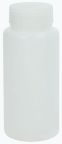
- Wide-Mouth Jars: Best for powders, solids, and pastes; easy to fill and clean.
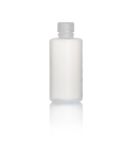
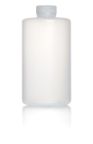
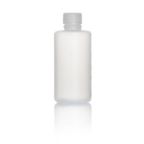
- Narrow-Mouth Bottles: Suited for liquids; reduce spillage and evaporation.
- Amber Glass Bottles: Protect light-sensitive compounds, such as pharmaceuticals or essential oils, from UV and visible light.
Understanding Plastic Materials: HDPE, LDPE, and PP
Selecting the right plastic ensures safety and compatibility:
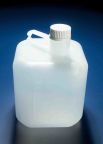
- HDPE (High-Density Polyethylene): Rigid and durable with excellent chemical resistance to most acids bases, alcohols, and hydrocarbons. Suitable for long-term chemical storage. Resistant to temperatures up to approximately 120°C but not autoclavable.
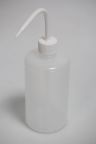
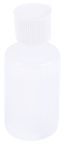
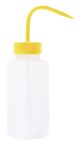
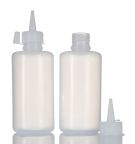
- LDPE (Low-Density Polyethylene): More flexible and squeezable than HDPE lab bottles, translucent, and ideal for wash or squeeze bottles. Has moderate chemical resistance, avoid strong solvents. More environmentally friendly due to recyclability.
- PP (Polypropylene): Semi-crystalline, providing heat resistance and autoclavability. Reliable for sterilized media storage and resistant to many solvents and bases.
Applications of Lab Bottles in the Laboratory
Lab bottles are widely used in business operations across the Philippines:
Chemical Storage: Ensures safe, organized handling of reagents and stock solutions.
Sample Collection: Preserves environmental, forensic, or clinical samples for accurate analysis.
Media Preparation: Supports sterile processes in biotech, microbiology, and food & beverage industries.
Pharmaceutical Testing: Maintains stability and purity of compounds during production and quality control.
How to Choose the Right Laboratory Bottle
When selecting bottles, evaluate:
- Material: Ensure compatibility with the chemical nature of samples or solutions and sterilization requirements.
- Capacity: Choose glass bottles appropriately sized for your sample volume, from small vials to large storage containers.
- Sterilization: Choose materials like borosilicate or PP if autoclaving is required.
- Chemical Resistance: Confirm the lab bottle’s resistance to substances stored, avoiding reactions or degradation.
- Light Sensitivity: Use amber or opaque bottles for light-sensitive compounds to prevent degradation.
Why Buy Laboratory Bottles from RS Philippines
RS Philippines offers a comprehensive range of high-quality lab bottles, laboratory bottles, and lab jars from leading manufacturers like SAM and our very own RS PRO. Our selection includes both laboratory glass bottles and a variety of plastic containers like HDPE, LDPE, and PP, ensuring you have the right materials for any application.
Beyond bottles, our selection also includes other laboratory essentials like chemical absorbents, oscilloscopes, and thermohygrometers to meet the demands of quality control, research, and manufacturing.
We’re proud to offer prompt and dependable delivery services across the Philippines. For more information on our delivery services and fees, please visit our Delivery page.
Popular Searches
Related links
- RS PRO 250ml Glass Narrow Neck Reagent Bottle
- RS PRO 50ml Glass Narrow Neck Reagent Bottle
- RS PRO 500ml Glass Narrow Neck Reagent Bottle
- RS PRO 1L Glass Narrow Neck Reagent Bottle
- RS PRO 100ml Glass Narrow Neck Reagent Bottle
- RS PRO 500ml LDPE Narrow Neck Wash Bottle
- RS PRO 100ml HDPE Wide Neck Storage Bottle
- RS PRO 250ml LDPE Narrow Neck Wash Bottle