Radiation Detectors
Radiation detectors are essential safety tools in the Philippines, used to accurately monitor harmful ionizing radiation levels in real time. These crucial instruments, commonly referred to as Geiger counters, radiation meters, or radiation readers, are capable of detecting and measuring various forms of ionizing radiation, including alpha rays, beta rays, gamma rays, and X-rays. By detecting emissions from unstable atoms, these devices alert users to hazardous ionizing radiation, safeguarding both people and the environment.
The most prevalent type is the Geiger-Müller (GM) tube detector, which identifies excess energy emitted by unstable atoms. Additionally, a radiation meter typically provides output readings on digital or analog displays and can feature audio or visual alerts when pre-set radiation thresholds are exceeded, ensuring immediate awareness for lab, field, or industrial use.
At RS Philippines, you’ll find a collection of these vital environmental monitoring devices.
How Radiation Detectors Work
Radiation detectors operate by sensing and measuring ionizing radiation emitted from radioactive materials or sources. Depending on the technology used, the detector identifies particles or photons through their interaction with the detector’s sensitive components. Here are the common principles behind popular types:
- Geiger-Müller (GM) Tubes: When ionizing radiation passes through the GM tube, it ionizes the gas inside, generating an electrical pulse. That pulse is then counted and converted into a radiation level reading. GM tubes are highly sensitive to alpha, beta, and gamma radiation, making them versatile for general purposes.
- Scintillation Detectors: These detectors use special crystals that emit light (scintillate) when struck by radiation. The light is then converted into an electrical signal by a photomultiplier tube. Scintillation detectors provide fast, accurate measurements and are often used where high sensitivity is needed.
- Semiconductor Detectors: Using materials like silicon or germanium, these detectors produce an electrical charge in response to radiation interacting with the semiconductor material. They offer excellent energy resolution, making them valuable for identifying specific radioactive isotopes.
- Ionization Chambers: These devices measure charge collected from ion pairs created by radiation inside a gas-filled chamber. They are suited for measuring high radiation levels and are commonly used in industrial and medical applications.
Benefits of Radiation Detectors
Using radiation detectors offers numerous advantages, essential for safety, compliance, and operational efficiency:
- Safety Assurance: Early detection of harmful radiation safeguards personnel and the environment from exposure risks. Safeguards prevent serious health problems, including radiation sickness or long-term effects like cancer.
- Regulatory Compliance: Radiation monitoring is often legally mandated in sectors handling radioactive materials. You can ensure adherence to occupational safety and environmental standards with proper monitoring.
- Incident Prevention: Continuous or routine monitoring enables swift identification of leaks, spills, or contamination. Early identification allows prompt corrective actions to avoid accidents and costly downtime.
- Quality Control: In manufacturing and processing industries, radiation detectors help maintain product integrity. They confirm radiation exposure levels remain within acceptable limits, ensuring product safety and quality.
- Data Analytics and Reporting: Modern detectors offer data logging and connectivity features. Such features facilitate detailed radiation exposure records, required for audits, research, and operational reviews.
- Versatility and Portability: Handheld and robust devices allow users to conduct field inspections, emergency responses, and mobile assessments wherever needed. Portability makes them adaptable to diverse work environments.
Types of Radiation Meters and Geiger Counters
Radiation meters and Geiger counters come in various forms:
- Handheld Radiation Detectors: These compact and lightweight devices are highly portable radiation meters, ideal for mobile monitoring and on-site assessments in the Philippines. A handheld radiation detector also allows users to quickly scan areas for elevated radiation levels.
- Industrial Geiger Counters: Engineered for high sensitivity and rugged builds, an industrial Geiger counter is designed to withstand harsh industrial conditions. These robust units are essential for continuous radiation monitoring in factories, power plants, and other demanding environments.
- Radiation Monitoring Devices: These devices are typically used for continuous surveillance in sensitive environments, providing ongoing data collection and alerts. They can also be part of a larger system for comprehensive radiation safety management.
- Digital Radiation Meters: Offering real-time data display and often featuring data logging capabilities, digital radiation meters provide precise numerical readouts of radiation levels. This enables accurate analysis and record-keeping, which is crucial for compliance and safety protocols.
**Where Radiation Detectors Are Used Across Industries **
Radiation detectors help protect personnel and the environment from harmful ionizing radiation. They are indispensable tools across a multitude of industries in the Philippines, including:
- Discrete Manufacturing: In discrete manufacturing, radiation detectors play a vital role in quality control, particularly for electronic components that may have been exposed to radiation during production or sterilization.
- Process Manufacturing: In process manufacturing, such as pharmaceutical production or chemical processing, radiation meters play a crucial role in maintaining strict radiation control. They monitor areas where radioactive isotopes might be used or by-products generated, ensuring worker safety and product integrity.
- Energy and Utilities: The energy and utilities sector, especially nuclear power plants, heavily relies on advanced monitoring devices for constant radiation leak detection. These systems are crucial for ensuring operational safety, protecting the environment, and complying with stringent regulations.
- Facilities and Intralogistics: In facilities such as hospitals and imaging labs across the Philippines, radiation detectors play a crucial role in ensuring health and safety. They monitor X-ray equipment, radiation therapy units, and radioactive waste, ensuring a safe environment for patients and medical personnel. This also extends to general intralogistics, where potentially radioactive materials might be transported or stored.
How to Choose the Right Radiation Meter
Before you buy a radiation detector, make sure you understand how to select the appropriate model to ensure effective and safe radiation monitoring. Consider these key factors to guide your purchasing decision:
- Radiation Type: Determine which types of radiation you need to detect, as different radiation meters are optimized for alpha, beta, gamma, or X-ray detection. Also, note that some advanced models can detect multiple types, offering versatility for varied environments.
- Portability: Assess whether you require a portable radiation meter for mobile, on-site assessments or a fixed installation for continuous monitoring in a specific area. If you’re surveying different locations, handheld units can provide the flexibility you need.
- Display Type: Choose between analog meters, which offer a visual needle-based readout, or digital meters, which provide precise numerical displays. Often, digital models include audio or visual alerts that trigger when pre-set radiation thresholds are exceeded, enhancing immediate awareness.
- Sensitivity: The required sensitivity depends on your application. For example, industrial settings or specialized research might demand higher precision. On the other hand, general personal use or quick checks may suffice with a less sensitive device.
- Compliance: When considering Geiger counters for sale, ensure the radiation meter meets the relevant safety standards and regulatory requirements for your specific industry or application in the Philippines.
- Additional Functionalities: Data logging, Bluetooth or wireless connectivity, ruggedness, battery life, and maintenance requirements are also practical considerations when comparing models for professional use.
Why Buy Radiation Detectors from RS Philippines?
When you need a reliable radiation detector, RS Philippines is your trusted partner. We offer a collection of high-quality radiation detection devices from leading brands like RS PRO and Seeit, ensuring you have access to the right tools for your safety and monitoring needs.
Additionally, our selection includes versatile Geiger counters suitable for fieldwork, precise laboratory use, or fixed industrial installations. We understand that finding the right radiation detector at a reasonable price is also important. As such, we strive to offer competitive options across our entire inventory.
Plus, you can turn to us for other environmental test and measurement equipment, including vibration meters and portable anemometers. Beyond our diverse product range, RS Philippines offers fast delivery and dedicated local support nationwide. Our team of technical experts is readily available to offer product advice and assist you in selecting the ideal radiation meter for your specific application, building trust through comprehensive service.
Discover our range of radiation detectors today and protect your environment.
2 Products showing for Radiation Detectors
Related links
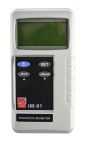
- RS PRO IM-91 Radiation Meter for detecting Beta Rays X Rays
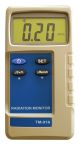
- Seeit TM-91 Radiation Meter for detecting Beta Rays X Rays
- Infrared Temperature Sensors
- SGX Sensors VQ549ZD, Flammable Gas Sensor IC for Portable Gas Detectors
- SGX Sensors MICS-6814, Gas Sensor IC for Portable Gas Detectors
- SGX Sensors VQ546M, Methane Gas Sensor IC for Portable Gas Detectors
- SGX Sensors VQ548ZD, Flammable Gas Sensor IC for Portable Gas Detectors
- SGX Sensors VQ546MR, Methane Gas Sensor IC for Portable Gas Detectors