Durometers
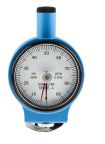
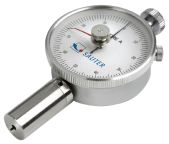
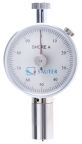
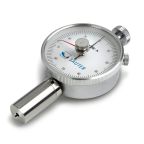
Durometers are handheld devices used to measure the hardness of materials such as hard rubbers, flexible elastomers, and rigid plastics. By employing standardized testers or scales such as Shore A and Shore D, durometers enable accurate and repeatable assessment of material hardness critical for quality control, product development, and material selection across industries.
Sometimes, confusion can arise when the Shore scale overlaps, so always use the Shore scale set out by industry standards and use the correct durometer gauge. Understanding and selecting the correct durometer type according to the material under test is crucial to obtaining reliable results and meeting industry standards.
Types of Durometers
Understanding the different types of durometers is essential when selecting the right instrument for accurate hardness measurement across various materials. Each scale and format is designed to suit specific material ranges, ensuring reliable and repeatable testing.
- Shore A Durometer / Shore A Hardness Tester: Ideal for softer materials such as rubber bands, seals, gaskets, and general-purpose elastomers.
- Shore D Durometer / Shore D Hardness Tester: Suitable for harder plastics, semi-rigid elastomers, construction materials, and injection-molded components.
- Shore OO / O / OOO Scales: Used for very soft foams, gels, sponges, and low-density materials where standard A or D scales are too firm.
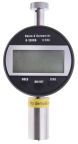
- Analog Durometer vs Digital Durometer Shore A: Analog models offer simplicity and durability, while digital models provide higher precision, data-hold functions, and easier reading for consistent quality control.
How Does a Durometer Work?
A durometer operates by pressing a standard-force indenter into the surface of a material and measuring the depth of penetration under a defined load. The resulting depth is then translated into a hardness value on the appropriate scale, such as Shore A for softer elastomers or Shore D for more rigid plastics, ranging from 0 to 100.
As a rule, the higher the durometer reading, the more complex the material, since less indentation occurs. To ensure consistent results, factors such as proper material thickness, a flat, stable surface, and controlled temperature conditions must be considered during testing, enabling the durometer hardness tester to deliver accurate, repeatable measurements.
Features and Benefits of Durometers
A durometer provides a fast, reliable way to evaluate material hardness, making it essential for manufacturing, inspection, and product development.
- Rapid Measurement: Enables quick hardness checks during production or field inspections for efficient quality control.
- Standardized Scales: Using Shore A, Shore D, and other recognized durometers ensures repeatable, comparable results across materials.
- Material Selection Aid: Helps engineers select the right stiffness or hardness for components such as seals, tires, and gaskets.
- Portability & Field Use: Handheld designs of durometers are convenient for factory floors, labs, and on-site evaluations.
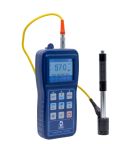
- Digital Data Output: Digital models offer traceable readings and data export features to strengthen QC documentation and reporting.
Applications of Durometers
A durometer is widely used across manufacturing and engineering environments where precise hardness verification is critical for performance, durability, and compliance.
- Automotive: Essential for assessing the hardness of tires, bushings, O-rings, and molded rubber components to ensure consistency and safety.
- Plastics & Elastomers Manufacturing: The testers support accurate control of rigidity or flexibility by validating Shore hardness during production.
- Quality Control & Incoming Materials: Helps verify hardness in elastomer sheets, seals, hoses, and other materials before they move into assembly.
- Foams & Soft Materials: Shore OO and Shore A scales enable reliable testing of gaskets, cushioning materials, medical gels, and specialty foams.
- Construction & Industrial Goods: Useful for evaluating rollers, wheels, and flooring materials, with both Shore A durometer testers and Shore D durometer hardness testers applied as needed.
How to Choose the Right Durometer
Selecting the right durometer ensures accurate hardness measurement and dependable quality control across materials and applications.
- Select Appropriate Scale: Use Shore A for soft elastomers and Shore D durometers for harder plastics to match material stiffness.
- Choose Model Type: Decide between analog and digital models; digital units offer data storage and improved traceability.
- Ensure Calibration & Accuracy: Opt for suppliers that provide calibration certificates and perform periodic verification to ensure consistent results.
- Check Material Thickness & Test Surface: Confirm samples meet the minimum thickness requirements to prevent errors caused by substrate influence.
- Field vs Lab Use: Pick rugged handheld models for on-site testing, while benchtop options suit controlled lab environments.
- Budget & Pricing: When buying durometers, evaluate features against the current price in the Philippines.
Why Choose RS for Durometers?
At RS, we offer high-quality durometers in the Philippines, from basic analog options to advanced digital and Shore D models, alongside reliable support to help you select the correct scale and type for your application. You’ll also find trusted brands such as Sauter and RS PRO, with calibration assistance available to ensure accuracy. We also supply a wide range of other test and measurement devices, including fiber testers, spring balances, and more.
With transparent prices of durometers and fast local delivery, buying the right hardness tester becomes easier and more efficient. For detailed information about shipping and delivery in the Philippines, refer to our delivery page.