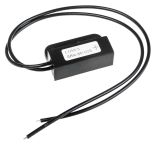
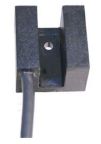
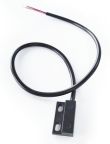
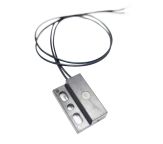
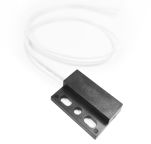
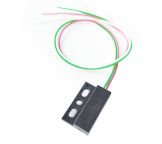
Magnetic Proximity Switches
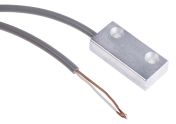
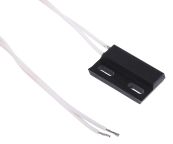
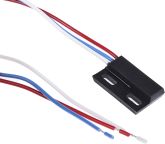
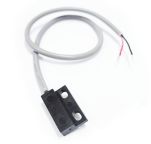
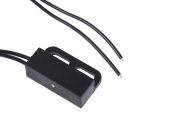
A magnetic proximity switch (also referred to simply as a magnetic switch) is a non-contact sensor specifically engineered to detect the presence, position, or movement of a magnet or ferromagnetic target using an applied magnetic field. These switches are widely applied across numerous industries, finding primary use in automation, safety systems, and accurate limit detection. Their utility in these harsh environments stems from their robust, sealed construction, which resists contaminants like dust, moisture, and vibration.
How Magnetic Proximity Switches Work
Magnetic proximity switches function by detecting changes in magnetic field strength via one of three sensing elements: reed-switches, Hall effect sensors, or magneto-resistive elements. When a magnet or magnetic field approaches the sensor’s detection area, the magnetic flux crosses a threshold, changing the switch's output state (e.g., closing a normally open (NO) contact).
This non-contact detection offers significant advantages:
- Detection Through Non-Metallic Materials: The sensor can detect targets through non-magnetic materials like plastic or aluminum.
- Resistance to Harsh Environments: It resists harsh environments filled with dust, moisture, or vibration.
- Reduced Mechanical Wear: Mechanical wear is greatly reduced because there is no physical contact.
Types of Magnetic Proximity Switches
Magnetic proximity switches come in a wide array of variations, such as:
Reed Switch-Based Magnetic Proximity Switches
Reed switches consist of two ferrous reeds hermetically sealed inside a glass tube. When exposed to a magnetic field, the reeds magnetize, closing or opening the circuit. These switches are highly reliable, require no external power to actuate, and come in variants like cylindrical, flat, high-temperature, and heavy-duty models for various loads and environments.
Solid-State Magnetic Proximity Sensors
These sensors use Hall-effect or magneto-resistive components to electronically detect changes in magnetic fields. Unlike reed switches, they have no moving parts, resulting in extended operational life, fast response times, and high durability against shock and vibration. Their stable transistor outputs (NPN or PNP) are also a key feature, ensuring seamless and reliable electronic integration into automation controllers.
Contact Configurations and Outputs
Magnetic proximity switches are also available with different electrical configurations to match control system needs. These include mechanical contact types like normally open (NO), normally closed (NC), SPST, and SPDT (Changeover). These configurations are designed to handle both AC and DC voltages, ensuring versatility when integrating the switch into different low-voltage control circuits or industrial relay systems.
Features and Benefits
The fundamental design of a magnetic proximity switch offers several technical and operational advantages over traditional mechanical sensors, such as:
- Non-Contact Detection: Since no physical contact is required between the switch and the magnet, there is minimal mechanical wear, resulting in a significantly longer operating life.
- Harsh-Environment Suitability: These switches can reliably detect targets through non-magnetic materials and tolerate exposure to dust, moisture, and high vibration without failure.
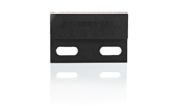
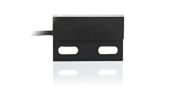
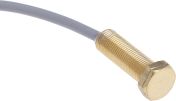
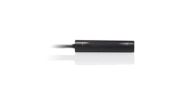
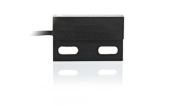
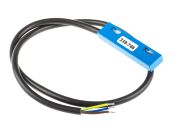
- Compact Form Factors: Available in small, versatile designs such as threaded barrels, rectangular blocks, and options for flush or non-flush mounting, allowing for flexible and space-saving installation in tight machinery.
- High Reliability and Repeatability: The sealed glass tube construction protects the internal components from corrosion, ensuring consistent and precise position detection crucial for industrial automation processes.
How to Select the Right Magnetic Proximity Switch
Choosing the correct sensor involves matching the switch's technical specifications to the demands of your application. Here’s what to keep in mind:
- Target Type and Magnet Arrangement: Ensure the magnet or ferromagnetic target is correctly sized and aligned to achieve the required pull-in (switching) distance for reliable operation.
- Form Factor and Mounting: Select the appropriate form factor (e.g., barrel or rectangular body) and mounting style (flush or non-flush) based on the target material and the available installation space.
- Output Configuration: To ensure workplace electrical safety, verify the electrical specifications, including the operating voltage and current, and confirm whether the required switching action is normally open (NO), normally closed (NC), or both.
- Environmental Requirements: Ensure the sensor is correctly rated for the ambient temperature, anticipated vibration levels, and the necessary Ingress Protection (IP) rating for harsh or wet environments.
- Budget and Pricing: When evaluating costs, compare the overall price of the magnetic switch against its technical performance, and ensure to check local supplier availability within the Philippines for dependable after-sales servicing.
Applications of Magnetic Proximity Switches
The robustness and non-contact operation of the magnetic proximity switch makes it ideal for reliable detection across various industrial sectors, such as:
- Position Sensing in Industrial Automation: These switches are widely used to detect the travel end-limits of pneumatic and hydraulic actuators, conveyor parts, and automated machinery, ensuring precise and reliable operation.
- Safety Door or Gate Monitoring: They form essential parts of safety interlocks, detecting the open or closed status of protective machine doors, hatches, and guards using a magnet and switch arrangement.
- Rotary/Shaft Detection: By embedding magnets into a rotating shaft, the sensor can accurately detect rotational position or speed, serving as a reliable alternative to traditional mechanical encoders.
- Plastics/Packaging/Food Production: These industries use the sensor's ability to detect magnet-equipped components through non-metallic housings, which is crucial for monitoring sealed processes or fluid levels.
- Harsh Environments/High-Vibration Zones: The sealed, non-contact nature of the sensor ensures high reliability when exposed to contaminants. For instance, the magnetic proximity switch is commonly used in the Philippines in food processing or mining equipment where its durable design withstands continuous high vibration, dust, and wash-down procedures.
Why Buy Magnetic Proximity Switches from RS Philippines?
Acquiring your magnetic proximity switches from RS Philippines’ digital platform is a straightforward and dependable process. Our extensive online catalogue offers a wide selection of top-quality magnetic switch solutions, as well as related products such as timer relays and photoelectric sensors, from leading brands such as Celduc, SICK, Assemtech and more. Once you've selected your preferred products, simply proceed to checkout via any of our convenient online payment options.
When you purchase your magnetic proximity switches from us, you're investing in quality assurance and expert technical support. This, coupled with our competitive prices, ensures you get the best value without compromising on durability or operational precision.
Our streamlined delivery services also ensure the swift, nationwide doorstep delivery of your products across the country. For complete specifics on dispatch timelines, applicable charges, and available shipping choices, kindly consult our dedicated Delivery Page.