Power Inverters
A power inverter is a critical component in modern electrical systems, enabling the conversion of direct current (DC) into alternating current (AC). Since most residential, commercial, and industrial equipment relies on AC for operation, inverters bridge the gap between DC power sources such as batteries, solar arrays, or automotive alternators, and the AC loads they are required to power.
In the Philippines, where grid reliability and energy efficiency are major concerns, DC inverters play an important role in delivering dependable electricity for households, transportation, and industrial environments. Modern inverters incorporate advanced electronics, such as efficiency optimization, waveform control, and protection circuits, to deliver safe and stable AC power for a wide variety of applications.
What Is a Power Inverter?
A DC to AC power inverter is an electronic device designed to convert low-voltage DC input (commonly 12V, 24V, or 48V) into mains-equivalent AC output, typically 220V at 60Hz in the Philippines.
Conversion Mechanism
DC to AC power inverters all work on the same principle. The inverter receives DC input, commonly 12V, 24V, or 48V, and uses high-frequency switching semiconductors such as IGBTs or MOSFETs controlled by Pulse Width Modulation (PWM) to rapidly switch DC input voltage into an AC waveform. This waveform is then shaped and stabilized using transformers and filters to generate clean sine wave or modified sine wave power, used to connect household or industrial AC loads.
Types of Inverters
- Pure Sine Wave Inverters: Produce clean, grid-quality AC output, ideal for sensitive electronics such as medical equipment, IT hardware, and modern appliances.
- Modified Sine Wave Inverters: A more cost-effective power inverter option suitable for general household loads, although they are less precise for sensitive equipment.
- Square Wave Inverters: An older and largely obsolete technology, such power inverters are suitable only for simple resistive loads, such as incandescent lighting or heating elements.
Common Features
High-quality inverters often include voltage regulation, thermal management systems, overcurrent and short-circuit protection, and automatic shutdown under abnormal conditions. Together, these features ensure that an inverter power supply remains stable, efficient, and safe.
How Do Fixed Installation DC-to-AC Power Inverters Work?
A continuous power inverter in a fixed installation operates through several stages:
- Input Stage: DC power is drawn from a source such as a 12V battery bank, solar photovoltaic array, or other storage system.
- Conversion Process: The inverter’s electronics switch the DC rapidly, generating a pulse-width-modulated (PWM) output. Depending on the inverter type, this is refined into either a pure sine wave or a modified sine wave AC.
- Output Stage: The processed AC is then stepped up via a transformer (if required) and filtered to ensure consistent voltage and frequency, typically 220V at 60Hz in the Philippines.
Efficiency Factors
The performance of a 12V power inverter or larger system depends on conversion efficiency, thermal design, and waveform quality. Premium pure sine wave inverters often achieve 90–95% efficiency, reducing energy waste and prolonging equipment lifespan.
What Are Fixed Installation DC to AC Power Inverters Used For?
DC power inverters have wide-ranging applications across residential, industrial, and renewable energy systems:
- Home Appliances: Inverters allow refrigerators, televisions, washing machines, and air conditioners to operate from stored battery power during blackouts or off-grid living.
- Industrial Systems: Machinery, pumps, and control equipment that depend on AC power rely on inverters for operation in environments where only DC sources are available.
- Renewable Energy: Solar and wind energy systems generate DC, which must be converted into AC for household or grid use. A DC to AC power inverter ensures seamless integration.
- Backup Power Systems: As part of UPS solutions, inverters provide continuous AC during mains interruptions, preventing downtime and equipment damage.
In short, a reliable inverter power supply is essential for both continuity and efficiency across diverse applications.
Types of Power Inverters
Power inverters are generally classified by the waveform of their AC output and sometimes by their application or use case. Choosing the right type of power inverter depends on the devices being powered and the operating environment.
Waveform-Based Types
- Pure Sine Wave Inverters: Produce clean, smooth AC identical to grid supply. They are essential for sensitive electronics, audio-visual equipment, and precision medical instruments.
- Modified Sine Wave Inverters: While affordable and adequate for many household devices, they can create interference in equipment such as fluorescent lighting, microwaves, or audio gear.
- Square Wave Inverters: Square wave power inverters are inexpensive but limited to very basic resistive loads like heating elements. Rarely recommended for modern applications due to compatibility issues with most electronics.
Application-Based Types
- Car Power Inverters (DC to AC Car Inverters): Compact and portable, car power inverters are designed to plug into a vehicle’s 12V DC socket or battery connection. They provide AC outlets for charging laptops, mobile devices, and small appliances, making them practical for in-vehicle travel, camping, and mobile workstations.
- Solar/Hybrid Inverters: Used in renewable energy systems, these inverters convert DC from solar panels or batteries into AC for household or grid use. Many hybrid inverters can also manage battery charging and grid interaction.
Benefits of Power Inverters
Incorporating a power inverter into your system delivers multiple advantages. By leveraging these benefits, users can reduce dependency on grid supply, increase system resilience, and enhance productivity.
- Versatility: Supports a wide range of AC-powered appliances, from basic lighting to advanced industrial equipment.
- Convenience: Power inverters make it easy to power AC devices directly from DC sources like solar panels or vehicle batteries.
- Energy Efficiency: Modern designs minimize conversion losses, ensuring maximum use of stored or generated energy.
- Portable Options: Compact inverters, including 12V power inverter models, enable mobile power access for camping, fieldwork, or vehicle use.
Applications of Power Inverters
The deployment of power inverter solutions spans multiple environments:
- Home Use: Ideal for backup systems and renewable energy integration, allowing stored DC to be converted into AC for essential household appliances.
- Automotive: A power inverter for cars lets drivers charge electronics, run portable refrigerators, or operate tools directly from the vehicle battery.
- Industrial Use: Factories and workshops rely on DC to AC power inverters to drive motors, conveyors, and other production equipment.
- Outdoor and RV Use: Recreational vehicles and camping setups often include portable inverters to power lights, cooking appliances, and entertainment systems off-grid.
The ability to buy power inverter units online in the Philippines ensures that both businesses and individuals can access tailored solutions to match their power requirements.
How to Choose the Right Power Inverter
When evaluating inverters, consider the following technical and operational parameters:
- Power Rating: Ensure the inverter capacity (in watts) exceeds the combined load of connected devices. Oversizing slightly prevents overload shutdowns.
- Efficiency: Select models with ≥90% efficiency to reduce energy waste.
- Type of Inverter: Opt for pure sine wave if running sensitive electronics; modified sine wave may suffice for general loads.
- Voltage Compatibility: Match the inverter input with your system voltage (12V, 24V, or 48V). For vehicle applications, a 12V power inverter is standard.
- Portability: Portable units are ideal for light, mobile applications. For high-demand setups, install a fixed DC-to-AC converter with higher continuous ratings.
By aligning these factors with your operational needs, you can select the most efficient, reliable, and cost-effective inverter.
The Trusted Supplier and Distributor of Power Inverters in the Philippines
RS Philippines supplies a comprehensive range of DC inverters, from compact automotive models to high-capacity continuous power inverters for industrial installations. Our portfolio features a wide range of power supplies and transformers, such as SMPS power supplies, universal power supply units, and UPS devices. We source from industry-trusted brands such as RS PRO, MEAN WELL, and Custom Power Design, ensuring quality, performance, and compliance with international standards.
Browse our online catalogue to compare specifications and explore competitive power inverter options. For further details on delivery timelines, bulk orders, or technical support, please visit our delivery information page.
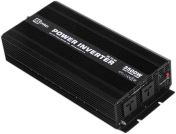
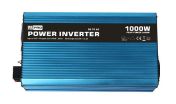
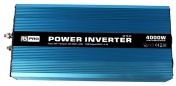
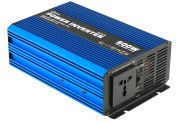

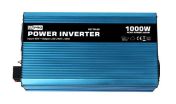
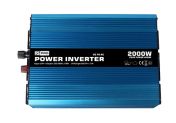
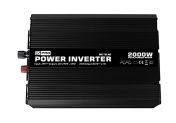
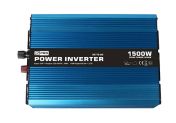
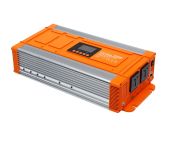

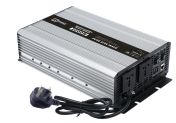
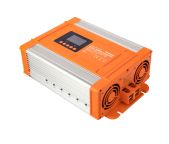
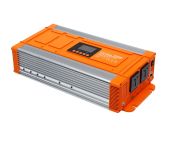
Related links
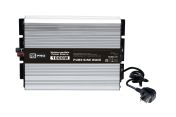
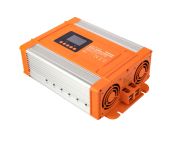
- Mascot Quasi Sine Wave 300W Power Inverter 230V ac Output
- MEAN WELL Pure Sine Wave 200W Power Inverter 230V ac Output
- COTEK Pure Sine Wave 1000W Power Inverter 194 → 246V ac Output
- MEAN WELL Pure Sine Wave 3000W Power Inverter 230V ac Output
- MEAN WELL Pure Sine Wave 3000W Power Inverter 230V ac Output
- RS PRO Modified Sine Wave 3500W Power Inverter 230V ac Output
- MEAN WELL Pure Sine Wave 3000W Power Inverter 230V ac Output
- COTEK Pure Sine Wave 1000W Power Inverter 194 → 246V ac Output