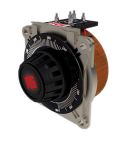
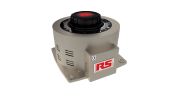
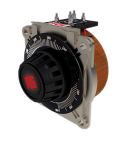
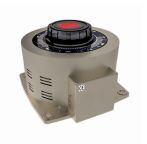
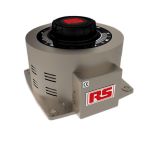
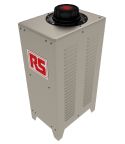
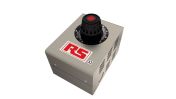
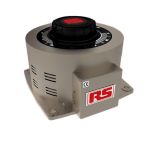
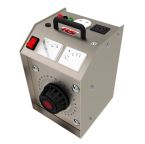
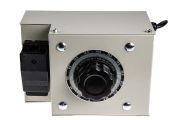
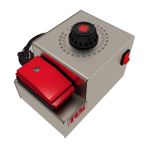
Variacs
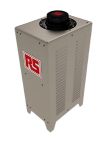
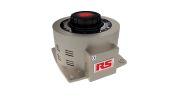
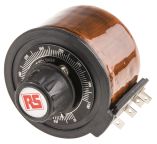
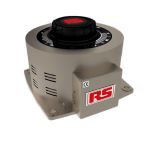
Variacs, also widely recognized as variac transformers, variable autotransformers, variable power transformers, or “auto vars”, are a specialized type of electrical transformer that provides a continuously adjustable AC output voltage from a fixed AC input. This makes them indispensable for electrical testing, equipment calibration, and voltage control applications.
Variacs tend to be smaller, lighter, and less expensive compared to conventional two-winding transformers. They also have lower leakage reactance, lower excitation current, and higher VA rating for a given size and mass.
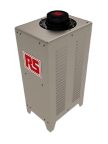
Variacs are commonly used in laboratories, industrial repair shops, and manufacturing facilities across the Philippines where stable, yet adjustable power is required. They are available in several formats for different load requirements, most notably single phase variacs for bench-top testing and small electrical tools, and 3-phase variacs for heavy-duty industrial applications such as high-capacity motor testing or plant-wide voltage regulation.
What Is a Variac (Variable Autotransformer)? How Does a Variac Work?
A variac is an AC power control device with an adjustable output voltage. The name originates from "variable alternating current”.
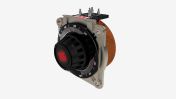
Unlike conventional transformers that use separate primary and secondary windings, a variable transformer consists of a single continuous winding wrapped around a ring-shaped (toroidal) or laminated magnetic core. A movable carbon or metal brush makes contact with exposed turns of the winding. Rotating the control dial shifts this contact point, changing the effective turns ratio and allowing the output voltage to be adjusted smoothly.
Because the input and output share a common winding, a variable autotransformer does not provide galvanic isolation from the mains supply. This design enables efficient voltage adjustment but requires careful attention to safety practices during operation.
One of the key advantages of using a variable power transformer is that it maintains the input sine-wave shape. Unlike electronic controllers based on phase-angle control or PWM (Pulse Width Modulation), a variac adjusts voltage without waveform chopping, providing a clean, low-distortion output that closely matches the input waveform. This makes it ideal for sensitive analog, audio, radio-frequency (RF), and calibration applications. However, because a variac is an autotransformer with inherent winding and contact resistance, the output voltage may decrease slightly as the load current increases. Selecting a unit with an adequate VA or current rating helps minimize voltage drops and maintain stable output during operation.
Most variac models provide an output range from 0V up to approximately 100% of the input voltage, with some designs in the Philippines offering a limited over-voltage capability (typically up to ~110–115% of nominal input, such as 250V from a 230V supply).
How to Use a Variac Safely (Setup & Operation)
When operating a variac transformer, always adhere strictly to industrial electrical safety protocols to prevent equipment damage or personal injury:
- Check Ratings First: Before connecting any load, ensure the input voltage and frequency match your local utility (e.g. 230V/60Hz in the Philippines). Most importantly, verify that the load's current draw does not exceed the variac’s rated current or VA capacity.
- Start Low, Increase Slowly: Always set the dial to zero before energizing the unit. Gradually raise the voltage while monitoring built-in or external meters to avoid surging sensitive components.
- Protect the Circuit: Use appropriate fuses or Miniature Circuit Breakers (MCBs) on the input or output side. For those repairing “live-chassis” electronics, it is highly recommended to place an isolation transformer upstream of the variac to provide a safety barrier.
- Cooling & Duty Cycle: Ensure the unit is placed in a well-ventilated area. Variable transformers generate heat during operation, and continuous operation must remain within the manufacturer’s thermal and duty-cycle limits.
- Check Grounding: Always ensure the chassis or enclosure is properly earthed. Never assume the device provides isolation from the mains.
Types of Variac Transformers
Variable autotransformers come in several configurations tailored to specific environments:
- By Phase: A single phase variac is the standard for electronics benches, hobbyist workshops, and small appliance testing. In contrast, a 3-phase variac is essential for industrial loads such as industrial motors, commercial heaters, and large-scale manufacturing plant equipment.
- By Control Mechanism: Manual units use a rotary dial for hands-on adjustments while motor-driven (motorized) variacs enable automated or remote voltage control in test systems or production environments.
- By Construction: Variacs come as open-core models for panel mounting inside larger machines, enclosed bench models for laboratory use, or rack-mount versions for data centers and audio-visual installations.
- By Output Range: Standard models provide 0–100% of input voltage, while “boosted” output models allow the user to go slightly above the nominal mains voltage (e.g. reaching 250V or 270V from a 230V source).
Features & Benefits of Variacs
- Smooth AC Control: Variable power transformers provide stepless, linear AC voltage control for testing, calibration, and controlled power-up procedures.
- Low Distortion Output: Maintains a clean sine-wave output with minimal harmonic distortion, suitable for sensitive analog, medical, or audio equipment, or radiofrequency loads.
- Robust Construction: Mechanical simplicity and the absence of active electronics contribute to long service life when operated within rated limits.
- Wide Power Range: Available in current ratings ranging from small bench units to high-capacity industrial models.
Applications of Variac Transformers
Variac transformers and autotransformers are frequently used in the Philippines for:
- Electronics Test & Repair: Ramping up supply rails safely to find shorts, reforming old electrolytic capacitors, and performing “burn-in” tests at controlled voltages.
- Motors & Heaters: Adjusting the speed of universal AC motors or controlling the heat output of resistive elements (like those in industrial ovens) without the noise of electronic dimmers.
- Power Distribution & Compensation: Compensating for voltage drops in long feeder lines or test setups under controlled conditions.
- Lighting & Labs: Dimming tungsten/filament lamps, driving lab experiments that require adjustable AC.
- Process & QA: Voltage margining to verify equipment performance at high/low lines.
- Audio Systems: Adjusting speakers to constant-voltage distribution or matching impedance levels in professional sound rigs.
How to Choose a Variac
Choosing the right variac unit requires balancing technical needs against practical requirements.
- Input & Output Range: Match your local mains (230V/60Hz). Decide if you need an output that goes higher than the input for testing "over-voltage" conditions.
- Current/VA Rating: Calculate your load’s current at the maximum output voltage. It is best practice to choose a unit with at least 20% headroom to handle inrush currents.
- Phase & Configuration: Single-phase units are standard for home labs and small electronics repair, while a 3-phase variac is essential for industrial plant loads, such as large motors or commercial heaters. You should also choose between a portable, panel-mount, or rack-mount unit.
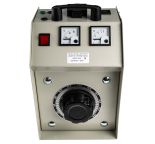
- Metering & Controls: For precise work, look for built-in digital or analog voltmeters and ammeters. This provides real-time feedback without needing an external multimeter. If your application involves automated testing, consider a motorized variac that can be controlled remotely.
- Thermal & Duty Cycle: Consider whether the unit will be running 24/7 or intermittently; variacs intended for continuous use require better ventilation or natural convection cooling. Check the manufacturer’s duty cycle ratings to ensure the insulation can handle the thermal stress of your specific process.
- Environment: Assess your workspace for factors like footprint, ambient temperature, and potential exposure to moisture or dust. Choose an appropriate IP rating for the enclosure, particularly for industrial temperature probe environments or high-humidity coastal zones.
- Budget: RS offers variable and competitive variac transformer prices in the Philippines, enabling you to stick to your budget no matter the project demands.
Installation & Safety Notes
Installing and maintaining a variac correctly is essential for both the longevity of the variable transformer and the safety of the operator. Because these units are often used in specialized testing environments, adhering to proper electrical standards is paramount.
- Wiring & Earthing: Always follow the specific terminal markings on the unit (e.g. Input/Line and Output/Load). Unlike standard transformers, a variac is an autotransformer, meaning the neutral is common to both input and output. The frame or enclosure needs to be securely earthed to the building’s grounding system to prevent the metal casing from becoming live in the event of a fault.
- Over-current Protection: It is recommended to install a fuse or MCB on the input and/or output side to protect the delicate windings and carbon brush. This should be sized precisely to the unit’s maximum current rating. Remember, a variac can still be overloaded even at low output voltages if the current exceeds the rated limit.
- No Isolation Warning: It is critical to understand that a variac transformer does not provide galvanic isolation from the mains. This means that the output terminals are “hot” relative to the ground. If you are performing “live-chassis” repair work on electronics, you must use a separate isolation transformer in series with the variac to avoid lethal shock hazards.
- Mechanical Care: The health of a variable autotransformer depends on its mechanical integrity. Avoid over-rotating the control knob against the limit stops as this can damage the internal mechanism. Regularly inspect the copper winding track and keep the wiper path clean from dust or debris using a dry, lint-free cloth. If the unit begins to spark or shows signs of uneven voltage, the carbon brushes should be serviced or replaced as specified by the manufacturer.
Why Buy Variacs from RS Philippines?
When you need reliable power regulation, RS is the preferred choice for engineers and technicians across the Philippines. We supply and distribute components from renowned manufacturers like RS PRO and Caroll & Meynell to support your project demands.
Our comprehensive selection of single-phase and 3-phase variac transformers includes various formats such as bench-top, panel-mount, rack, motorized, and metered variants. Our one-stop online shop means you can easily add isolation transformers, digital meters, fuses, and power cords to your basket in a single order, simplifying the procurement process.
By buying a variac from RS Philippines, you gain access to detailed datasheets providing VA/current curves and wiring diagrams to assist you in selecting the correct component for your project. Our prices are competitive and transparent with no hidden fees and reliable nationwide shipping to Manila, Cebu, Davao, and beyond. Explore our full range of components or visit our delivery information page.