Copper Wire
Copper wire is a type of electrical conductor made from the metal copper. It is widely used in electrical wiring, electronics, power distribution, and many types of cabling. Copper is preferred for conductor applications because of its excellent electrical conductivity, good thermal conductivity, and natural corrosion resistance, making it suitable for both low-voltage signal wiring and higher-current power systems.
Copper is widely used for electrical wiring because its exceptional electrical conductivity minimises resistance and power loss, while its high thermal conductivity effectively dissipates heat to ensure system reliability. Beyond these thermal and electrical advantages, copper’s inherent malleability and ductility allow it to be easily drawn into thin conductors or bent into complex shapes without fracturing.
Copper wire is typically manufactured by drawing copper rods through a series of precision dies to gradually reduce their diameter and form a long, continuous conductor. This process, known as wire drawing, allows copper conductors to be produced in a wide range of sizes to meet different electrical requirements.
The size of copper wire can vary depending on the application, ranging from fine conductors used in electronic devices and signal cables to larger conductors used in power distribution, grounding, and industrial electrical systems. These properties enable copper wires to be manufactured in both solid and stranded forms, making them suitable for a wide variety of cable constructions and installation requirements.
What Are The Benefits of Using Copper Wire?
Copper wire offers a range of advantages that make it the preferred choice for safe, efficient, and long-lasting electrical installations across residential, commercial, and industrial applications.
- Excellent Electrical Conductivity: Copper is one of the most conductive metals used in electrical engineering, second only to silver among commonly used conductor materials. This high conductivity allows electrical current to flow with low resistance, helping reduce energy losses and improve overall system efficiency.
- High Thermal Conductivity: Copper efficiently transfers heat away from current-carrying conductors. This helps disperse heat generated during electrical operation and reduces the risk of localized overheating when wiring is correctly designed and rated.
- Ductility and Flexibility: Copper is highly malleable and ductile, allowing it to be drawn into fine wires and bent during installation without cracking. Copper conductors are commonly manufactured in solid or stranded configurations, enabling both rigid wiring and flexible cable designs.
- Corrosion Resistance: Copper offers good natural resistance to corrosion compared with many other metals used in electrical applications. In environments where additional protection is required, tinned copper wire may be used to improve resistance to moisture, oxidation, or marine conditions.
- Compatibility with Electrical Components: Copper conductors are compatible with a wide range of connectors, terminals, and soldering processes, making them easy to integrate into electrical and electronic systems designed to IEC and other international wiring standards.
- Reliable and Safe Performance: When correctly sized, insulated, and installed in accordance with relevant electrical standards, copper wire provides reliable current-carrying capacity and predictable thermal behavior. These characteristics support long-term electrical safety and system performance.
Applications of Copper Wire
Copper wire is used in a wide range of real-world applications due to its superior electrical and thermal properties, durability, and versatility across industries.
- Electronics: Used extensively in printed circuit boards, internal wiring, and connectors of consumer electronics and computer devices to ensure reliable signal transmission.
- Automotive Industry: Copper wire is essential in automotive wiring harnesses, electrical systems, and motors, supporting efficient vehicle operation.
- Power Transmission and Distribution: Copper wire conductors are used in transformers, switchgear, busbars, and electrical distribution wiring to deliver electrical power efficiently.
- Renewable Energy Systems: Solar panels, wind turbines, and battery storage systems rely on copper wiring for effective energy transfer.
- Heating & Cooling Systems: Copper’s thermal properties make it ideal for wiring in HVAC and heating systems.
- Electrical Wiring: Widely used in residential and commercial electrical circuits for safety and performance.
- Telecommunications: Copper conductors remain widely used in telecommunications cables such as twisted-pair cabling for voice and data transmission.
- Appliances: Essential in appliance motors, power cords, and internal wiring for dependable operation.
Types of Copper Wire
Copper wire comes in various forms designed to meet specific electrical and mechanical needs.
- Solid Copper Wire: Single continuous copper conductor, commonly used in power transmission and appliance wiring due to reliable conductivity.
- Stranded Copper Wire: Made of multiple smaller copper strands twisted together; its flexibility makes it ideal for high-vibration environments like automotive or machinery wiring.
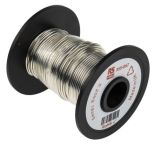
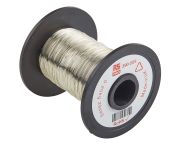
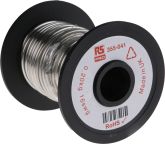
- Tinned Copper Wire: Copper wire coated with tin for enhanced corrosion resistance, making it suitable for outdoor or marine applications.
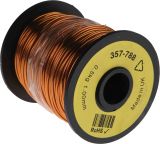
- Insulated Copper Wire: Covered with protective insulation such as PVC, XLPE, or other polymers to prevent short circuits and safety hazards; widely used in household and industrial wiring.
- Fine Copper Wire: Very fine strands used in electronics, telecommunications, and precision instruments where delicate and accurate connections are required.
- Heavy Duty Copper Wire: Built to carry high currents and heavy electrical loads, typically found in industrial motors and power distribution systems.
How to Choose the Right Copper Wire?
While choosing a copper wire, consider key factors like where the wire will be used, how much current it must carry, and the environmental conditions it will face to make an informed decision.
- Application Suitability: Match the wire type to your task, solid copper works well for fixed installations, while stranded copper is better where flexibility is needed.
- Wire Gauge: Choose the correct conductor size based on current capacity, voltage drop requirements, and installation standards such as AWG (American Wire Gauge) or metric cross-section (mm²).
- Insulation Type: Use insulated copper wire for safety in residential and general wiring, and uninsulated wire only where exposure isn’t a concern.
- Environmental Conditions: For outdoor, marine, or corrosive environments, tinned copper or specially insulated wire prolongs lifespan.
- Price Considerations: Compare copper wire prices in the Philippines against project requirements and budget constraints.
Features & Benefits
Copper wire offers several key advantages that make it a preferred choice for electrical projects across various applications.
- High Conductivity: Copper’s excellent electrical performance reduces energy loss and ensures efficient power transmission in both high- and low-voltage systems.
- Corrosion Resistance: Tinned copper and well-insulated copper wires resist environmental corrosion, extending service life in harsh conditions.
- Flexibility & Versatility: Options like thin copper wire suit fine electronic work, while heavier gauge copper supports industrial power needs, highlighting copper’s adaptability.
- Ease of Installation: Stranded copper wire is easy to bend and install, particularly in tight spaces and complex routing.
- Cost-Effective: Despite a higher upfront price than some alternatives, copper wire’s durability and low maintenance make it economical, especially for bulk installations.
Why Buy Copper Wire from RS Philippines?
When buying copper wire for your project, reliability and availability are just as important as price. At RS Philippines, you gain access to a wide selection of solid, stranded, insulated, and tinned copper wires available in multiple gauges and lengths, ensuring the right fit for every application.
In addition, all wires are manufactured using high-grade copper to deliver excellent conductivity and long-lasting durability. Moreover, transparent prices make budgeting easier, while bulk purchasing options help reduce overall project costs. You can also shop for other hardware and tools such as ball bearings, anchor bolts and more.
To keep your operations running smoothly, we also offer fast and dependable delivery, so you receive your materials exactly when you need them. For information related to delivery and charges, refer to our delivery page.
Popular Searches
Related links
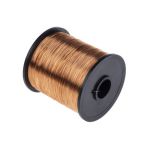
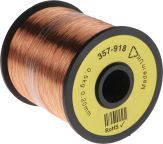
- RS PRO 0.5 mm OD Enamelled Copper Wire 0.2 mm² 286 m Reel
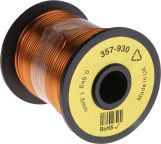
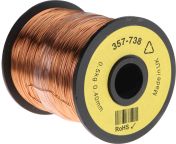
- RS PRO 1.59 mm OD Enamelled Copper Wire 1.5 mm 30 m Reel
- Understanding Wiring Color Codes for Electrical Safety
- Power Cable
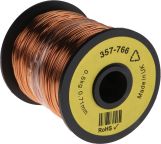
- Block 1.12 mm OD Enamelled Copper Wire 1.1 mm² 44 m Reel
- Kabeltronik Copper Wire
- Kabeltronik Copper Wire 0.5 mm² 100 m Reel
- Kabeltronik 0.8mm Copper Wire, 20 AWG 25m Reel