Audio Cable
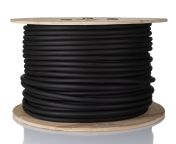
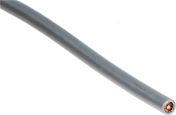
An audio cable is an essential component in any sound system, designed to transmit electrical signals between microphones, instruments, mixers, and amplifiers. These can be broadly categorized into signal-level connections, such as microphone wire and line-level patches, and power-level connections like high-current speaker wire. Selecting the right audio cord is critical for maintaining signal integrity and ensuring audio remains free from interference, hum, or unwanted noise.
What Is an Audio Cable?
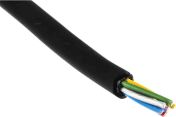
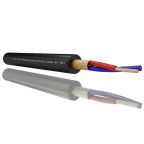
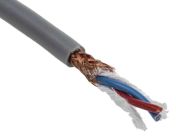
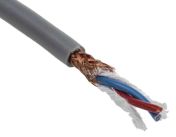
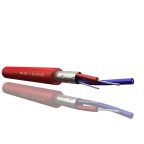
An audio cable is a specialized electrical conductor used to carry analog or digital signals from a source to a receiver within a sound reinforcement or recording environment. To preserve high-fidelity sound, its construction typically includes one or more copper conductors, insulation to prevent short circuits, and a braided or foil shield to reduce electromagnetic interference (EMI) and radio-frequency interference (RFI).
High-end professional audio cables may also include low-capacitance designs, oxygen-free copper (OFC) conductors, and twisted-pair arrangements to optimize signal clarity over longer runs.
Types of Audio Cables
Choosing the correct cable depends on the signal level and the distance the audio must travel.
- Balanced Mic/Line (XLR or TRS): This audio cable rejects noise over long runs by using two conductors plus a shield, making it the standard choice for professional mixers, audio interfaces, and studio recording.
- Unbalanced Line (RCA or 3.5 mm TRS): Often used for short consumer AV runs between media players, TVs, or soundbars; these cables should be kept at modest lengths to avoid hum.
- Instrument/Guitar (TS 1/4"): A high-impedance, unbalanced cable optimized for guitars and pedals where low capacitance is preferred to maintain high-frequency clarity.
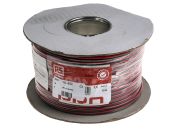
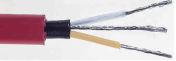
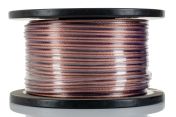
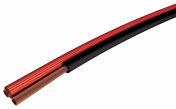
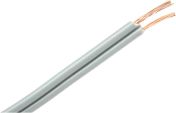
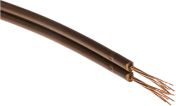
- Speaker Cable / Speaker Wire (2-core): Designed to carry high-current signals to passive speakers, you should choose a thicker (lower AWG) speaker cable for longer runs or higher-powered amplifiers.
- Patch/Insert Cables: These include TRS-to-dual TS (Y-cables) or TRS-to-TRS configurations specifically designed for signal routing in patch bays and studio racks.
Digital Audio Cables and Connectors
Digital audio cables transmit audio as a stream of binary data, requiring specific impedances to prevent signal reflections and data loss.
- S/PDIF Coax (RCA, 75 Ω): A S/PIF Coax audio cable provides a single-ended digital stereo transmission.
- Optical (TOSLINK): A fiber-optic version of S/PDIF that is completely immune to electrical interference, ideal for connecting modern TVs to AV receivers.
- AES/EBU (XLR, 110 Ω): The professional audio cord standard for digital audio over balanced twisted pairs, offering a robust connection for long-distance digital signal routing.
- USB Audio: Widely used audio cable for connecting modern interfaces and DACs. Ensure you use a certified and properly shielded cable to maintain data stability.
Applications of Audio Cables
An audio cable is used across a variety of professional and consumer environments to ensure clear signal transmission and reliable hardware performance.
- Home & Office AV: Connect consumer devices like TVs, PCs, and soundbars using an audio cord such as RCA, 3.5 mm, or optical TOSLINK for everyday media consumption.
- Studios & Content Creation: High-quality microphone wire (XLR) and balanced monitor feeds (TRS) are essential for noise-free recording and precise audio monitoring.
- Live Sound & Events: Large-scale setups require robust stage snakes, instrument cables, and heavy-duty speaker wire to connect passive stage monitors to power amplifiers.
- Installed Audio Systems: Commercial buildings utilize amplifiers and mixers connected to ceiling speakers via specialized speaker cable with plenum or LSZH jackets for fire safety compliance.
How to Choose the Right Audio Cable
Selecting the right audio cable is all about balancing signal requirements with the physical demands of your environment.
- Signal Type: Determine if you need analog or digital transmission first; ensure you use dedicated speaker wire for high-power signals rather than thin signal-level cables.
- Balanced vs Unbalanced: Opt for balanced connections (XLR/TRS) for long runs to reject interference, while keeping unbalanced links (RCA/TS) short to minimize hum.
- Connector Match: Carefully match the ports on your equipment to match the audio cable so as to avoid using signal-degrading adapters.
- Length & Gauge: To maintain signal integrity, keep cables as short as possible and select a thicker speaker wire (lower AWG) for long or high-power speaker runs.
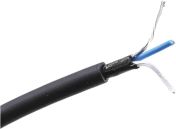
- Shielding & Noise: Look for braided or foil shielding on microphone wire and line cables, or "star-quad" configurations for maximum noise rejection in high-EMI areas.
- Flexibility & Jacket: Choose rugged, flexible PVC for portable stage use, or install-grade LSZH or plenum-rated jackets for permanent wiring inside building walls and ceilings.
- Digital Specifications: Ensure your digital audio cord meets specific impedance standards, such as 75 Ω for S/PDIF coax or 110 Ω for professional AES/EBU links.
Installation and Usage Tips for Audio Cables
Proper handling and routing of your audio cable can significantly extend its lifespan and improve sound quality.
- Avoid Hum: Route your audio cord away from AC power lines; if they must cross, ensure they intersect at a 90° angle to minimize electromagnetic hum.
- Maintain Twists: When terminating balanced cables, do not untwist the internal pairs more than necessary to preserve their natural noise-rejection properties.
- Strain Relief: Use proper connector boots and clamps to prevent tension on soldered joints, and never exceed the cable's minimum bend radius.
- Polarity & Pinout: Always verify that your XLR pins and speaker cable polarities are consistent across the system to avoid thin sound caused by phase cancellation.
- Test & Label: Use a continuity tester before final installation and label both ends of your audio cable for faster troubleshooting during events.
Why Buy Audio Cables from RS Philippines?
RS Philippines is the ideal place to buy audio cables and speaker wires at a great price for both industrial and creative applications. We carry an extensive inventory of audio cords, speaker and microphone wires from top brands like Van Damme, Belden, and Tasker. You can also find other types of AV cables such as DisplayPort cables, XLR cables, Aux cables, and many more.
Whether you are looking for the most competitive speaker wire price for a large-scale installation or specialized microphone wire for a studio, our localized stock ensures fast delivery across the region. For details on lead times and fees, please visit our delivery page.