Thermocouples
A thermocouple is a robust and cost-effective temperature sensor that generates a voltage signal based on the temperature difference between two different metals or alloys. It consists of two dissimilar metal wires joined together at one end, forming a junction. When this junction is exposed to a temperature gradient, it produces a small voltage (which is known as the measuring junction) that is proportional to the temperature difference.
This phenomenon is known as the Seebeck effect. It occurs because different metals have different electron configurations, resulting in varying electron densities and thermal conductivities. As a result, when the junction is exposed to a temperature difference, an electric current is induced due to the flow of electrons from the hotter metal to the colder metal.
The voltage produced by the thermocouple sensor can be read and measured by a voltmeter or a specialized temperature measurement device. By knowing the relationship between the temperature and the voltage output, typically described in a calibration table or equation specific to the type of thermocouple being used, the temperature at the measurement point can be determined.
At RS, we offer a wide selection of thermocouple products in the Philippines, including probes, wires, and connectors for industrial use.
What Are Thermocouples and How Do They Work?
Thermocouples are temperature sensors that work based on the Seebeck effect, where a voltage is generated when two different metals form a junction and are exposed to a temperature difference. The sensor has two key points: a measuring junction, which senses the temperature of the environment, and a reference junction, maintained at a known temperature.
The temperature difference between these junctions creates a small voltage, which has a direct relationship with the temperature difference. This voltage is detected and interpreted by a measurement device, which calculates the actual temperature. Thermocouple sensors are widely used due to their reliability, ruggedness, wide temperature range, and fast response times.
Types of Thermocouple Sensors
Thermocouples come in multiple standardized types, each identified by a letter (such as K, J, and T), which signifies their metal composition, temperature range, and robustness:
- K-Type Thermocouple: K-type thermocouples are the most commonly used thermocouple probes, made from chromel (Nickel-Chromium alloy) and alumel (Nickel-Aluminium alloy). They offer a wide temperature range and are known for their durability, stability, and versatility in industrial and scientific applications.
- J-Type Thermocouple: J-type thermocouples consist of iron and copper-nickel alloy. They are a cost-effective option for general-purpose use, especially in low to mid-temperature environments. However, they oxidise easily at higher temperatures and are best suited for inert or reducing atmospheres.
- T-Type Thermocouple: T-type thermocouples, made of copper and constantan (copper-nickel alloy), are ideal for low-temperature or cryogenic applications. They offer excellent accuracy and are often used in laboratories and refrigeration systems.
- Other Types: Additional thermocouples like Type L, N, and E exist to cover specific environments or temperature ranges. For extremely high temperatures, specialized thermocouples with mineral-insulated sheaths offer enhanced protection against thermal shock, oxidation, and mechanical stress, suitable for kilns, furnaces, engines, and metal processing plants.
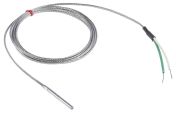
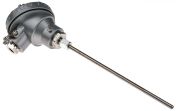
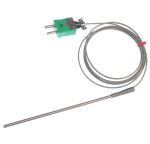
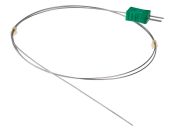
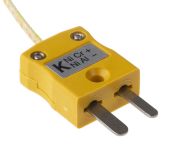
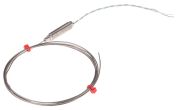
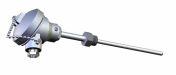
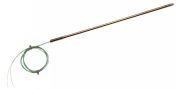
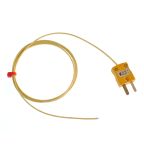
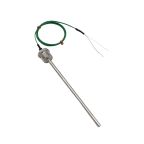
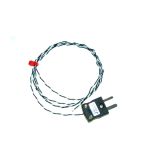
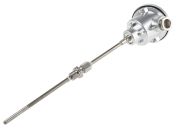
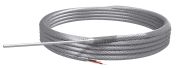
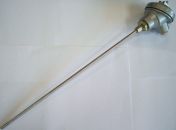
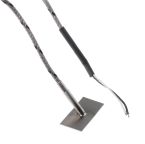
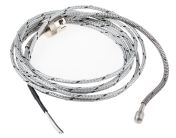
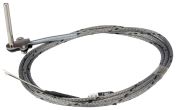
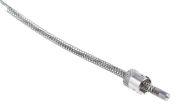
Thermocouples are also available in various form factors such as temperature probe assemblies with protective sheaths for harsh environments, mineral insulated probes for mechanical robustness, or simple bare wires for embedded applications where flexibility is needed.
Where Are Thermocouples Used Across Industries?
Thermocouple sensors are widely used in many applications, both domestic and industrial. Some examples include:
- Discrete Manufacturing: In sectors like automotive and machinery, thermocouple sensors are used to monitor and regulate temperatures in industrial ovens and CNC equipment. Their durability and precision make them essential for quality control in high-temperature environments.
- Process Manufacturing: Thermocouple probes are commonly installed in brewing tanks to ensure consistent fermentation temperatures and in pharmaceutical sterilisation chambers to validate hygiene standards, offering accuracy and compliance with safety regulations.
- Energy & Utilities: Within energy plants and substations, high-temperature thermocouples monitor critical systems such as boiler operations and transformer temperatures, helping maintain efficiency and prevent failures in high-demand scenarios.
- Facilities & Intralogistics: In commercial buildings and logistics centres, thermocouples are used in HVAC systems for climate control and lab sensors for precision monitoring, offering reliable performance in moisture- or vibration-prone environments.
How to Choose the Right Thermocouple Sensor
Choosing the right thermocouple sensor depends on your application’s temperature range, environment, and required response time. Here’s what to consider:
- Thermocouple Type (K, J, T, etc.): Different thermocouple types offer varying temperature ranges and material compatibility. For example, Type K is popular for general use due to its wide range and durability, while Type J suits lower temperature industrial applications.
- Probe vs. Bare Wire: Use probe-style thermocouples for surface or immersion applications where protection is needed. Bare wire thermocouples are ideal for confined spaces or experimental setups with minimal mechanical stress.
- Response Time and Insulation: Thinner probes offer faster response times. Consider insulation types (fiberglass, PTFE, etc.) depending on temperature and electrical safety requirements.
- Environmental Conditions: In harsh settings with corrosion, vibration, or moisture, choose a thermocouple with rugged, sealed construction and appropriate sheath material like stainless steel or Inconel.
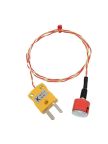
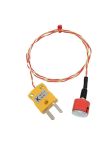
- Device Compatibility: Ensure your sensor is compatible with your thermocouple meter, temperature controller, or data logger, matching input type and connector standard (e.g., mini plug, spade).
Why Buy Thermocouples from RS Philippines?
If you’re looking to buy reliable thermocouples in the Philippines, RS offers a trusted and convenient solution. As a leading thermocouple supplier, we provide a broad range of high-quality products from reputable brands like Electrotherm, Prosensor, and Jumo, ensuring you get accurate and durable temperature sensors for any application.
Whether you need standard thermocouple sensors, photo sensors, or light sensors, our catalogue supports various industry requirements. Plus, with fast delivery options, excellent customer support, and competitive prices in the Philippines, RS makes the buying process smooth and dependable from start to finish. For detailed information regarding delivery, refer to our delivery page.