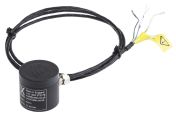
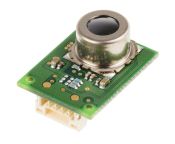
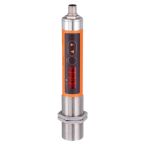
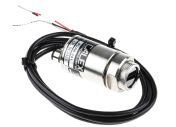
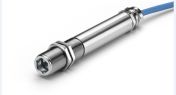
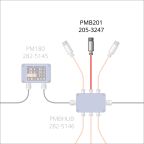
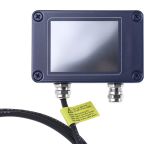
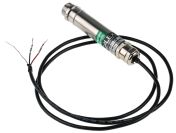
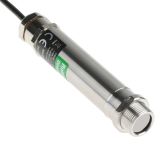
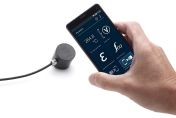
Infrared Temperature Sensors
Infrared (IR) temperature sensors are non-contact heat sensors that detect thermal radiation emitted from objects. These devices provide accurate temperature measurements without physical contact, crucial for industrial monitoring and safety. An IR temperature sensor is widely used in industrial, medical, and automation applications, offering accurate readings and contributing to efficient operations in the Philippines.
What Are Infrared Temperature Sensors?
An infrared temperature sensor, often referred to as an IR sensor, is a thermal detection tool that operates by sensing the infrared radiation naturally emitted by all objects above absolute zero. The science behind this involves the sensor's lens focusing this thermal energy onto a specialized detector, which then converts the incoming radiation into a measurable electrical signal. This signal is subsequently processed by the device to provide a readable temperature value.
As a non-contact infrared temperature sensor, it is commonly used for various tasks, such as heat detection, obstacle sensing, and comprehensive thermal analysis, in diverse settings. Whether used for fixed, continuous monitoring or portable assessments, an industrial infrared sensor is particularly valuable in sectors such as electronics manufacturing, machinery diagnostics, and medical devices, where non-contact temperature assessment is crucial for safety and efficiency.
How Infrared Temperature Sensors Work
An IR sensor operates by detecting infrared radiation naturally emitted by objects, without making physical contact. The detection process begins when IR energy from a target surface passes through the sensor's optics (a lens), which focuses this radiation onto a specialized sensing element, such as a thermopile or pyroelectric element. This element converts the received thermal energy into a proportional electrical signal.
For accurate readings, the infrared temperature sensor often includes compensation circuits to account for ambient temperature variations and reflective losses from the target, ensuring a true heat temperature sensor measurement. Key performance factors include the sensor's field of view (the area it measures), its response time (how quickly it detects temperature changes), and its overall temperature range.
Benefits of Infrared Temperature Sensors
- Non-Contact Measurement: It’s a safe and hygienic way to measure temperature, particularly valuable in medical and food industries or when dealing with hazardous substances or moving parts. IR sensors get accurate readings without touching.
- Fast Response: These thermal sensors provide instantaneous temperature readings. This enables real-time process control and rapid troubleshooting of overheating or cooling issues, ensuring quick adjustments.
- Wide Application Range: Infrared sensors are versatile, suitable for diverse materials and environments, including inaccessible or dangerous areas where traditional contact temperature measurement isn't feasible.
- Reduced Downtime & Maintenance Costs: Early detection of overheating or faults using an IR sensor helps prevent costly breakdowns and unscheduled maintenance. Proactive monitoring extends equipment lifespan.
- Improved Safety: Using infrared sensors minimizes human exposure to high temperatures, moving machinery, or contaminated surfaces. It’s a safer way to get crucial heat data.
- Enhances Process Automation: Thermal sensors readily integrate with control systems for automated feedback and alerts. This allows for continuous monitoring and precise adjustments in automated processes without manual intervention.
Types of Infrared Temperature Sensors
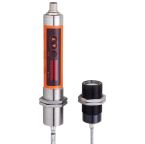
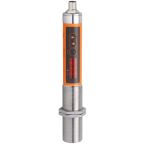
Infrared temperature sensors are available in various designs, such as:
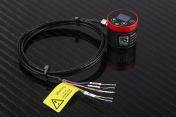
- Fixed-Mount IR Sensors: These infrared temperature sensors are designed for permanent installation on industrial equipment or conveyor systems. They provide continuous, non-contact temperature monitoring, crucial for process control and safety in automated environments.
- Portable IR Thermometers: Common in medical, HVAC, and food safety fields, these handheld devices offer quick, on-the-spot temperature readings. A portable infrared temperature sensor is invaluable for troubleshooting, inspection, and ensuring compliance in diverse settings across the Philippines.
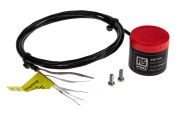
- 2-Wire and 4-Wire IR Sensors: These configurations refer to how the IR thermal sensor is integrated into control systems. 2-wire sensors typically provide a current output proportional to temperature, whereas 4-wire sensors offer separate power and output lines, enabling more advanced control and diagnostics when integrated into programmable logic controllers.
- Adjustable Emissivity Sensors: Designed for challenging surfaces, these sensors enable users to adjust the emissivity setting, ensuring accurate temperature readings on reflective or shiny materials, such as polished metals.
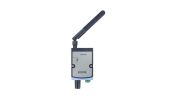
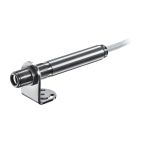
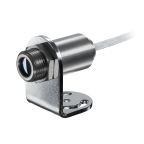
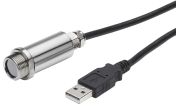
- Compact Infrared Sensors: These miniaturized infrared sensor devices are perfect for tight spaces or mobile applications where size and weight are critical factors, offering versatile temperature measurement without bulk.
Measuring Different Surface Materials
The accuracy of an infrared temperature sensor is significantly influenced by the emissivity of the target surface. Emissivity refers to a material's ability to emit thermal radiation, and it's a crucial factor for obtaining precise readings.
For instance, non-metal surfaces, such as painted surfaces, paper, thick plastics, food, water, asphalt, rubber, and wood, generally possess high emissivity. This characteristic makes them relatively easy to measure using general-purpose infrared sensor models with a fixed emissivity setting.
However, challenges arise with materials like polished metals or shiny surfaces, which have low emissivity. These surfaces reflect more ambient infrared radiation, potentially leading to inaccurate temperature readings.
For such materials, an IR sensor with an adjustable emissivity setting is ideal. This feature allows users to fine-tune the sensor to match the specific emissivity of the target, ensuring highly accurate heat temperature sensor measurements even on partially reflective materials.
Where Infrared Sensors Are Used Across Industries
Infrared sensor technology is vital across numerous industries in the Philippines, enabling non-contact temperature measurement and thermal monitoring for enhanced safety, efficiency, and quality control.
Discrete Manufacturing
In discrete manufacturing, an IR sensor is critical for thermal monitoring of industrial rotating motors, bearings, and other machinery surfaces. This non-contact heat sensor helps detect overheating issues early in automotive and electronics production, preventing costly breakdowns and ensuring product quality.
Process Manufacturing
Process manufacturing industries, such as food, pharmaceuticals, and chemicals, heavily rely on infrared sensors for contactless monitoring. They enable precise temperature control of cooked food, liquids in tanks, or batch reactors, ensuring product consistency and safety without direct contact.
Energy and Utilities
In the energy and utilities sector, particularly for oil and gas, infrared sensors are also crucial. An infrared sensor can detect leaks in pipelines by identifying subtle heat variations caused by escaping fluids, providing early warning for potential hazards and environmental protection.
Facilities and Intralogistics
Facilities and intralogistics applications, including warehouses, hospitals, and educational institutions, utilize infrared sensors for various purposes. This includes entry-point human body screening via IR thermometers, ensuring health safety, and general heat sensor applications for environmental control and monitoring.
Choosing the Right Infrared Temperature Sensor
When selecting an IR temperature sensor, consider the following factors to ensure suitability for your application:
- Temperature Range: Confirm the IR sensor supports the minimum and maximum temperatures expected. An inadequate range will yield unreliable readings or fail to measure extreme heat accurately, compromising data integrity.
- Field of View (FOV): Ensure the infrared sensor’s measurement spot size matches the object size at the working distance. Correct FOV allows accurate temperature readings of the target without interference from surrounding areas, providing precise data.
- Emissivity Settings: Adjustable emissivity is recommended for reflective or mixed-material surfaces. Accurately setting emissivity ensures precise thermal temperature measurement, as different materials emit infrared energy distinctly.
- Response Time: A quick response from your IR sensor enables real-time temperature monitoring and immediate control adjustments for rapidly changing heat conditions.
- Output Type: The output type determines how the infrared sensor communicates temperature data to control systems or data loggers for effective automation. Choose between analog outputs (current, voltage) or digital outputs with communication capabilities depending on integration needs.
- Environmental Conditions: Consider enclosure rating (e.g., IP rating), temperature tolerance, and resistance to dust or moisture. A suitable IR sensor enclosure ensures durability and reliable performance in harsh heat or challenging environments.
- Calibration and Support: Check for calibration services, warranties, and technical support availability locally.
Why Buy Infrared Sensors from RS Philippines
When you need infrared temperature sensors, RS Philippines is your trusted source. We offer a comprehensive range of high-quality infrared sensors from trusted brands like Calex, Schneider Electric, and Optris, ensuring you find the ideal IR sensor for your industrial, laboratory, or consumer applications.
We also understand the importance of finding the right infrared temperature sensor at a reasonable price, which is why we strive to offer competitive rates across our entire inventory. Additionally, we offer a range of other sensor types, including float switches and level sensors.
Beyond our diverse product selection, RS Philippines offers reliable and fast shipping across the country. For more information on delivery services and fees, please visit our Delivery page.
Choose RS Philippines for its competitive advantages, product reliability, and dedicated local support to meet all your infrared sensing needs.