Contactor Overload Relays
All electric motors have a finite lifespan, and protecting them is essential to ensure efficient, safe, and reliable operation. One of the main causes of motor failure is electrical overload, sometimes called overcurrent. When a motor draws more current than its rated capacity, it generates excess heat, causing temperature buildup that damages motor windings and coils. To prevent such damage, contactor overload relays are used as critical protective devices.
Contactor overload relay continuously monitors the motor's current draw to ensure it remains within safe limits. If it exceeds a safe limit, the relay will trip, cutting power to the motor and preventing costly damage. Typically used in conjunction with contactors, these relays form the core of a robust motor starter system widely used in industrial and commercial applications.
Types of Contactor Overload Relays
Contactor overload relays come in various types and are available for both 3-phase and single-phase motors. The main types include:
Thermal Overload Relays
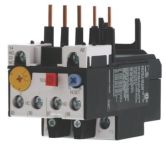
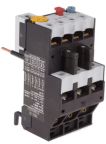
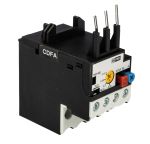
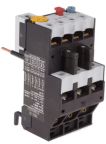
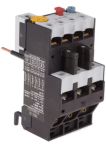
Thermal overload relay utilizes a bi-metallic strip located near a heating element. When excessive current flows, the heating element warms the bi-metallic strip, causing it to bend and trigger normally closed (N/C) contacts to open. This action interrupts power from flowing to the contactor's control circuit. Thermal relays usually offer an adjustable current setting as well as a manual or automatic reset option. They are reliable and cost-effective but can be influenced by ambient temperature variations and have slower response times compared to electronic types.
Electronic Overload Relays
Electronic overload relays replace the bi-metallic mechanism with electronic sensors and microprocessors to measure motor current more precisely. They often include temperature sensors or current transformers and provide adjustable trip settings, wider current ranges, and selectable trip classes for tailored protection. Electronic relays can detect conditions such as phase loss (single phasing) and unbalanced currents, offering enhanced motor protection. They also provide features like communication interfaces and remote monitoring, making them suitable for complex or critical applications.
Magnetic Overload Relays
Magnetic overload relays are engineered to detect and respond to sudden, extreme overcurrents that the thermal element alone may not detect. They operate using a coil that generates a magnetic field, which then rapidly attracts an armature mechanism. This immediate action causes the relay to open, swiftly opening and disconnecting the circuit and protecting the motor from severe electrical faults. Magnetic relays are often integrated with thermal relays to provide both long-term overload and short-circuit protection.
Why Use Contactor Overload Relays
Integrating overload relays into your motor control systems offers crucial advantages for both protection and operational reliability. When you buy overload relay solutions, you're investing in:
- Preventing Motor Overheating and Damage: Designed to continuously monitor the current drawn by a motor. They automatically trip and disconnect the motor if it exceeds safe limits, effectively preventing overheating that can lead to costly winding and coil damage.
- Enhancing Lifespan and Efficiency: By protecting motors from sustained overcurrents, these overload relays significantly extend their operational lifespan and help maintain the motor's efficiency over time.
- Versatile Protection Features: Safeguard against complex issues like phase failure or unbalanced currents, which can also cause significant motor damage.
- Flexible Functionality and Control: Optional features often include auxiliary contact configurations, which provide signals for remote monitoring or control. Additionally, adjustable reset modes (manual or automatic) and trip classes enable fine-tuning the relay's response to specific motor characteristics and application requirements.
Where Contactor Overload Relays Are Used Across Industries
Contactor overload relays are vital for motor protection across numerous sectors in the Philippines, safeguarding equipment and ensuring operational continuity:
Discrete Manufacturing
These relays are indispensable for protecting motors on conveyor belts, automated assembly lines, and other essential machinery. They prevent damage from overcurrents, ensuring smooth and uninterrupted production.
Process Manufacturing
For process manufacturing, particularly in demanding environments like chemical plants, overload relays are critical for pumps, mixers, and other process equipment. They ensure reliable motor protection, preventing failures that could disrupt continuous production or create hazardous conditions.
Energy and Utilities
You'll find these overload relays safeguarding motors in HVAC systems, industrial fans, power distribution panels, and other essential equipment. They ensure the continuous and efficient operation of critical infrastructure by protecting against electrical overloads.
Facilities and Intralogistics
Contactor overload relays play a crucial role in protecting motors in moving systems like elevators and escalators. They ensure the safe and reliable operation of these vital transportation units by preventing motor damage from overcurrents.
How to Choose the Right Overload Relay
To ensure you pick the ideal overload relay within your price range and application, consider these vital factors:
- Current Rating and Voltage Class: Always match the relay's current rating to your motor's full-load current (FLC) to ensure accurate protection. The relay's voltage class must also align with your system's operational voltage for safe integration.
- Type of Overload Relay: Choose between thermal, magnetic, or electronic types based on your application and how adjustable they are. Thermal relays are reliable but less effective with temperature changes, while magnetic types suit fast-response needs for vital equipment, and electronic versions provide high accuracy for complex uses but can be pricier.
- Phase Configuration: Determine if your motor is single-phase or 3-phase, as overload relays are designed for specific configurations. Correctly matching the phase setup prevents nuisance tripping or insufficient protection.
- Trip Class: This defines how quickly the relay will trip under overload conditions. Selecting the correct class ensures appropriate response times for your application. Its common classes include 10, 20, and 30.
- Manual vs. Auto Reset: Decide whether manual intervention is required after a trip or if the relay can reset automatically. Choose auto-reset for anticipated minor overloads, or manual-reset for situations demanding careful evaluation before restarting.
- Contactor Size: Ensure the overload relay matches your contactor to guarantee seamless integration and reliable operation within your existing system.
- Mounting Options: Verify that the mounting option, such as direct mount, separate base mount, fits your control panel's layout.
Why Buy Contactor Overload Relays from RS Philippines
When you buy overload relays from RS Philippines, you're choosing a trusted source with deep industry expertise and an extensive product range. Browse our extensive range of high-quality contactor overload relays from leading industry brands, including Schneider Electric, Siemens, Eaton, Lovato, and our RS PRO line.
Whether you're an engineer, technician, or procurement professional, RS Philippines is your reliable partner for sourcing overload relays and other equipment for industrial applications, such as electromechanical relays, in the Philippines.
We ensure reliable delivery nationwide, minimizing downtime and keeping your operations running smoothly. For more information about our delivery options and fees, refer to our Delivery page.

Popular Searches
Related links
- Schneider Electric LRD Thermal Overload Relay TeSys
- ABB Thermal Overload Relay 1NC/1NO 16 A Contact Rating 3P, Thermal Overload Relays
- ABB Thermal Overload Relay 1 NC 3, TA200DU
- Siemens SIRIUS 3RU2 Thermal Overload Relay 1NC/1NO 3 A Contact Rating 3P, SIRIUS
- Schneider Electric Thermal Overload Relay 5 A Contact Rating TeSys
- Siemens SIRIUS 3RU2 Thermal Overload Relay 3 A Contact Rating SIRIUS
- Schneider Electric LRD Thermal Overload Relay TeSys
- ABB Thermal Overload Relay 1NC/1NO 410 mA Contact Rating 3P, Thermal Overload